Inbound-don (インバウン丼 - Super-Premium Seafood Bowls, Inbound Tourism Demand, Weak Yen Pricing, and Social Media Impact)
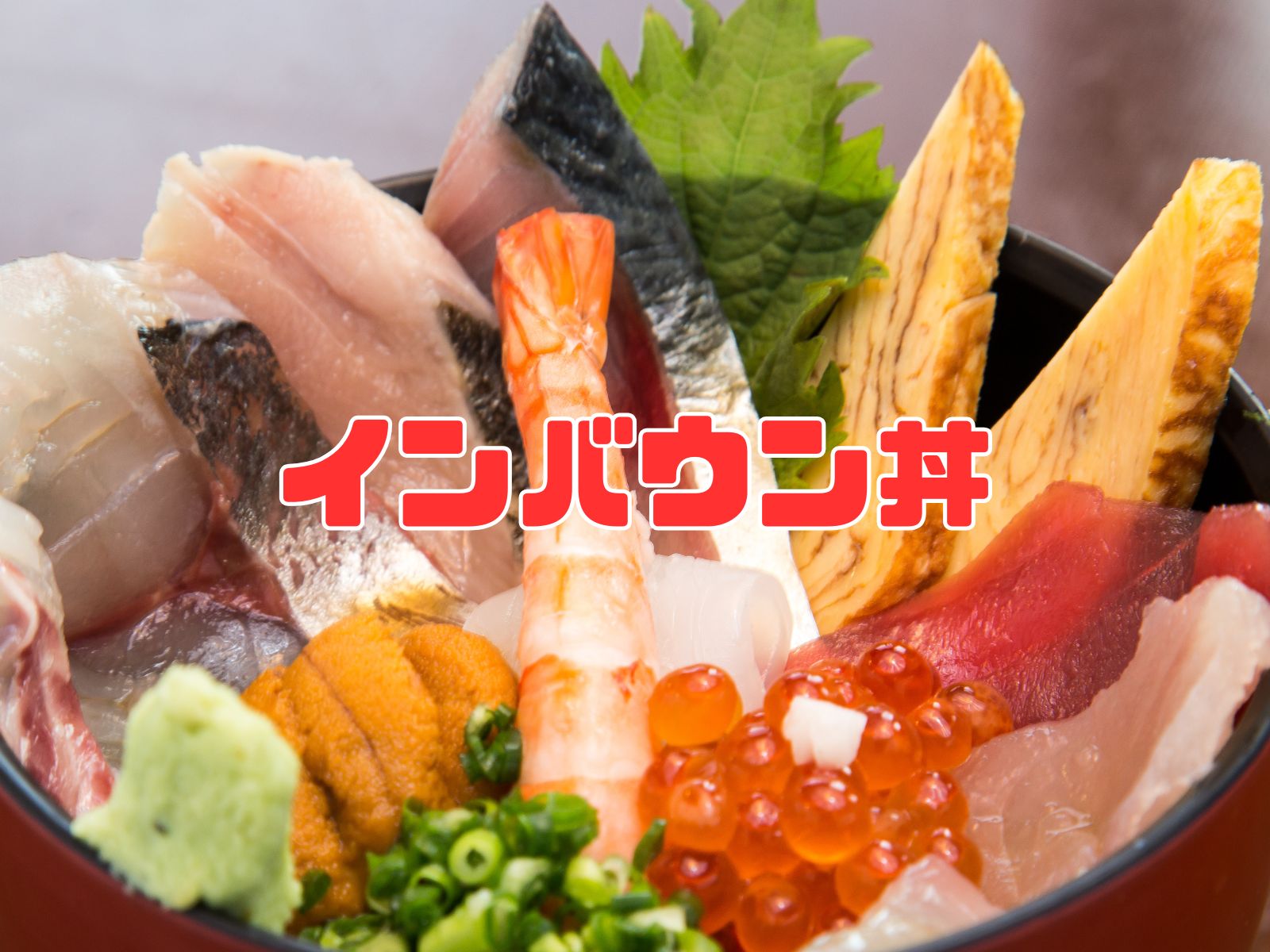
"Inbound-don" (インバウン丼 - Inbaun-don) is a modern Japanese portmanteau referring to luxurious, highly photogenic rice bowls—mostly seafood-based—specifically designed to target international tourists (inbound travelers).
These bowls typically feature premium ingredients such as sea urchin (uni), salmon roe (ikura), crab (kani), and bluefin tuna (maguro) piled in extravagant quantities, and are offered at price points significantly higher than domestic market standards.
While widely popular, their high pricing and showy presentations have also sparked a degree of criticism and debate.
Key Characteristics of "Inbound-don"
- Use of Super-Premium Ingredients:
An abundance of luxurious delicacies, including sea urchin, salmon roe, crab, and fatty tuna. - Extravagant Presentation:
A strong emphasis on visual impact, with seafood piled so high that it literally overflows the bowl. - Premium Pricing Structure:
Prices are exceptionally high, with some bowls costing anywhere from several thousand to tens of thousands of yen. - Designed for Social Media:
Visually structured to attract attention, encourage photography, and drive viral sharing on platforms like Instagram and TikTok. - Targeted at International Tourists:
Exclusively designed and marketed to capture the high spending power of inbound travelers.
Socio-Economic Factors Behind the Trend
- Surging Inbound Tourism Demand:
A massive post-pandemic increase in international tourists to Japan, prompting restaurants to actively tap into high-value tourist consumption. - The Impact of a Weak Yen:
A historically depreciated yen makes Japanese prices feel exceptionally cheap to foreign visitors, dramatically driving demand for high-end dining experiences. - The Power of Social Media:
The visually stunning bowls are perfect for social media sharing, resulting in massive organic word-of-mouth promotion. - Delivering an Extraordinary Experience:
Providing tourists with a memorable, once-in-a-lifetime "Japan dining experience" that justifies premium pricing. - Strategic Shifts in Traditional Markets:
Wholesalers and vendors in famous markets like Tsukiji and Toyosu shifting their focus from budget-conscious local residents to active-spending international visitors.
Contrasting Perspectives and Critiques
Public reception of "Inbound-don" is highly divided, generating mixed opinions:
-
Positive Arguments
- It offers an excellent gateway for international tourists to enjoy high-quality Japanese seafood culture.
- The extravagant meal becomes a highly memorable highlight of their travel.
- It serves as an exceptionally lucrative business strategy to capture inbound tourist dollars.
- It injects substantial economic vitality into historic markets and local businesses.
-
Negative Criticisms
- The prices are often deemed ridiculously high, leading to debates over actual value versus cost.
- Exclusively catering to high-spending tourists can make local residents feel ignored or priced out.
- Over-the-top presentations and massive portions risk distorting the traditional refinement and delicate flavors of Japanese cuisine.
- It could lead to excessive consumption of premium marine resources, raising sustainability concerns.
Common Examples of the Term in Usage
-
"This seafood bowl looks incredible, but look at the price! It's over 10,000 yen... Must be an Inbound-don!"
Expressing surprise at the high price of a visually stunning seafood bowl and identifying it with the buzzword. -
"Lately, you see so many Inbound-don menus popping up all over the outer Tsukiji market."
Observing the proliferation of premium tourist-targeted menus in historical market districts. -
"They say Inbound-don is incredibly popular among travelers because it is so Instagrammable."
Explaining that the visual appeal of these overflowing bowls is the primary driver of their popularity on social media. -
"Some internet reviews claim that certain shops are ripping tourists off with overpriced Inbound-don."
Discussing rumors and warnings about vendors charging exorbitant markups for tourist-oriented meals. -
"I hope these flashily presented Inbound-don don't lead tourists to misunderstand authentic Japanese food culture."
Expressing concern that the trend might give a skewed impression of traditional, balanced culinary aesthetics. -
"Apparently, some international foodies travel to Tokyo specifically targeting these legendary Inbound-don."
Highlighting that eating these giant seafood bowls has become a primary bucket-list travel goal for some visitors.
Summary
"Inbound-don" is a highly popular, modern buzzword describing ultra-premium, visually dramatic seafood bowls targeted primarily at international visitors.
While serving as a lucrative business opportunity amid historic tourism growth and a weak yen, it continues to spark fascinating cultural debates regarding pricing, authenticity, and local culinary values.
We hope this comprehensive guide helps you understand the modern economics and social trends surrounding Japan's dining scene!
About "Inbound-don (インバウン丼 - Super-Premium Seafood Bowls, Inbound Tourism Demand, Weak Yen Pricing, and Social Media Impact)"
This page provides the English definition and usage guide for the professional term "Inbound-don (インバウン丼 - Super-Premium Seafood Bowls, Inbound Tourism Demand, Weak Yen Pricing, and Social Media Impact)." If you have any suggestions, feedback, or corrections regarding our terminology articles, please feel free to reach out via our contact form.