Wolf Moon (ウルフムーン - January Full Moon Origins, Native American Lore, Spiritual Meanings, and Astrological Observation Guide)
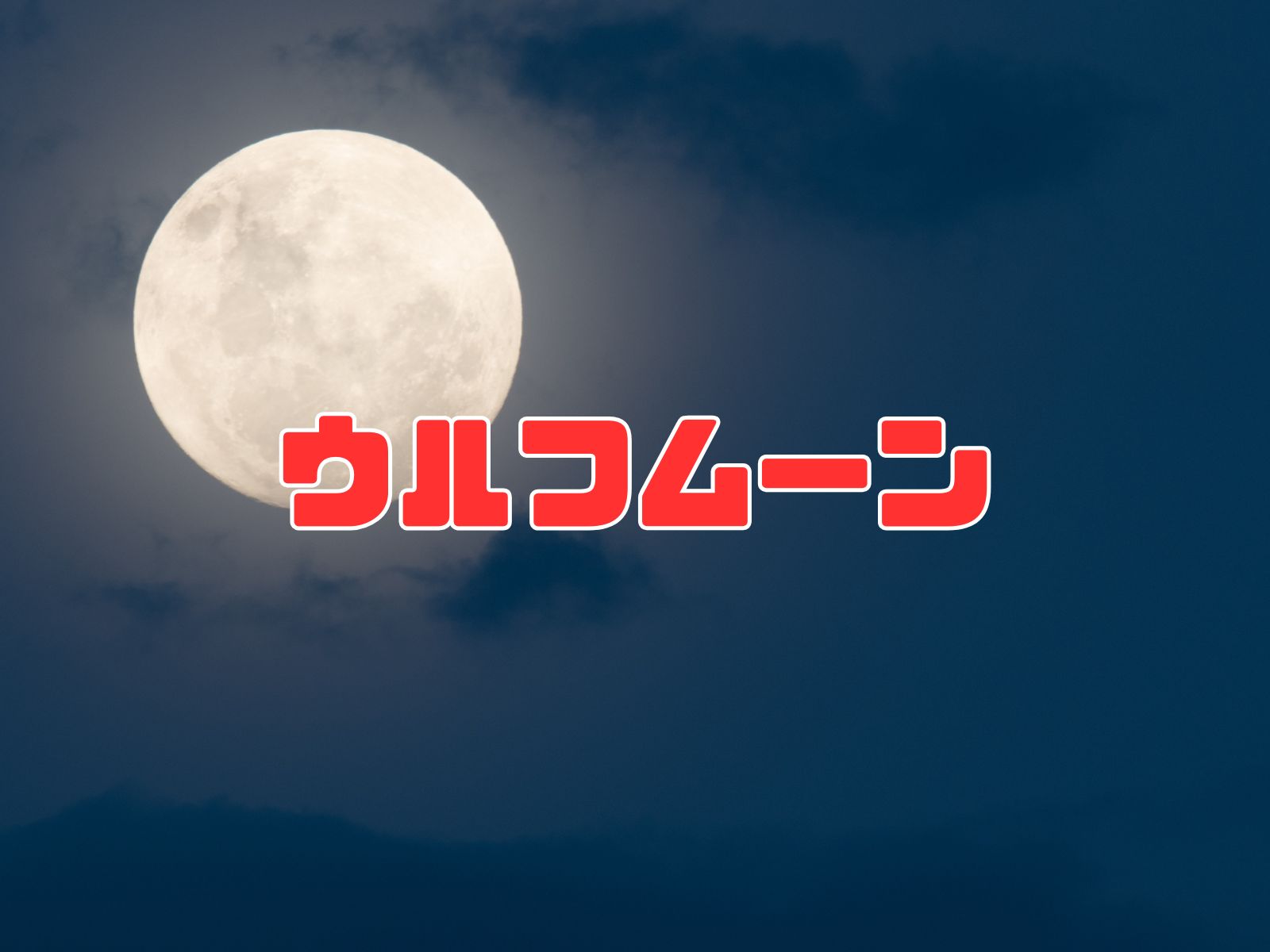
The term "Wolf Moon" (ウルフムーン) refers specifically to the full moon that is observed during the month of January.
Each of the twelve monthly full moons has been given a unique, culturally rich name, and the Wolf Moon serves as the symbolic opening name of the calendar year.
Etymological Origins
The naming origin of the "Wolf Moon" is deeply rooted in the traditional lore of Native American tribes. During the freezing depths of winter, particularly in January, food resources became highly scarce, driving hungry wolves to howl desperately near native settlements in search of prey. This prominent natural phenomenon led tribes to name the January full moon accordingly. Another widely supported theory suggests that because mid-winter marks the natural breeding season for wolves, their acoustic activity and vocal communication peaked dramatically during this phase.
Linguistic records indicate that similar seasonal naming conventions were also actively utilized in medieval European folklore.
Alternative Seasonal Names for the January Moon
In addition to "Wolf Moon," different tribes and cultures recorded various descriptive names for this winter lunation:
- Old Moon (古月): Highlighting the passing of the winter cycle.
- Ice Moon (氷月): Directly referencing the frozen landscapes.
- Bear Moon: Used by tribes observing bear hibernation behaviors.
- Hunting Bear Moon: Denoting the optimal mid-winter hunting window.
- Goose Moon: Reflecting local bird migratory patterns.
- Katayuki-zuki (堅雪月 - Hard Snow Moon): A traditional Japanese seasonal description referring to snow that melts slightly under daytime sun and refreezes into a hard crust during the icy night.
- Sap Moon (樹液月): A botanical reference to the early movement of sap inside maple trees.
Cultural Background of the Wolf Moon
The widespread adoption of the term "Wolf Moon" originates primarily from the cultural practices of Native American tribes in North America.
Living in profound harmony with their natural surroundings, these indigenous groups utilized the monthly cycles of the moon as a natural calendar to govern their agricultural schedules, hunting expeditions, and community rituals.
- Severe Winter Environments and Wolf Howls:
January represents the coldest and most physically demanding month of the year, where survival resources are at their lowest.
Consequently, the presence of hungry wolf packs howling in the night was a stark, evocative reality for tribal communities.
The vocal howling was further amplified by the animals' biological mating season, creating a powerful cultural association that forever linked the January moon with the wolf. - Tribal and Regional Variations:
Because different native groups possessed distinct languages, geographies, and lifestyle patterns, they maintained unique names for each lunation.
For instance, northern tribes focused heavily on environmental conditions, utilizing terms like "Old Moon" or "Ice Moon" to respect the harsh cold, while other hunting-centric groups favored animal-oriented identifiers.
Spiritual Significance of the Wolf Moon
- Awakening the Inner Wildness:
The wolf is a universal archetype of raw nature, representing primal power, absolute freedom, and sharp instinct.
The Wolf Moon is believed to stimulate our subconscious mind, prompting us to awaken our "inner wildness," trust our natural intuition, and reclaim our authentic personal power. - Goal Actualization and Authentic Expression:
Astrologically, this full moon is associated with establishing clear boundaries, executing personal leadership, and driving self-expression.
It serves as a prime seasonal window to review long-term goals, eliminate self-doubt, and confidently launch ambitious new ventures. - Purification and Conscious Release:
Like all full moons, the Wolf Moon represents a climax of emotional energy, making it an ideal time to perform purification rituals and let go of negative habits.
Leveraging this intense winter energy allows individuals to consciously release past traumas and negative emotional blockages, clearing the path for a fresh spiritual start.
Astronomical Observation Guide for the Wolf Moon
- Observation Schedule:
To witness the peak of the Wolf Moon, aim for the following dates and precise UTC/JST alignment:
2025: January 14 (Tue) at 4:27 AM JST
2026: January 3 (Sat) at 7:02 PM JST
2027: January 23 (Sat) at 1:18 PM JST
2028: January 12 (Wed) at 6:03 PM JST
2029: January 1 (Mon) at 8:54 AM JST
2030: January 21 (Mon) at 3:53 PM JST - Ideal Timing:
The full moon remains highly visible across the entire night sky, rising in the east at sunset and setting in the west at sunrise.
Checking local moonrise schedules and sky angles beforehand ensures optimal viewing. - Selecting the Perfect Location:
Choose an open area away from tall city structures and excessive urban light pollution.
The crisper and colder the night air, the more beautifully luminous and detailed the moon will appear. - Weather Considerations:
Monitor local meteorological forecasts closely and seek out cloudless viewing locations. - Using Binoculars or Telescopes:
Utilizing standard binoculars or home astronomical telescopes will dramatically reveal the intricate crater networks and geological details of the lunar surface. - Harsh Weather Preparation:
Because January temperatures are exceptionally low, dressing in robust, insulated cold-weather layers is absolutely mandatory for outdoor observation.
Mythological and Literary Connections
Throughout global history, diverse cultures have recorded powerful myths linking the moon and the wolf. In Roman mythology, the legendary twins Romulus and Remus, who went on to construct the ancient city of Rome, were famously nurtured and protected by a maternal she-wolf. Similarly, countless European folklore tales and werewolf legends depict the wolf as a highly mystical creature intimately bound to the phases of the full moon.
The Traditional Twelve Monthly Full Moon Names:
- January: Wolf Moon (ウルフムーン)
- February: Snow Moon (スノームーン)
- March: Worm Moon (ワームムーン)
- April: Pink Moon (ピンクムーン)
- May: Flower Moon (フラワームーン)
- June: Strawberry Moon (ストロベリームーン)
- July: Buck Moon (バックムーン)
- August: Sturgeon Moon (スタージョンムーン)
- September: Harvest Moon (ハーベストムーン)
- October: Hunter's Moon (ハンターズムーン)
- November: Beaver Moon (ビーバームーン)
- December: Cold Moon (コールドムーン)
About "Wolf Moon (ウルフムーン - January Full Moon Origins, Native American Lore, Spiritual Meanings, and Astrological Observation Guide)"
This page provides the English definition and usage guide for the professional term "Wolf Moon (ウルフムーン - January Full Moon Origins, Native American Lore, Spiritual Meanings, and Astrological Observation Guide)." If you have any suggestions, feedback, or corrections regarding our terminology articles, please feel free to reach out via our contact form.