"A" (The Primacy of Hiragana, Etymological Roots in An, and Jungian Psychoanalytic/Marketing Interpretations)
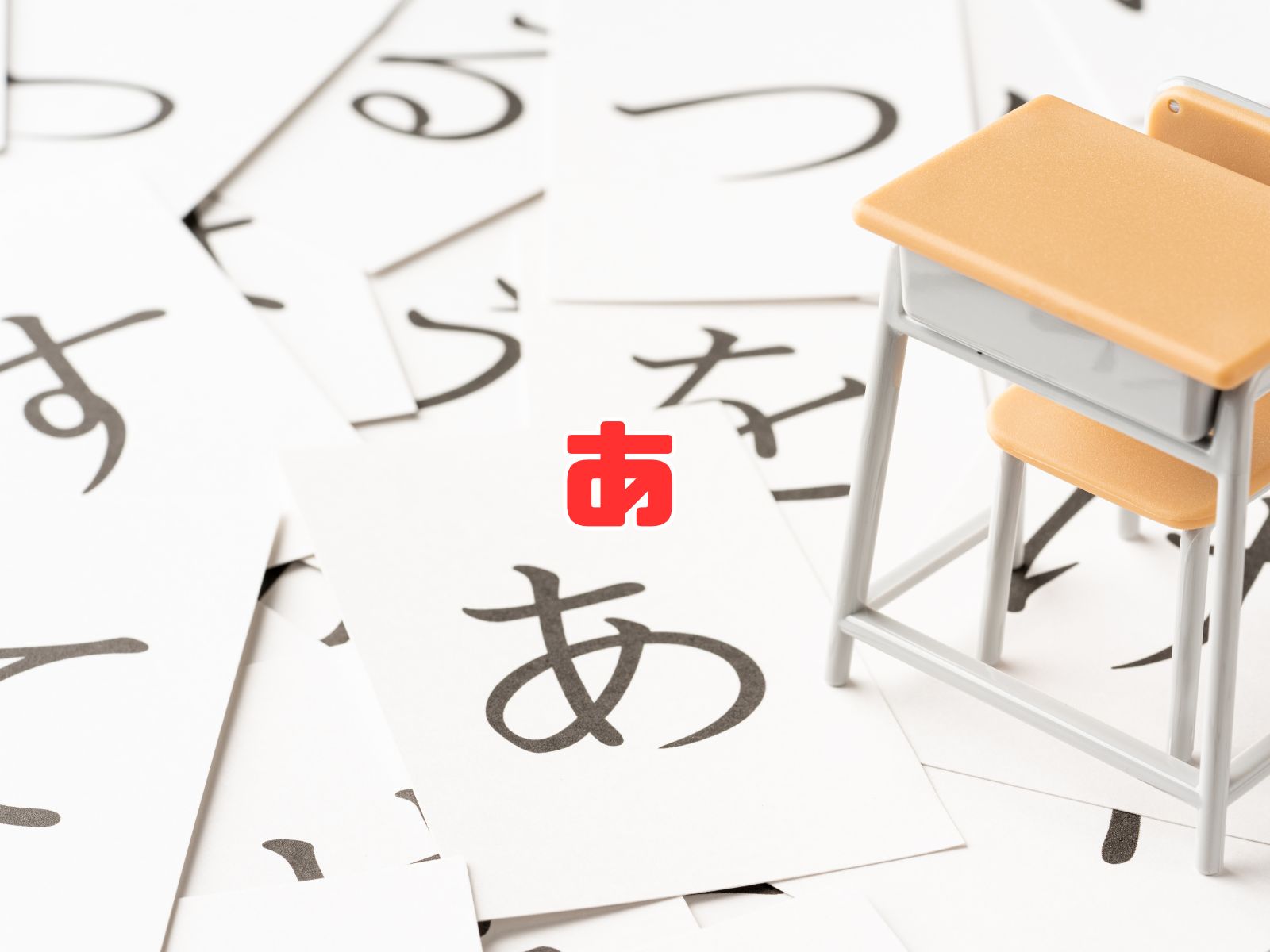
"A" (あ) is the first character in the Japanese Hiragana syllabary, holding the primary position in the Gojuon (fifty-sound) table.
As the head vowel of the "A-column" (あ行), it serves as the essential vocal starting point for the subsequent consonants ("ka," "sa," "ta," "na," etc.). While appearing linguistically simple, this single character carries a fascinating array of semantic meanings, etymological roots, and communicative functions.
Diverse Semantic Meanings of "A"
The semantic function of "A" shifts significantly depending on its conversational context:
- Interjection (感嘆詞): Used to express immediate, raw emotions such as surprise, delight, sorrow, or physical sensation (e.g., "Ah, beautiful!" or "Ouch!").
- Demonstrative Pronoun (指示代名詞): Serves as the root pronoun indicating distance (are, ano), pointing to people or objects located far from both the speaker and the listener (e.g., "Who is *that* person?").
- Archaic Medical Pejorative: Historically used in classical Japanese to designate a chronic, lingering illness, though obsolete in modern usage.
- Archaic Geographical Term: Used as a synonym for "geography" (chiri) in historical gazetteers and regional dictionaries. For example, the town of Shimanto in Kochi Prefecture has a district named "Aisari" (相去), showing how the phonetic "A" was mapped to physical borders and land features.
This linguistic diversity highlights that even the most basic phonetic unit in Japanese carries layered layers of semantic meaning.
Etymological Origins in Kanji "An" (安)
The Hiragana character "あ" was etymologically derived from the Kanji "An" (安 - peace/safety).
Over the early centuries of Hiragana development, the cursive (gyousho) and highly simplified grass-script (sousho) forms of "安" were gradually streamlined to compose the modern character "あ."
The Kanji "安" pictographically depicts a woman (女) inside a home (represented by the roof radical 宀), symbolizing peace, safety, and comfort. The fact that "あ" is used to express sudden relief, shock, or realization in everyday speech reflects these deep etymological associations with security and basic emotional states.
Lrivial Conversational Examples and Communicative Functions
In daily conversation, "あ" is utilized in diverse ways to organize social interactions:
- Informal Greetings: Used as a casual conversational starter (e.g., "Ah, hello there").
- Conversational Backchanneling (相づち): Signals active listening, understanding, or agreement in dialogue (e.g., "Ah, I see" or "Ah, yes").
- Attention-Grabbing: Used to politely catch a partner's attention (e.g., "Ah, excuse me for a moment").
- Lyrical Interjections: Expresses deep emotional response, joy, or relief (e.g., "Ah, amazing!" or "Ah, thank goodness").
These examples highlight that "あ" serves as a crucial tool for regulating conversational flow, establishing rapport, and signaling transitions in topic, making it a highly functional asset in Japanese communication.
Key Psychodynamic and Marketing Concepts
The character "A" is also linked with several theoretical and analytic concepts:
- The Jungian Animus
In Carl Jung's analytical psychology, the "Animus" represents the unconscious masculine archetype in women, while "Anima" represents the feminine archetype in men.
Interestingly, "Anima" originates from the Latin noun representing "soul" or "breath of life," which aligns with ancient Japanese associations of "A" representing the vital breath, geographic essence, and spiritual core of a place.
Conclusion
"A" (あ) is the foundational starting point of Japanese Hiragana, carrying layered functions as an interjection, demonstrative pronoun, and historical geographical term. Derived from the Kanji "An" (安), it is actively woven into daily greetings, backchannelings, and emotional expressions. It is also linked with advanced psychodynamic (Animus) and business models.
This guide has explored the layered dimensions of "あ." Even the simplest character in the Gojuon syllabary carries a deep historical and functional richness, reflecting the immense flexibility, conversational subtlety, and emotional depth of the Japanese language.
About ""A" (The Primacy of Hiragana, Etymological Roots in An, and Jungian Psychoanalytic/Marketing Interpretations)"
This page provides the English definition and usage guide for the professional term ""A" (The Primacy of Hiragana, Etymological Roots in An, and Jungian Psychoanalytic/Marketing Interpretations)." If you have any suggestions, feedback, or corrections regarding our terminology articles, please feel free to reach out via our contact form.