Oban Nishiki-e (大判錦絵 - Tabular Woodblock Prints, Polychrome Printing Techniques, Ukiyo-e Masters, and Cultural Legacy)
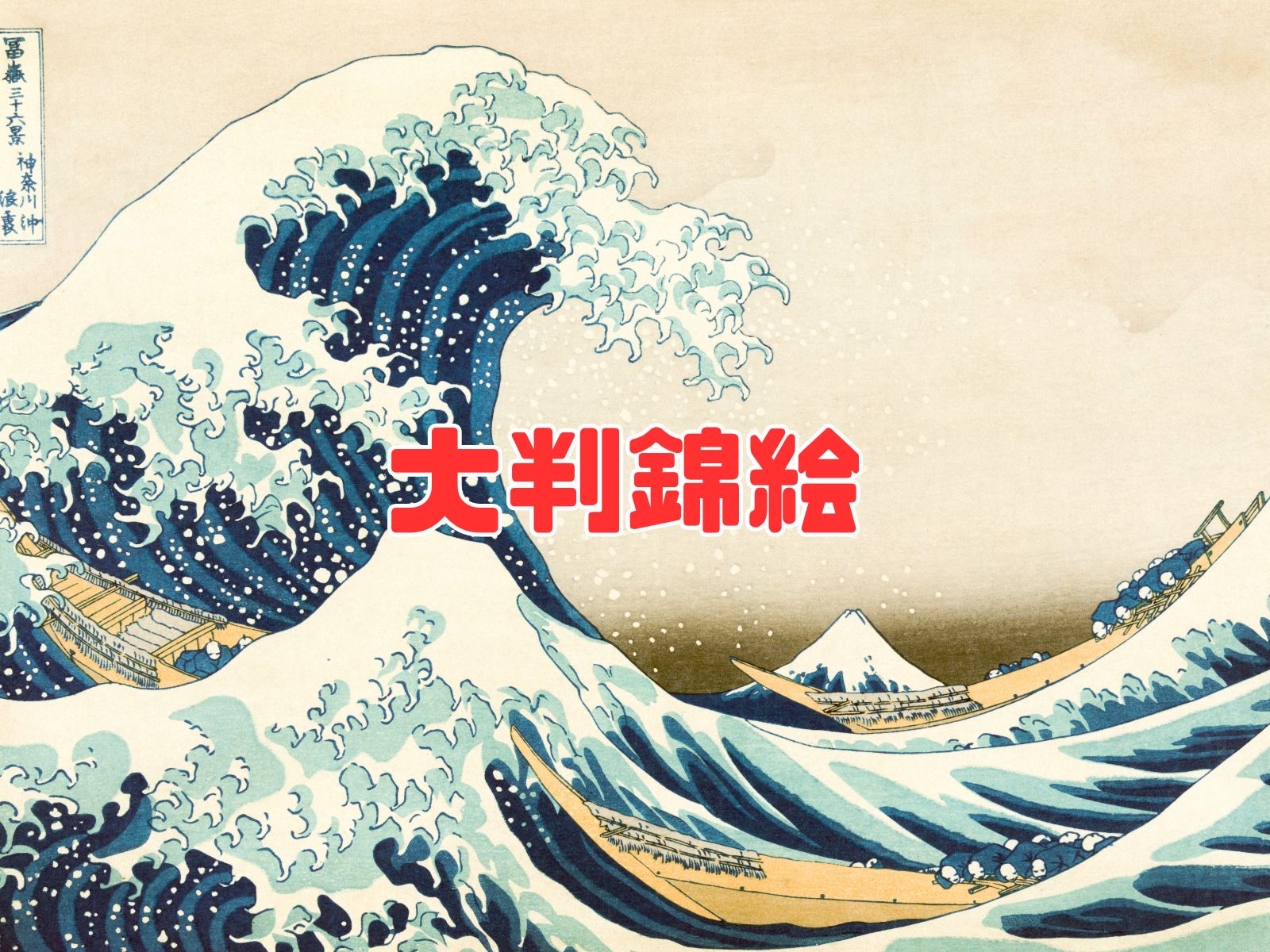
"Oban Nishiki-e" (大判錦絵) is a prominent, highly celebrated format of Japanese Ukiyo-e woodblock prints that flourished during the Edo period. It refers specifically to multi-colored polychrome prints ("Nishiki-e") produced on large sheets of traditional handmade paper known as "Oban."
A standard Oban print measures approximately 43 centimeters vertically by 29 centimeters horizontally, representing exactly half the size of a full sheet of "O-hosho" (大奉書) paper.
The Oban format emerged as the universal standard for Ukiyo-e prints, beloved by the public for its dramatic scale, rich color palette, and expressive thematic content.
Key Artistic Characteristics of Oban Nishiki-e
1. The Tabular Scale
The defining feature of Oban Nishiki-e is its generous size compared to earlier formats. The paper dimensions were derived by cleanly folding a full sheet of high-quality, heavy-weight O-hosho paper in half. Beyond Oban, Edo publishers utilized several traditional paper formats depending on the genre:
| Traditional Paper Format | Approximate Dimensions (cm) | Historical Description |
|---|---|---|
| O-Oban (大大判 / 倍判) | Custom / Variable | Double the size of a standard Oban sheet. |
| Oban (大判) | Approx. 43 x 29 | Exactly half of a full O-hosho sheet. |
| Aiban (間判) | Approx. 34 x 23 | An intermediate size between Oban and Chuban. |
| Chuban (中判) | Approx. 26 x 19 | Exactly half of an Aiban sheet. |
This expansive visual space allowed artists to illustrate human figures—particularly Kabuki actors and beautiful women—with unprecedented facial detail and intricate clothing patterns. In landscape genres, it empowered artists to capture sweeping, dynamic vistas of Japan's natural wonders.
2. Polychrome Printing and the Color Palette
Unlike early Ukiyo-e formats—such as monochrome ink prints (Sumizuri-e) or basic hand-colored rose-hued prints (Benizuri-e)—Nishiki-e utilized multiple carved woodblocks to register many layers of vibrant color, resembling luxurious brocades (Nishiki).
These brilliant colors were derived entirely from natural plant and mineral pigments—including safflower (beni) for deep reds, and indigo (ai) for rich blues—giving Ukiyo-e prints their soft, organic, and long-lasting tonality.
3. Diverse Thematic Genres
The thematic scope of Oban Nishiki-e was vast, reflecting the popular culture of the Edo period:
• Bijin-ga (美人画): Portraits of celebrated courtesans and town beauties, capturing the era's ideal of feminine elegance.
• Yakusha-e (役者絵): Portraits of popular Kabuki actors, serving as highly collectible advertisements for theatrical productions.
• Fukei-ga (風景画): Scenic landscape prints, such as views of the historical Tokaido road, which fueled a massive travel boom.
Because they illustrated contemporary trends, these prints served as vital information media. By collecting them, the public kept up-to-date with their favorite actors, sumotori (wrestlers), and fashion trends.
The Historical Evolution and Production System
Ukiyo-e printmaking began in the early Edo period, pioneered by Matabei Iwasa. Over decades, printing evolved from simple monochrome sheets to sophisticated polychrome Nishiki-e, which emerged in the Meiwa era (1764–1772) and was popularized by Harunobu Suzuki. Soon after, artist Koryusai adopted the large Oban format for Nishiki-e, cementing it as the industry standard.
The creation of these prints relied on a highly coordinated four-tier system:
1. The Publisher (Hanmoto): The strategic producer who planned the project, financed production, and distributed the prints.
2. The Artist (Eshi): The designer who drew the core ink layout (hanshita-e).
3. The Carver (Horishi): The highly skilled craftsman who carved the intricate details onto cherry woodblocks.
4. The Printer (Surishi): The artisan who pressed the paper onto the inked blocks, applying rich, layered colors.
Iconic Masterpieces of Oban Nishiki-e
The Oban Nishiki-e format served as the canvas for many of the most famous masterpieces in Japanese art history:
| Artwork Title | Master Artist | Estimated Production Era | Artistic and Cultural Features |
|---|---|---|---|
| The Great Wave off Kanagawa (神奈川沖浪裏) | Katsushika Hokusai | Circa 1831 (Tenpo 2) | From the series "Thirty-Six Views of Mount Fuji"; globally famous for its dynamic composition and ocean waves. |
| Nihonbashi (東海道五十三次 日本橋) | Utagawa Hiroshige | 1833–1834 (Tenpo 4–5) | A landscape masterpiece from "The Fifty-Three Stations of the Tokaido," capturing the bustling starting point of travel. |
| Soma no Furudairi (相馬の古内裏) | Utagawa Kuniyoshi | Circa 1844 (Koka 1) | A legendary warrior print (musha-e) featuring a dramatic, giant skeleton rising from a dark background. |
| Edobei (三代目大谷鬼次の江戸兵衛) | Toshusai Sharaku | 1794 (Kansei 6) | An iconic Kabuki actor portrait (yakusha-e), famous for its bold, expressive caricature and dark mica background. |
Global Cultural Legacy and Japonisme
Oban Nishiki-e is celebrated as a peak achievement of Edo-period popular culture, providing invaluable historical insights into the fashion, entertainment, and daily life of early modern Japan.
In the late 19th century, Ukiyo-e prints exported to Europe had a profound impact on French Impressionist and Post-Impressionist painters (such as Monet, Van Gogh, and Degas), sparking the global artistic movement known as Japonisme.
Even during the Meiji era, the Ministry of Education recognized their educational value, commissioning specialized "Educational Nishiki-e" (教育錦絵) to teach children.
Today, the bold compositions, flat colors, and dynamic linework of Oban Nishiki-e continue to inspire modern graphic design, poster art, and global fashion trends.
Related Art Historical Terms
Ukiyo-e (浮世絵)
"Pictures of the floating world," referring to the broader genre of painting and woodblock printing produced between the Edo and Taisho eras, capturing transient daily pleasures and theatrical pop culture.
Nishiki-e (錦絵)
"Brocade pictures," referring specifically to full-color polychrome woodblock prints developed by Suzuki Harunobu in the 1760s, introducing beautiful, multi-layered color printing to the masses.
Okubi-e (大首絵)
"Large-head pictures," a sub-genre of Ukiyo-e focusing on close-up bust portraits of actors and beautiful women, popularized by Sharaku and Utamaro to capture intense psychological expressions.
Conclusion
Oban Nishiki-e represents a historic marriage of artistic genius and collaborative craftsmanship, bringing high-quality multi-color art into the homes of common citizens during the Edo period. The large Oban format was crucial to this success, allowing artists to expand their compositions and express complex details. Today, these beautiful prints continue to be prized globally for their immense artistic and cultural value.
About "Oban Nishiki-e (大判錦絵 - Tabular Woodblock Prints, Polychrome Printing Techniques, Ukiyo-e Masters, and Cultural Legacy)"
This page provides the English definition and usage guide for the professional term "Oban Nishiki-e (大判錦絵 - Tabular Woodblock Prints, Polychrome Printing Techniques, Ukiyo-e Masters, and Cultural Legacy)." If you have any suggestions, feedback, or corrections regarding our terminology articles, please feel free to reach out via our contact form.