Onna no Hana (女の花 - Symbolism of Female Beauty, Etymological Roots of Patrinia Scabiosifolia, Classical Waka Poetry, and Metaphorical Underworld Slang)
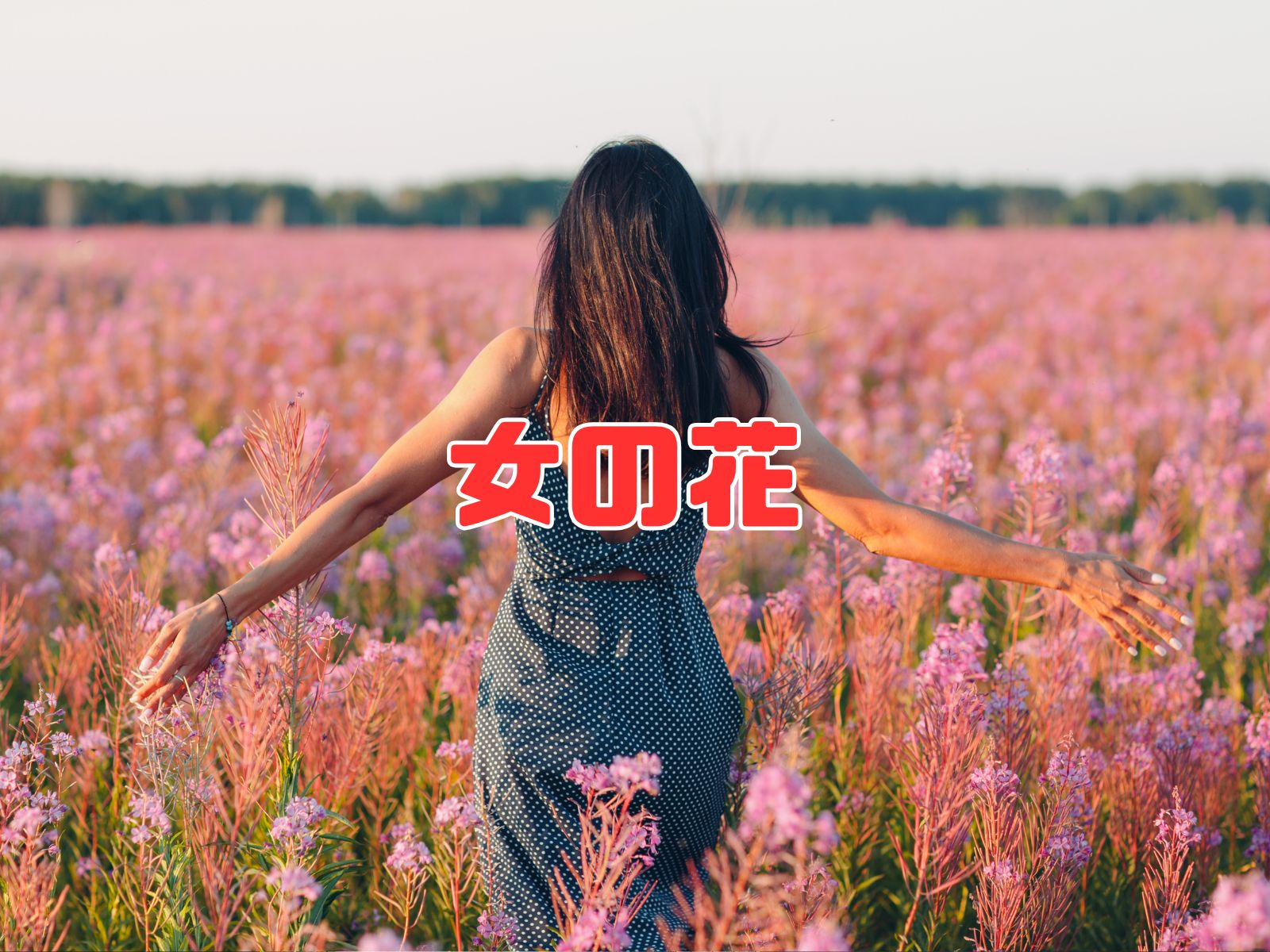
At first glance, the Japanese phrase "Onna no Hana" (女の花) might seem like a simple description translating literally to "a woman's flower." In cultural reality, however, it represents a highly multi-layered, deeply historical, and complex linguistic expression.
This comprehensive analysis explores the diverse definitions of "Onna no Hana"—tracing its botanical origins, its deployment across classical waka poetry, its historical links to Edo-period pleasure quarters, and its modern transition into both popular music and colloquial anatomical double-entendres.
Definitions and Symbolic Dimensions
The cultural meaning of "Onna no Hana" shifts profoundly depending on the context in which it is used:
In classical literature, the phrase is a universal symbol of female beauty, elegant charm, and biological allure. It represents a woman in the absolute peak of her youth and grace, while frequently carrying a melancholic, transient undertone reminding readers of the fleeting nature of physical beauty.
Botanically, the phrase is historically bound to the plant Ominaeshi (女郎花 - Patrinia scabiosifolia), one of the legendary Seven Autumn Herbs (Aki no Nanakusa) that blooms with delicate, clusters of bright yellow flowers. In ancient Japan, the kanji "女郎" (jorou) denoted high-born noble ladies rather than its later association with courtesans. Consequently, the Ominaeshi was revered as the ultimate botanical representation of feminine elegance, cementing the association between women and seasonal flowers.
In stark contrast, "女の花" (or "お花") has historically functioned as a highly common anatomical euphemism for the female genitalia.
Particularly in colloquial, adult, or humorous contexts, the term is deployed in this metaphorical sense.
Because flowers serve as the primary reproductive organs of plants and are biologically tied to the generation of life, cultures globally have mapped the flower as an archetype representing female reproductive capacity and sexual allure.
This dual nature—spanning pure classical aesthetics and raw anatomical metaphor—requires speakers to analyze the surrounding context carefully to prevent communication errors.
Historical Origins and Etymology
Linguistically, the phrase traces back to the deep-seated human habit of mapping botanical beauty onto human attributes. The classical branch focuses on the botanical grace of the Ominaeshi (maiden flower) to represent elegant women, while the folk branch utilizes the biological function of the flower (pollination, seed-bearing, and blooming) to frame female sexuality and fertility.
Deployment Across Classical Literature and Poetry
"Onna no Hana" and its botanical representative, Ominaeshi, serve as crucial motifs across centuries of Japanese literary achievements:
- The Manyoshu (万葉集):
In the famous waka, "Te ni toreba sode sae niou ominaeshi kono shiratsuyu ni chiramaku oshi mo" (When held in the hand, its fragrance infuses my sleeves—this ominaeshi, how I grieve that it must scatter in the white dew), the flower's delicate fragrance is used to express bittersweet longing for a beloved woman. - The Kinkai Wakashu (金槐和歌集):
In the verse, "Saoshika no ono ga sumu no no ominaeshi hana ni akazu to ne o ya nakuran" (Does the stag cry in the field, never tiring of the ominaeshi flowers?), the flower is framed as a powerful beauty that eagerly draws the romantic focus of men. - Nyugin-bon 'Hitome Senbon' (入銀本『一目千本』):
In the mid-Edo period, publisher Tsutaya Juzaburo designed a highly celebrated courtesan ratings directory titled Hitome Senbon, which systematically compared Yoshiwara courtesans to beautiful seasonal flowers, elevating their status through artistic, floral metaphors.
Practical Examples in Sentences
- "She carried herself with a luminous grace that made her truly worthy of the title 'Onna no Hana.'"
- "The spring garden, filled with blooming Onna no Hana, brought immense peace to all visitors."
Linguistic Synonyms and Contrasts
In its aesthetic sense, synonyms for the phrase include terms of high praise like Bijin (美人 - Beautiful Woman), Kajin (佳人 - Graceful Lady), and Reijin (麗人 - Elegant Beauty).
Conversely, the corresponding contrastive term is "Otoko no Hana" (男の花 - a man's flower). Like its female counterpart, "Otoko no Hana" is polysemous—serving alternatively as an anatomical euphemism for the male genitalia, a symbol of male homosexual alliance in historical theater, or a metaphor representing masculine courage and warrior valor on the battlefield.
Historical and Cultural Milestones
- The Heian Period (794–1185):
Within the refined court culture, noblewomen wore a traditional hair ornament called "Kazashi no Hana" (挿頭の花 - pinned seasonal flowers). These floral ornaments were not simple decorations; they served as critical markers of status and rank. High-ranking noblewomen wore expensive cherry or plum blossoms, while lower-ranking attendants utilized simple wild herbs. - The Edo Period (1603–1867):
In the licensed pleasure quarters of Yoshiwara, elite courtesans (Oiran) wore massive, elaborate hairpins adorned with seasonal artificial flowers, marching through the streets in grand processions. These women represented the absolute peak of fashion, trends, and artistic talent—serving as the ultimate living symbols of "Onna no Hana" to the public.

AD
・無料会員登録でPayPay 200円分のポイントプレゼント
・運営17年目の老舗ポイントサイト
・ポイントは現金や電子マネーに交換可能
・24時間いつでも交換可能で登録後条件達成で2200円GET
Modern Public Perception and Media Adaptations
In contemporary Japan, "Onna no Hana" remains a highly respected poetic term to praise female beauty, resilience, and personal success. However, its anatomical double-meaning has been heavily amplified in informal digital slang across social networks, requiring polite speakers to avoid its use in casual corporate conversations.
This modern slang interpretation has been accelerated by the democratization of sexual and anatomical references across online forums and SNS platforms.
Conversely, in mainstream culture, the term is celebrated as a symbol of female empowerment and happiness. A prime example is the famous Enka song "Onna no Hana ga Saku" (女の花が咲く - A Woman's Flower Blooms) performed by iconic singer Yoshimi Tendo, which beautifully celebrates a woman's journey to achieve happiness and personal fulfillment.
Conclusion
"Onna no Hana" is a remarkably rich, multi-layered Japanese concept that bridges classical waka poetry, early modern pleasure quarter histories, botanical traditions, and contemporary popular music. While its colloquial double-entendres require careful management, its core message remains a beautiful tribute to the resilience, elegance, and life-giving power of women.
By exploring this single phrase, we gather valuable insights into how Japanese aesthetics, literature, and societal views of women have evolved over centuries, proving that language holds deep cultural power.
About "Onna no Hana (女の花 - Symbolism of Female Beauty, Etymological Roots of Patrinia Scabiosifolia, Classical Waka Poetry, and Metaphorical Underworld Slang)"
This page provides the English definition and usage guide for the professional term "Onna no Hana (女の花 - Symbolism of Female Beauty, Etymological Roots of Patrinia Scabiosifolia, Classical Waka Poetry, and Metaphorical Underworld Slang)." If you have any suggestions, feedback, or corrections regarding our terminology articles, please feel free to reach out via our contact form.