Tribalism (トライバリズム - Tribalism: Definition, historical origins from Ancient Rome, modern political polarization, and social impact)
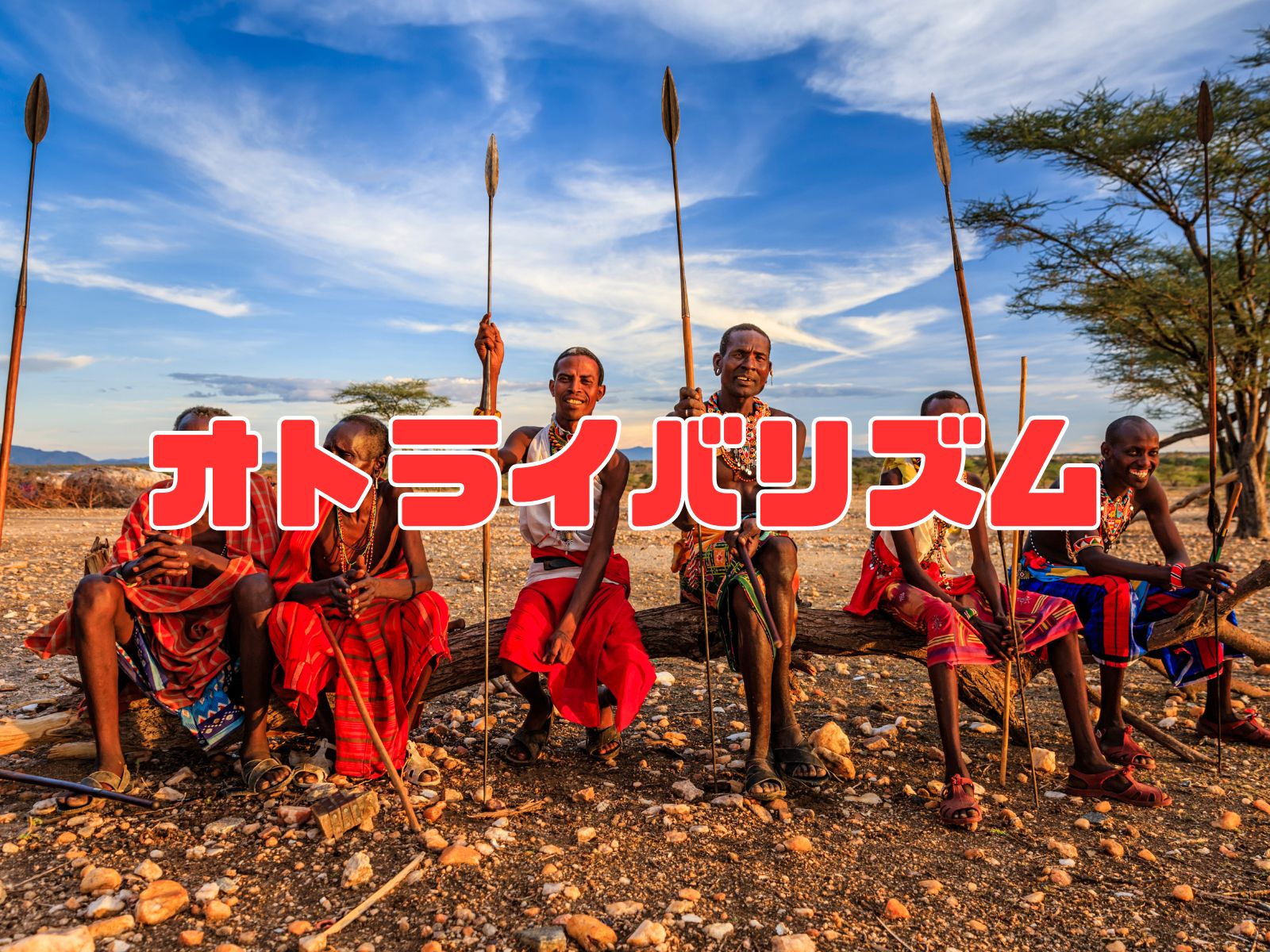
In today's society, where polarization and division seem to run increasingly deep, the term "Tribalism" (部族主義 - Buzoku-shugi) has emerged as a crucial keyword to understand contemporary social dynamics.
Definition and Meaning of Tribalism
Tribalism refers to a social phenomenon characterized by an intense sense of loyalty and belonging to a specific group that shares a common culture, set of values, or belief system, coupled with an exclusive, often hostile attitude toward those outside the group.
In social psychology, this manifests as individuals categorizing their own group as the "in-group" and all others as the "out-group." While prioritizing absolute loyalty and solidarity within the in-group, they tend to harbor distrust, prejudice, or hostility toward the out-group.
The concept is utilized across various fields, including sociology, politics, and cultural studies:
Cultural tribalism refers to the fragmentation of society into highly specialized micro-communities based on shared lifestyles or mindsets, each establishing its own unique culture.
Political tribalism describes severe polarization where citizens are divided along partisan lines or ideological bubbles, viewing political opponents not merely as citizens with differing opinions, but as threats to their way of life.
Furthermore, tribalism can denote the traditional customs, social structures, and strong loyalty found in tribal societies, or the historical state of existing as distinct tribes.
While these "tribes" provide members with psychological security and a robust sense of identity in exchange for their loyalty, they also carry the risk of promoting groupthink, discouraging independent critical thought, and demanding absolute conformity.
Historical Origins and Evolutionary Context
Tribal behavior is deeply rooted in human evolutionary history, stretching back to our hunter-gatherer ancestors.
For thousands of generations, humans lived in small, tightly-knit bands where survival was highly dependent on group cooperation to secure scarce resources. In such environments, an intense commitment to the group was essential for survival, and a natural vigilance against out-groups played a critical role in defense.
The etymology of the English word "tribe" traces back to the Latin term "Tribus," used in ancient Rome to designate administrative and social divisions.
In modern history, the word "tribe" was widely used during the era of European colonial expansion to categorize the social structures of colonized peoples.
Interestingly, archaeological evidence reveals that highly organized tribal societies existed in regions like the Pacific Northwest of North America for over 10,000 years.
Long before European contact, these communities maintained sophisticated cultures, governance, and complex traditional medical knowledge systems.
Modern Manifestations of Tribalism
In modern globalized society, tribalism has re-emerged in powerful new formats:
- Severe Political Polarization
The deep division of citizens into hostile partisan camps based on political ideology.
For example, the Brexit phenomenon is often analyzed as a populist backlash against London and Brussels elites, whom voters felt ruled from a distance while ignoring the voices of "real British people."
This tendency has been dramatically accelerated by social media algorithms that selectively feed users information that aligns with their pre-existing beliefs, shielding them from opposing views.
This creates powerful online echo chambers, reinforcing tribal instincts and locking groups into hostile standoffs. - Sports Fanaticism
An intense emotional attachment to a specific sports team accompanied by hostility toward rivals. Violent clashes and discriminatory slurs between radical supporters illustrate the destructive side of tribalism. - Social Media Micro-Communities
Online spaces where individuals gather around highly specific hobbies or values, forming insular networks.
Dedicated fanbases, online subcultures (such as hip-hop or country music bubbles), and private forums act as modern digital tribes. - Corporate Identity and Culture
Organizations that foster intense internal alignment around specific corporate values, which can sometimes lead to insular attitudes toward external feedback.
For instance, brands often leverage sustainability campaigns to win the trust and loyalty of specific value-driven consumer "tribes." - Religious Sectarianism
Excluding or opposing other religious groups based on theological differences.
Some sociologists argue that the decline of youth participation in traditional churches is partly because younger generations perceive these institutions as locked in an "us versus them" tribal mentality, failing to engage in open dialogue with diverse views. - Extreme Nationalism
Overemphasizing ethnic or national identity to discriminate against or exclude other cultures and immigrant populations.
Additionally, a shared narrative of the past and a collective imagination of the future play vital roles in cementing these modern tribal identities.
Pros and Cons of Tribalism
| Advantages | Disadvantages |
|---|---|
| Enhances the sense of belonging and strengthens social solidarity within the community. | Triggers intergroup conflict, discrimination, and deepens social fragmentation. |
| Shared goals and values empower members to cooperate effectively and overcome challenging crises. | Deep-seated prejudice against out-groups can escalate into physical violence, systemic exclusion, or outright conflict. |
| Belonging to a group helps individuals establish their personal identity, safety, and psychological peace of mind. | Can suppress critical, independent thinking by demanding absolute conformity to the group norm. |
As outlined above, while tribalism serves as a powerful force for social cohesion, it simultaneously introduces the risk of discrimination, inter-group hostility, and societal division.
This highlights the constant tension between the community's need for cohesion and the dangerous instinct of exclusion.
Tribal behaviors are often further amplified by intense competition or the perception of a shared external threat.
Relationship with Related Social Concepts
Tribalism is closely linked to several key psychological and sociological concepts:
- In-Group Bias: The natural cognitive tendency to favor members of one's own group while neglecting or undervaluing outsiders.
- Conformity Pressure: The social pressure exerted on an individual to align their opinions and behaviors with group norms.
- Exclusivism: A philosophical stance that prioritizes a single group's truth or status while dismissing all others.
- Identity Politics: Political movements and advocacy organized around shared aspects of personal identity (such as race, religion, or gender).
- Populism: A political approach that appeals to the emotions and frustrations of the general public against a perceived "elite" out-group.
Furthermore, tribalism remains deeply intertwined with ritual and myth. These shared narratives and rituals reinforce internal conformity and perpetuate tribal loyalty over generations.
This conceptual link helps explain why high-impact, ritualistic sports like American football maintain such a profound, quasi-religious grip on cultural identity in the United States.
Conclusion
In conclusion, tribalism is a fundamental social phenomenon driven by our evolutionary need for belonging and group security. In our modern globalized landscape, it manifests powerfully across politics, sports, and digital social spaces.
As globalization, identity politics, and algorithmic social networks intersect, contemporary tribalism acts as both a valuable source of community solidarity and a volatile trigger for division and conflict.
While tribalism presents clear challenges to global harmony, it represents an inescapable aspect of human social biology. Understanding its mechanism is essential to striking a healthy, sustainable balance between social integration and the preservation of diverse identities.
About "Tribalism (トライバリズム - Tribalism: Definition, historical origins from Ancient Rome, modern political polarization, and social impact)"
This page provides the English definition and usage guide for the professional term "Tribalism (トライバリズム - Tribalism: Definition, historical origins from Ancient Rome, modern political polarization, and social impact)." If you have any suggestions, feedback, or corrections regarding our terminology articles, please feel free to reach out via our contact form.