Fact-Checking (The Evolution, Methods, and Challenges in the Fake News Era)
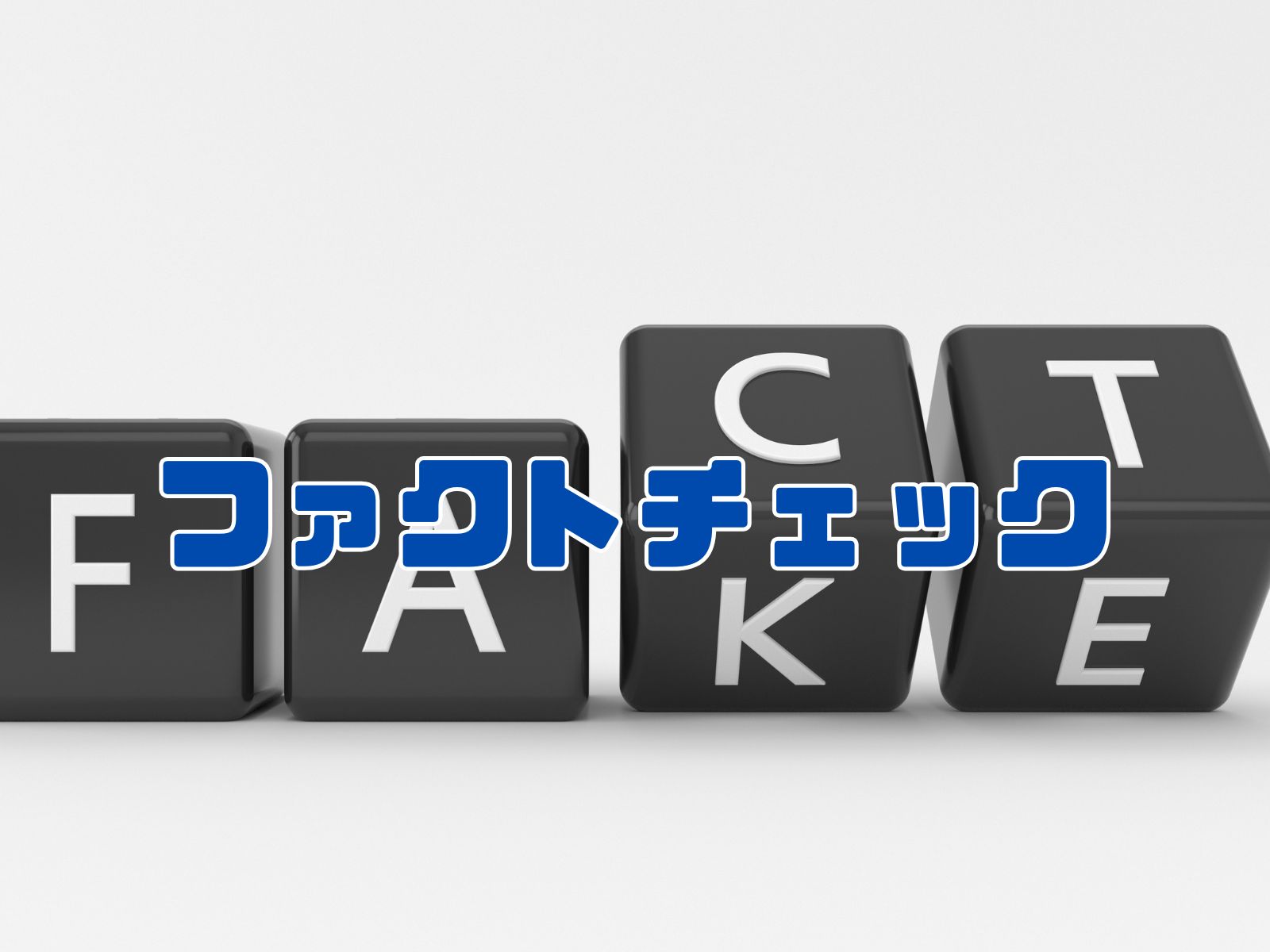
With the exponential growth of the internet and social media platforms, the proliferation of unverified information and fake news has emerged as a major global societal challenge. Under these circumstances, "Fact-Checking" (ファクトチェック) has become an essential mechanism to restore trust, evaluate public discourse, and verify information accuracy.
The History of Fact-Checking
The origins of formal fact-checking can be traced back to the early 20th century. With the rise of consumer magazines and commercial radio broadcasts, deceptive advertising and unverified claims became prominent, creating a critical need for systematic verification. In the 1920s, the American news magazine Time established the world's first dedicated fact-checking department to verify the accuracy of its articles before publication. Over time, other major news agencies adopted these standards, cementing fact-checking as a core pillar of professional journalism.
Definition and Objectives of Fact-Checking
Fact-checking is the systematic process of verifying the factual accuracy of public assertions, news articles, social media posts, and political statements. Its primary objective is to identify, document, and correct misinformation, empowering citizens to make rational decisions and take informed action based on objective reality. In a democratic society, robust fact-checking is vital to protect public discourse from manipulation, cognitive biases, and propaganda. It serves as a frontline defense against the spread of viral "fake news" and its destabilizing social impacts.
The Methodology: Steps and Techniques
Professional fact-checkers generally adhere to a rigorous, multi-step verification methodology:
- Source Verification: Investigating the origin of a claim, evaluating the credibility and track record of the source, and analyzing potential conflicts of interest.
- Evidence Triangulation (Cross-Checking): Referencing multiple independent primary sources, official government databases, and academic archives. Fact-checkers perform source-tracing to bypass secondary reports and verify the raw primary data directly, identifying inconsistencies and logical fallacies.
- Expert Consultations: Conducting active expert interviews to gather specialized scientific, economic, or legal insights that contextualize statistical claims.
- Data Analysis: Utilizing analytical tools to parse quantitative statistics, verify mathematical calculations, and evaluate the mathematical integrity of presented graphs.
- Transparent Publication: Publishing the final fact-check results on transparent web platforms, providing clickable links to all evaluated sources so the public can independently verify the process.
Modern Challenges: Visual Disinformation and AI
With rapid technological advancements, fact-checking faces unprecedented challenges. Verifying visual media—such as doctored photographs, synthesized audio, and AI-generated "deepfake" videos—is vastly more complex than traditional text-based analysis. Spotting these sophisticated manipulations requires highly specialized digital forensics, metadata analysis, and reverse-image searching technologies.
The Integration of Artificial Intelligence (AI)
In response to the sheer volume of daily digital uploads, engineers are actively deploying AI tools to automate parts of the fact-checking pipeline. AI algorithms excel at scanning massive datasets to extract viral claims, cross-reference historical databases, and flag suspicious anomalies. However, AI remains an evolving technology that lacks the capacity for nuanced contextual interpretation, sarcasm detection, or ethical reasoning. Consequently, AI functions as a supportive scanning tool, while the final, definitive verdict remains strictly in the hands of trained human fact-checkers.
Ethical Principles of Fact-Checking
To maintain public trust and democratic legitimacy, fact-checking organizations must strictly adhere to the following ethical principles:
- Absolute Accuracy: Maintaining rigorous standards of evidence and empirical truth.
- Fairness & Non-Partisanship: Applying the exact same standard of scrutiny to all political parties and interest groups.
- Transparency of Sources: Allowing readers to follow the exact same research trail.
- Respect for Privacy: Avoiding the violation of individual privacy rights.
- Preserving Freedom of Expression: Avoiding the censorship of legitimate opinions or creative speech.
Prominent Global & Local Fact-Checking Organizations
Fact-checking is championed by a diverse ecosystem of journalists, NGOs, and research networks:
- International Fact-Checking Network (IFCN): The global governing body that establishes a strict code of principles for verified fact-checking organizations.
- NPOs: Independent, non-profit fact-checkers that prioritize public interest over corporate profit, such as PolitiFact, Snopes, and FactCheck.org.
- Local Networks: In Japan, the Japan Fact-Check Center (JFC) and the Fact-Checking Initiative (FIJ) work to combat localized digital rumors and restore media credibility.
The Impact of Misinformation
The viral spread of misinformation (accidental errors) and disinformation (intentional lies) inflicts severe societal damage. It erodes institutional trust, accelerates political polarization, and sparks public health crises. For example, during medical crises, viral health myths discourage individuals from seeking legitimate medical treatment, directly costing lives. Similarly, election-related conspiracies damage democratic transitions and ignite civil unrest.
How Citizens Can Participate in Fact-Checking
Every digital citizen plays a vital role in curbing the spread of misinformation by practicing basic information hygiene:
- Verify Before Sharing: Cultivate the habit of asking, "Where is the evidence?" before hitting share.
- Consult Multiple Sources: Compare conflicting news reports to gain a balanced perspective.
- Leverage Verified Fact-Checking Sites: Check established databases like Snopes or JFC when encountering sensational headlines.
- Enhance Information Literacy: Build critical thinking skills to recognize emotional manipulation, clickbait titles, and cognitive confirmation bias.
Conclusion
Fact-checking is an indispensable cornerstone of the modern information age, vital to protecting rational democratic decision-making. By cultivating media literacy, utilizing AI-assisted verification tools, and adhering to strict non-partisan ethics, we can build a resilient, healthy, and truth-centered digital society.
About "Fact-Checking (The Evolution, Methods, and Challenges in the Fake News Era)"
This page provides the English definition and usage guide for the professional term "Fact-Checking (The Evolution, Methods, and Challenges in the Fake News Era)." If you have any suggestions, feedback, or corrections regarding our terminology articles, please feel free to reach out via our contact form.