Merchant (マーチャント - Merchant: Business definitions in retail, wholesale, credit card finance, and historical development)
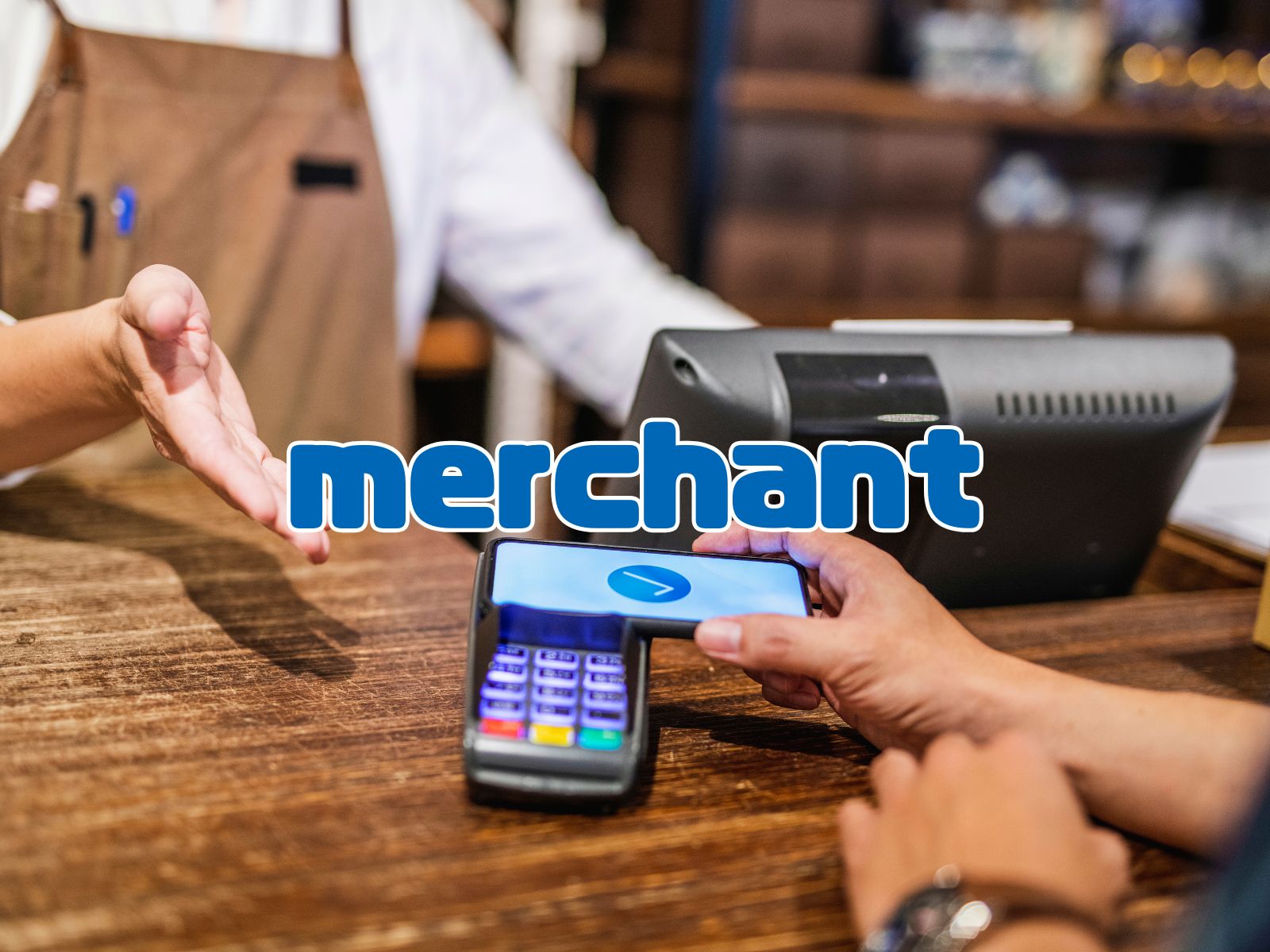
The term "Merchant" (マーチャント / 商人) has historically designated individuals who play a central, life-sustaining role in local and global economic trade.
In modern business, while the word remains incredibly common, its operational definition has evolved to match changing financial systems and digital landscapes.
The Role and Classifications of Merchants in Business
In the business sphere, a merchant acts as a vital conduit, sourcing goods or services and delivering them to end consumers, thereby driving active economic flow. By accurately identifying buyer demands and providing appropriate items, merchants enhance customer satisfaction and create outstanding market value.
Merchants are standardly classified based on their target consumers, sourcing logistics, and sales methods. The primary types are detailed in the table below:
| Merchant Type | Operational Description | Real-World Examples |
|---|---|---|
| Retail Merchant (小売商人) | Sources goods from wholesalers or manufacturers and sells them directly to end-users. They maintain close customer touchpoints, managing sales, marketing, and after-sale support. | Department stores, supermarkets, specialty boutiques, online storefronts. |
| Wholesale Merchant (卸売商人) | Purchases products in massive bulk quantities from manufacturers and distributes them to retail businesses, streamlining supply chain logistics. | Bulk warehouse distributors, supply chain logistics firms. |
| E-commerce Merchant (電子商取引商人) | Operates storefronts exclusively on digital networks. This segment has grown exponentially, utilizing independent web platforms or global marketplaces. | Third-party brand sellers operating on Amazon, Rakuten, or Shopify. |
| Affiliate Merchant (アフィリエイト商人) | A merchant or advertiser who partners with content creators (affiliates) to promote their products, paying commissions for successful referrals. | Direct-to-consumer (D2C) brands running affiliate networks, digital creators. |
| Service Merchant (サービス商人) | Focuses on delivering intangible professional value, intellectual expertise, or physical hospitality rather than tangible goods. | Restaurants, boutique hotels, law offices, business consultancies. |
The Role of Merchants in the Financial Industry
Within the modern banking and payment industries, "merchant" specifically designates any business entity that accepts credit cards, debit cards, or mobile wallets as payment for goods and services.
To accept electronic payments, a business must set up a specialized bank account known as a Merchant Account (マーチャントアカウント). This merchant account acts as a secure intermediary, processing buyer transactions, verifying funds with card associations, and routing the net sales revenue back to the business's main commercial account.
Merchant Banks and Corporate Finance
Distinct from standard retail businesses, the banking sector features prestigious financial institutions known as "Merchant Banks." Rather than serving individual public consumers, merchant banks cater exclusively to large corporations and high-net-worth individuals—providing specialized services like corporate lending, mergers and acquisitions (M&A) advisory, private equity funding, and large-scale capital sourcing.
While merchant banks standardly avoid day-to-day public retail banking, global giants like JPMorgan Chase, Goldman Sachs, and Citigroup operate elite merchant banking divisions alongside their commercial services.
Historical Evolution of Global Trade
The merchant profession has existed since the absolute dawn of human civilization and trade. In ancient Mesopotamia, Babylonia, Egypt, Greece, Persia, and the Roman Empire, open-air public market squares served as bustling hubs where local merchants and global maritime traders gathered to barter goods. These markets were typically established at the heart of major towns, surrounded by streets of skilled metalworkers, weavers, and leather artisans who either sold directly from their workshops or prepared inventories for busy market days.
During the European Middle Ages, the expansion of international trade routes triggered the rise of a highly powerful, wealthy merchant class. These merchant guilds not only energized local economies but also served as the primary catalysts driving the historical transition from feudalism to early capitalism. By building extensive trade networks across regions, they accumulated substantial wealth, successfully reducing their dependence on feudal lords, funding urban development, and investing in early banking systems that laid the bedrock for modern capitalism.
By the 16th century, merchants actively operated as local shopkeepers, bakers, and specialized import-export traders. However, the linguistic distinction between a large-scale trader ("merchant") and a local shopkeeper ("tradesman") remained blurry until the 18th century. For example, by 1775, the English city of Bristol officially separated elite international merchants from local tradesmen, while German commercial hubs like Hamburg legally distinguished a wholesale merchant (Kaufmann) from a small retail shopkeeper (Krämer).
Historically, while merchants powered massive global development, their early credit operations occasionally led to exploitative practices, such as usurious lending or debt bondage, highlighting the complex socio-economic impact of early banking.
Following the Industrial and Digital Revolutions, the role of the merchant has continuously transformed, remaining a cornerstone of modern global economies.
Modern Challenges and Digital Strategies
In modern societies, merchants serve as the primary engine supporting economic health—creating millions of jobs, offering vital consumer conveniences, and actively funding local community developments.
However, 21st-century merchants face severe challenges: intense global competition, rapidly shifting consumer demands, and the overwhelming dominance of online shopping networks.
The rapid rise of global E-commerce has forced traditional merchants to undergo massive digital transformations. Sourcing online storefronts, managing digital marketing campaigns, and analyzing massive customer datasets require entirely new technological skills. Furthermore, protecting customer payment cards from sophisticated cyber fraud is a constant operational challenge.
To overcome these hurdles, modern merchants prioritize highly efficient inventory controls and personalized consumer experiences. Deploying advanced demand-forecasting software allows firms to optimize stock levels, preventing both costly stockouts and excess storage fees. Simultaneously, providing swift, tailored customer service across all social channels helps build long-term buyer loyalty.
In business strategy, a merchant's journey of turning a product concept into a market reality is standardly defined through a three-stage Manifestation Process:
- Conception (着想): The spark of a product idea, leading to early brainstorming and conceptual designs.
- Incubation (育成): Active product development, drafting robust business plans, securing vendor agreements, and prototyping.
- Birthing (誕生): Launching the finished product into competitive public markets and initiating active sales campaigns.
Through this structured process, merchants continuously generate new value and drive societal progress.
Conclusion
Whether operating as ancient maritime traders, medieval guild masters, or modern digital brand builders, merchants have consistently served as the primary engines of human economic progress. Today, they continue to enrich daily life by delivering goods, services, and creative conveniences across the globe.
By embracing global logistics and omnichannel E-commerce, modern merchants continuously invent innovative business models. However, they must also balance profit margins with active social responsibilities. Prioritizing sustainable sourcing, ethical labor, and data security is vital to ensuring a prosperous, balanced future for global commerce.
Whether managing bulk wholesale logistics, running a digital Shopify brand, or establishing secure merchant accounts, understanding this commercial foundation is key to success in modern business.
I hope this comprehensive guide inspires you to navigate the exciting, evolving landscape of global trade!
About "Merchant (マーチャント - Merchant: Business definitions in retail, wholesale, credit card finance, and historical development)"
This page provides the English definition and usage guide for the professional term "Merchant (マーチャント - Merchant: Business definitions in retail, wholesale, credit card finance, and historical development)." If you have any suggestions, feedback, or corrections regarding our terminology articles, please feel free to reach out via our contact form.