Telemeshi (テレメシ - Tele-Work Meals: Remote dining habits, work-life balance, and wellness delivery trends in Japan)
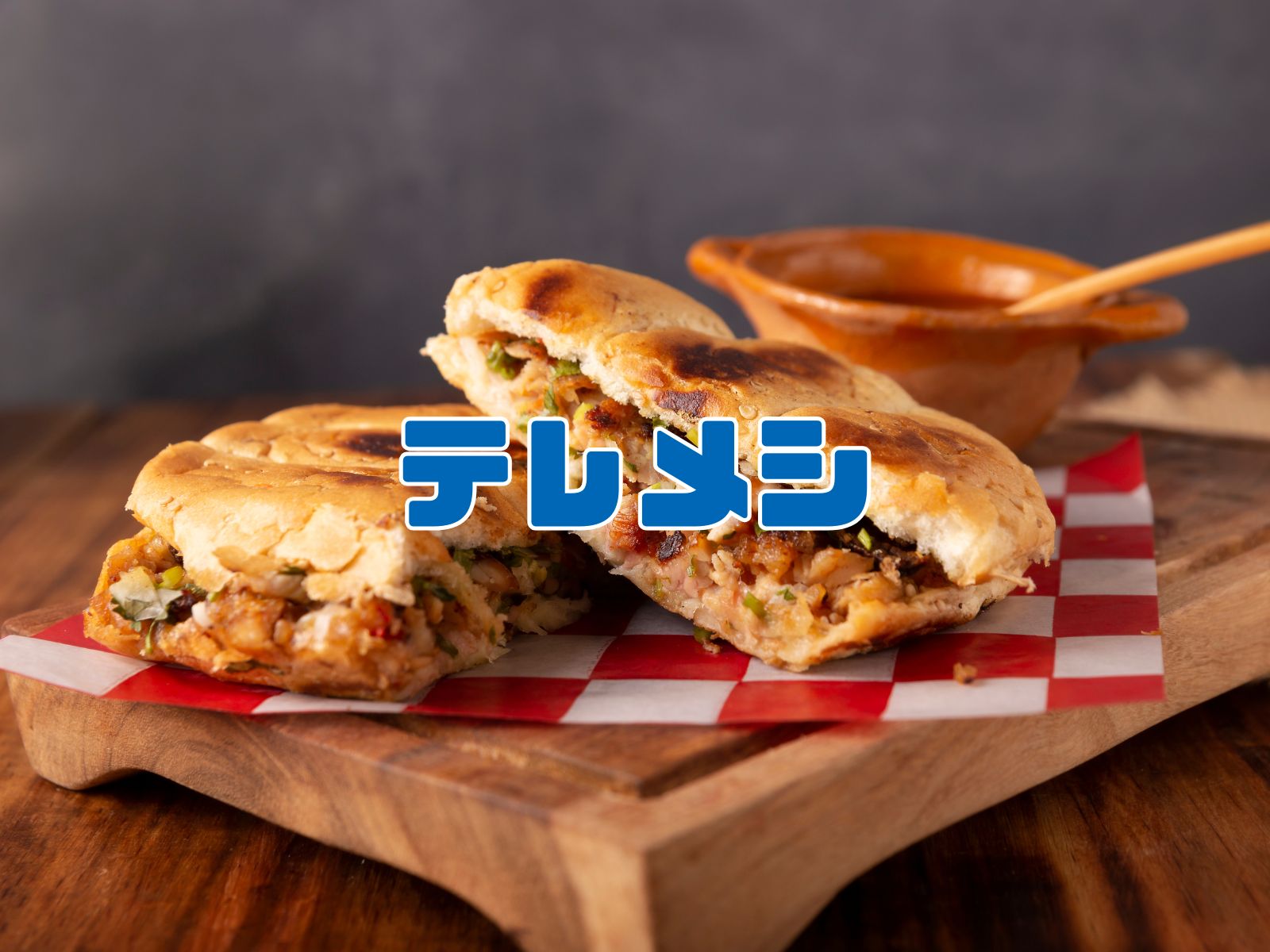
In recent years, alongside the diversification of working styles, the term "Telework" (テレワーク) has cemented itself in modern vocabulary.
Promoting flexibility and autonomy, remote work has restructured how we balance professional duties and domestic life. Paralleling this shift, a new lifestyle word has entered the spotlight: "Telemeshi" (テレメシ).
This article provides a comprehensive guide to "Telemeshi"—exploring its definition, etymological origins, lifestyle pros and cons, real-world examples, and future wellness trends.
Definition of "Telemeshi"
Imagine working on a breezy balcony while enjoying a fresh, homemade lunch. That is the essence of "Telemeshi" (テレメシ)!
Telemeshi refers specifically to meals consumed at home or alternative locations while teleworking.
In traditional office environments, employees relied heavily on corporate cafeterias or commercial lunch venues. The rise of remote work, however, has dramatically shifted dining habits back into domestic spaces.
"Telemeshi" encompasses not only home-cooked dishes but also takeout boxes, food deliveries, and simple, quick snacks eaten at the desk.
The popular NHK television program *Salameshi* (サラメシ—"Salaryman's Lunch") has featured various remote workers' "Telemeshi" habits, offering a fascinating window into how modern professionals fuel themselves outside the corporate office.
Origins and Timeline of the Term
While the coining of "Telemeshi" remains undocumented, its proliferation is directly tied to the global shifts of 2020.
As teleworking became the norm, the portmanteau "Telemeshi" (a blend of "telework" and "meshi"—the Japanese word for meal) began trending across Japanese media and social networks like Twitter/X.
Advantages and Disadvantages of Telemeshi
Telework dining offers substantial lifestyle benefits but also presents unique mental challenges. Here is a comparative analysis:
| Advantages (利点) | Disadvantages (欠点) |
|---|---|
| High Autonomy: Complete freedom over when you eat, where you sit (e.g., balcony), and what custom dishes you cook. | Social Isolation: Bypassing lunch with coworkers can erode workplace camaraderie and trigger feelings of loneliness. |
| Financial Savings: Cooking at home or buying local takeout is significantly cheaper than eating at expensive business-district restaurants. | Meal Prep Overhead: Sourcing, preparing, and cleaning up after lunch takes physical time and effort during the workday. |
| Health Control: Preparing meals in your own kitchen allows precise control over nutrition, calories, and organic ingredients. | Loneliness: Eating solitary meals day after day can feel isolating for extroverts who thrive on office energy. |
| Time Optimization: Eliminating transit time to restaurants allows you to utilize your lunch break for quick household chores or rest. | Work-Life Blurring: Eating at the exact same desk where you work makes it difficult to mentally switch off and recharge. |
As shown, Telemeshi delivers incredible convenience, diet control, and financial savings. However, managing isolation and maintaining boundaries are critical.
To overcome these limits, remote workers are actively developing habits like hosting "virtual lunch dates" with peers or stepping away from their desks to enjoy a genuine screen-free refresh.
Real-World Examples of Telemeshi
Practical examples of Telemeshi are highly diverse and creative. One remote worker went viral by combining black rice, shredded cabbage, a fried egg, and sausages into a single bowl, naming it the "This is all I need bowl" (こういうのでいいんだよ丼).
Others share gourmet quick-fixes online—ranging from steaming Nagoya-style miso nikomi udon and savory mackerel-spinach curry to high-speed chicken char siu fried rice.
Future Horizons and Emerging Services
As remote work becomes a permanent fixture of global corporate structures, Telemeshi is driving major changes in food tech and employee benefits:
- Specialized Telemeshi Meal Services
The emergence of subscription-based meal delivery services specifically optimized for remote workers.
AI-guided meal-prep kits designed around an individual's caloric needs and health goals will see massive demand. - Corporate Telemeshi Subsidies
Progressive companies are expanding traditional "office lunch stipends" into remote food delivery credits, supporting employee wellness, retention, and BOH productivity. - Next-Gen Social Virtual Rooms
The evolution of immersive virtual lounges or "metaverse cafeterias" where remote colleagues can gather to eat lunch, chat casually, and maintain company cohesion. - Remote Nutritional Coaching
Dedicated apps providing dietitian-approved 10-minute recipes and active telehealth nutritional guidance tailored to inactive, home-based lifestyles. - Local Economic Stimulation
Neighborhood cafes and bistros targeting local teleworkers with customized lunch-box deals and targeted deliveries, shifting economic activity from corporate centers to residential suburbs.
These advancements prove that Telemeshi is far more than a passing lunch trend; it is a structural force reshaping real estate, food distribution, corporate welfare, and local economies.
Related Concepts
To fully understand the remote work landscape, it is helpful to recognize these related terms:
- Telework: The practice of working remotely using telecommunication technologies.
- Remote Work: A highly synonymous term for telework, emphasizing physical distance from the main office.
- Online Lunch: Sharing a digital video call with colleagues while eating your respective meals to maintain friendship.
- Food Delivery: App-based logistics networks (e.g., UberEats, Wolt) delivering restaurant dishes straight to your door.
Conclusion
In conclusion, "Telemeshi" is an exciting, healthy dining evolution born out of the remote work revolution. Delivering high autonomy, substantial financial savings, and superior health choices, it is highly valued by modern professionals.
While managing screen boundaries and social connection remain hurdles, ongoing innovations in food delivery and community software promise to elevate the Telemeshi experience, making it a cornerstone of 21st-century lifestyles.
About "Telemeshi (テレメシ - Tele-Work Meals: Remote dining habits, work-life balance, and wellness delivery trends in Japan)"
This page provides the English definition and usage guide for the professional term "Telemeshi (テレメシ - Tele-Work Meals: Remote dining habits, work-life balance, and wellness delivery trends in Japan)." If you have any suggestions, feedback, or corrections regarding our terminology articles, please feel free to reach out via our contact form.