B-Kanya (B勘屋 - B-Kanya: Under-the-counter tax evasion schemes, fake invoice sellers, and Japanese legal penal codes)
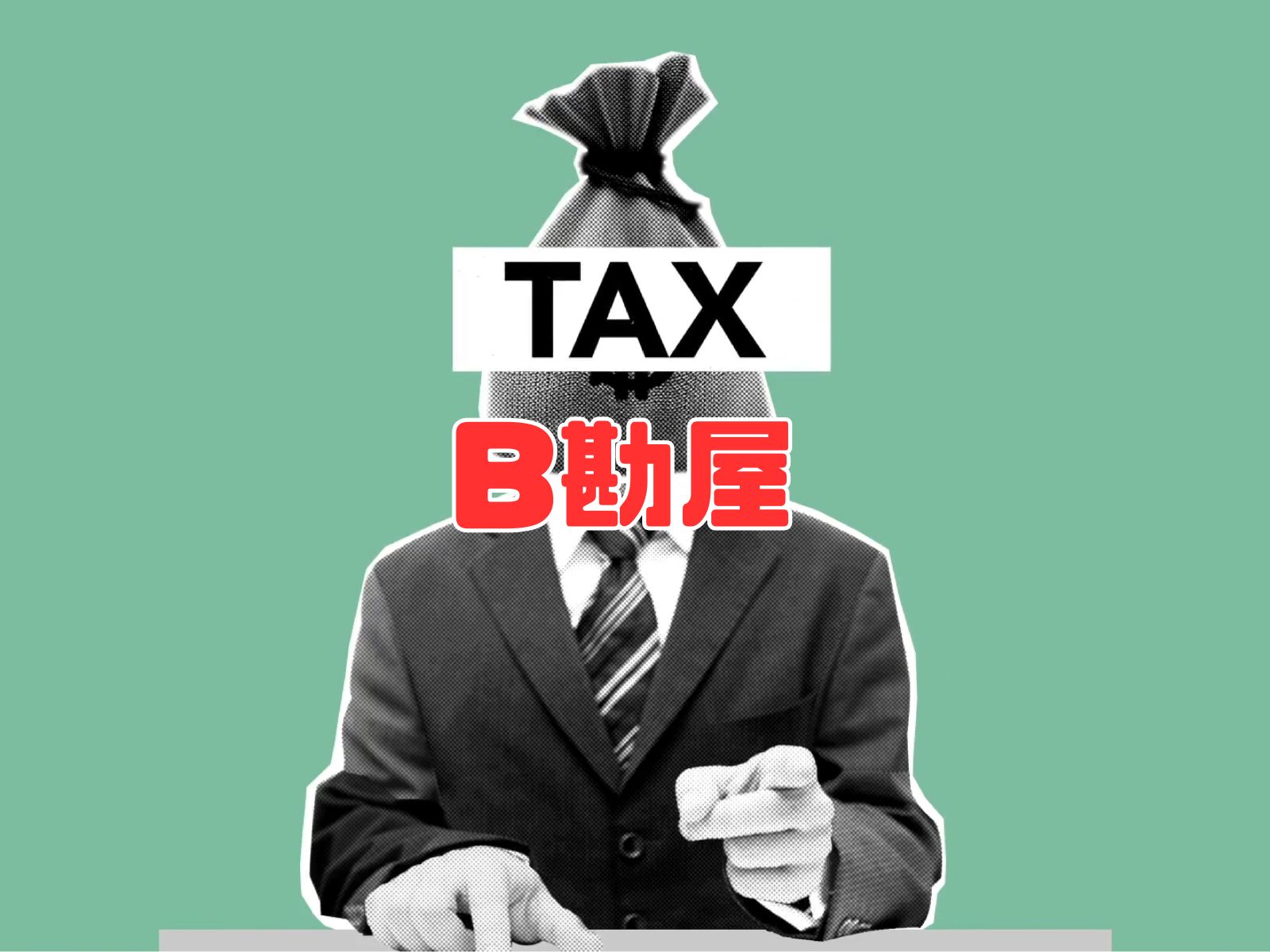
"B-Kanya" (B勘屋) refers to underground brokers who sell fake receipts (invoices) to corporations to help them inflate their business expenses and illegally reduce their tax liabilities.
The receipts provided by these illicit operators are known as "B-Kan" (B勘), which originates from tax office jargon. Historically, tax inspectors distinguished authentic receipts as "A-Kan" (A勘) and fraudulent ones as "B-Kan" (B勘).
To evade tax office inspections, B-Kanya employ highly sophisticated methods, such as utilizing bankrupt corporations or fake paper companies with no actual business operations.
In many typical cases, they establish a shell corporation, sell fake receipts for a few percentage points of the invoice's face value, and then deliberately bankrupt or dissolve the corporation after a short period.
Legal Penalties Against B-Kanya
Operating as a B-Kanya directly abets tax evasion and constitutes a serious violation of the Act on Punishment of Tax-Related Crimes (租税犯処罰法).
Japanese tax laws penalize not only the direct tax evaders but also those who actively facilitate or abet the tax evasion process.
Specifically, Article 69 of the Act states: "Any person who, knowing that their actions will lead to an illegal reduction of tax base or fraudulent increase of refund regarding Income Tax, Corporation Tax, or Inheritance Tax through deception or other wrongful acts, provides convenience such as filing, requesting, or creating documents for such reduction or increase, shall be punished by imprisonment with work for not more than 10 years, a fine of not more than 10 million yen, or both."
By providing fake invoices, B-Kanya activities fall squarely under this severe penal code.
Simply put, helping someone cheat on their taxes carries a potential penalty of up to 10 years in prison or a fine of up to 10 million yen.
Furthermore, if the B-Kanya operates under a corporate structure, they may be prosecuted under the Corporation Tax Act (法人税法).
Article 74 of the Corporation Tax Act stipulates that "Any person who evades corporate tax or receives fraudulent tax refunds through deception or other wrongful acts shall be punished by imprisonment for up to 10 years, a fine of up to 10 million yen, or both."
B-Kanya Practices in Real Estate Transactions
B-Kanya are also known to facilitate tax evasion in the real estate sector by generating fake receipts to manipulate transactions. Common examples include:
- Creating fake invoices that artificially inflate real estate brokerage fees or building renovation expenses.
- Providing dummy receipts for fictitious building repairs to minimize rental income figures on paper.
- Generating fraudulent appraisal reports to artificially inflate the value of a property used as collateral for loans.
The Deceptive "Benefits" and Real Risks of B-Kanya
The only perceived "benefit" of utilizing B-Kanya is the immediate, illegal reduction of tax payments by artificially inflating expenses.
However, this is a highly illegal criminal act that invites severe legal penalties once discovered.
The critical risks and disadvantages include:
- Heavy Tax Penalties: If detected during tax audits, corporations face massive back tax liabilities, heavy additional taxes (Juukasanzei), and delinquency taxes.
- Criminal Prosecution: Corporate officers risk direct criminal prosecution, leading to prison sentences.
- Extortion and Blackmail: B-Kanya operators hold the leverage of the illegal transactions, frequently extorting the utilizing business into buying more expensive fake receipts.
- Total Loss of Corporate Trust: News of tax fraud instantly destroys the company's market reputation and financial credibility.
Real-world Trouble Cases
Typical cases involving B-Kanya traps include:
- A company utilized fake receipts purchased from a B-Kanya, which were quickly exposed during a tax audit, resulting in massive back-tax penalties.
- A business paid B-Kanya fees but the operator failed to deliver the receipts, leading to direct financial losses with no legal recourse.
- B-Kanya operators gained insights into a firm's weak financial situation and used it to threaten, blackmail, or extort the business owners.
Current Status and Regulatory Outlook
With the spread of the internet, B-Kanya operations have become increasingly digitized and sophisticated. Concurrently, tax authorities have significantly upgraded their auditing capabilities, leading to much higher detection rates for fraudulent invoices.
Some business owners are driven to use B-Kanya due to dissatisfaction with tax rates or a lack of understanding of public duties.
However, engaging B-Kanya carries extreme risks. Paying appropriate taxes is a fundamental corporate social responsibility. Businesses must prioritize sound, transparent management instead of risking criminal activities.
Recommended Reference Materials
For those interested in exploring the details of B-Kanya systems, the following book serves as an excellent reference:
- "B-Kan Ari!" (B勘あり! - B-Kan Exists!) by Mayumi Iida – An insightful novel depicting the realistic operations and crackdowns of B-Kanya.
Conclusion
B-Kanya represents an illegal structure that systematically damages public tax collection by supplying fake receipts.
Utilizing their services constitutes a severe corporate crime carrying severe penal and financial liabilities.
Corporations must avoid these fraudulent schemes and implement legitimate tax optimization processes under the advice of certified public tax accountants.
The operations of B-Kanya cause severe harm to the economy as a whole.
Unlawful tax evasion degrades public revenues, disrupting the maintenance of essential social security and public services. Furthermore, it forces compliant corporations into unfair market competition, hindering healthy economic development.
Eradicating B-Kanya requires not only the enhancement of tax office auditing capabilities but also a strong ethical commitment from business executives. Strengthening compliance and maintaining high corporate ethics is the ultimate solution to eliminating underground tax evasion networks.
About "B-Kanya (B勘屋 - B-Kanya: Under-the-counter tax evasion schemes, fake invoice sellers, and Japanese legal penal codes)"
This page provides the English definition and usage guide for the professional term "B-Kanya (B勘屋 - B-Kanya: Under-the-counter tax evasion schemes, fake invoice sellers, and Japanese legal penal codes)." If you have any suggestions, feedback, or corrections regarding our terminology articles, please feel free to reach out via our contact form.