Shigodeki (しごでき - Highly Competent Worker: Origin in Hospitality Jargon, Modern Business Adaptations, and Personality Traits)
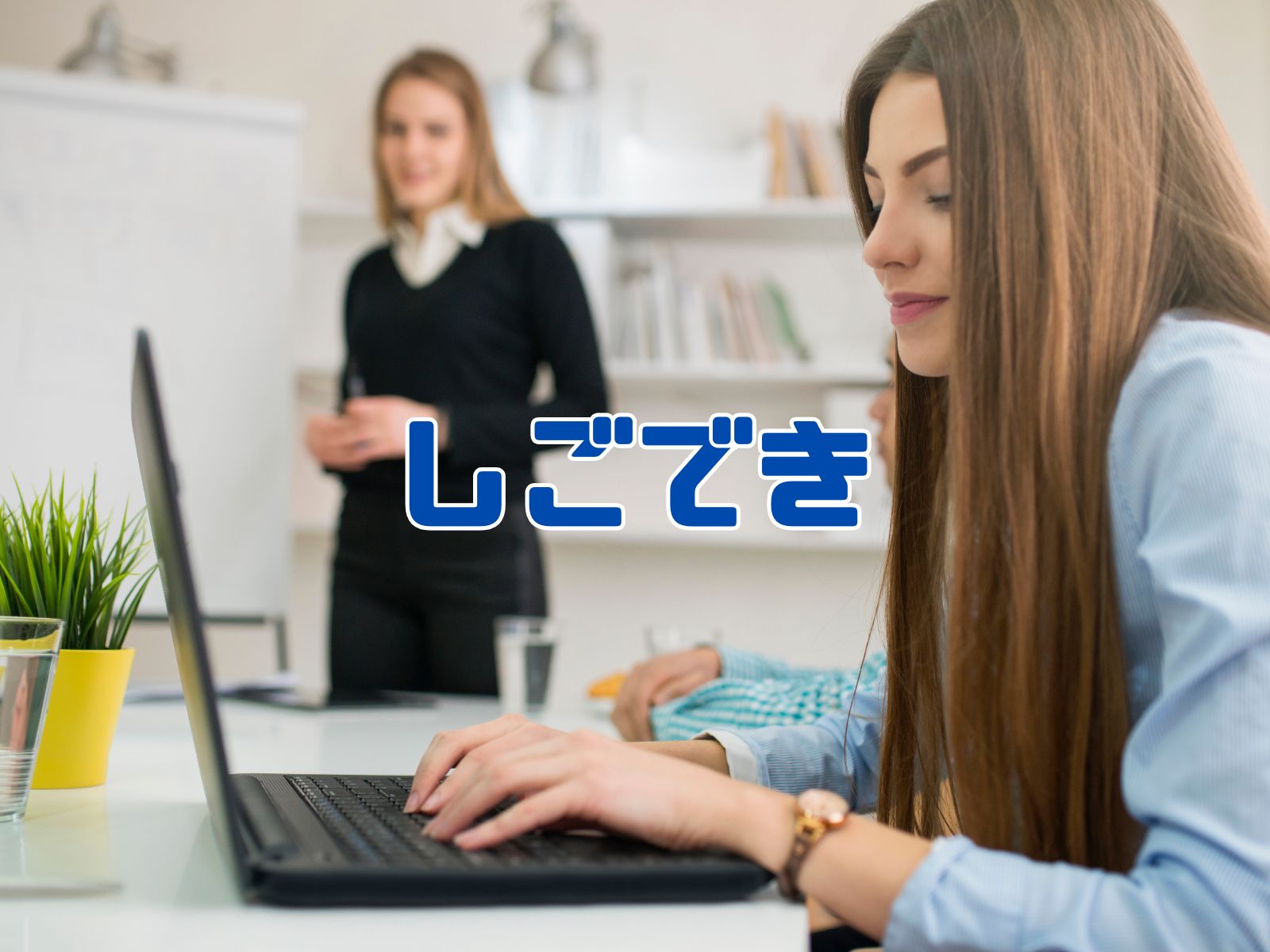
In modern Japanese culture, the widely utilized slang word "Shigodeki" (しごでき) serves as a highly positive abbreviation for the phrase "Shigoto ga Dekiru" (仕事ができる - meaning "capable of doing work exceptionally well").
It is deployed to praise highly efficient individuals who consistently deliver superior results, manage complex tasks seamlessly, and earn the absolute trust of their peers.
"Shigodeki" in the Professional Business World
Within corporate environments, a "Shigodeki" professional is celebrated not merely for their speed and accuracy in routine tasks, but for a comprehensive suite of advanced soft skills—including high emotional intelligence, proactive problem-solving capabilities, stellar communication skills, and natural leadership presence.
"Shigodeki" in Everyday Casual Conversations
Conversely, in daily social interactions, the term is not strictly limited to corporate work. It is frequently used to praise friends, family, or romantic partners who organize daily activities with brilliant efficiency.
For example, a friend who coordinates a massive group party flawlessly, or organizes a detailed vacation itinerary down to the second, is routinely praised by peers as a "Shigodeki" individual.
The Fascinating Origin of the Term
While its exact linguistic emergence is slightly fluid, a prominent theory suggests that "Shigodeki" originally emerged as specialized backstage jargon within the nightlife and host/hostess industries (Mizu-shobai).
In these high-pressure, competitive entertainment sectors, staff members who possessed peerless customer service skills, rapid psychological intuition, and high emotional intellect were highly praised by managers as "Shigodeki."
Around 2019, the term leaked into general youth slang, expanding rapidly across social media. By 2022, it appeared in popular television dramas based on manga series, permanently cementing "Shigodeki" in mainstream national vocabulary.
*(Interestingly, while "Shigodeki" stands for competent work, the homophone "Shigo" (私語) in classical Japanese traditionally translates to whispering or speaking in private).*
Synonyms and Antonyms of "Shigodeki"
Synonyms
Key synonyms describing competent individuals include:
- Yuno (有能 - Capable / Competent): A formal, direct equivalent, denoting high intelligence and advanced skills.
- Unekiki (腕利き - Skilled Hand / Expert): Emphasizes high technical mastery or exceptional specialization in a specific trade.
- Binwan (敏腕 - Sharp / Capable Hand): Denotes swift, sharp action and highly decisive execution capabilities.
- Dekiru (デキる - Gets Things Done): A slightly older but highly popular, casual equivalent of being competent.
- Yushu (優秀 - Excellent): Denotes overall scholastic or professional excellence across a broad range of criteria.
Antonyms
Key opposing concepts denoting incompetence include:
- Tsukaenai (使えない - Useless / Ineffective): The most common casual antonym, indicating a person fails to be helpful.
- Muno (無能 - Incompetent): A harsh, formal equivalent, denoting a complete lack of functional ability.
- Bukyō (不器用 - Clumsy / Inept): Denotes a lack of dexterity, grace, or social tact in handling daily scenarios.
Practical Dialogue Examples
In Business Scenarios:
- "A-san is truly shigodeki; I can always rely on her to deliver."
- "If we assign this complex project to the shigodeki B-san, it will be perfectly safe."
- "C-san handles everything from slide design to client negotiations, he is absolute shigodeki."
In Everyday Social Life:
- "D-san always organizes the best surprise parties; she is incredibly shigodeki."
- "E-san cooks beautifully and manages household budget logistics perfectly—she is a true shigodeki woman."
Evolution in the Modern Era
In modern Japanese society, the defining criteria of a "Shigodeki" individual have shifted dramatically away from raw, mechanical speed toward a multi-dimensional set of values:
- Emphasis on Empathy and Teamwork:
In today's highly interconnected, digital workspaces, hoarding tasks is seen as a risk. A modern "Shigodeki" worker is someone who communicates transparently, elevates their team, and fosters psychological safety. - High Agility and Adaptability:
With rapid technological changes, a "Shigodeki" professional is defined by their willingness to learn new tools, absorb diverse data, and adapt fluidly to market shifts. - Respect for Diversity:
A true modern leader respects global backgrounds, supports work-life harmony, and coordinates tasks while honoring different lifestyles and perspectives.
How to Cultivate a "Shigodeki" Mindset
To cultivate the highly valued skills of a "Shigodeki" professional, consider implementing the following daily habits:
- Clarify the Core Objective:
Always understand the "why" behind a task. Knowing the ultimate purpose maintains deep motivation and prevents wasted effort. - Set Structured Goals:
Break down large projects into manageable, time-bound targets to measure progress. - Foster Rapid Response Times:
Cultivate the habit of swift, polite communication (quick responses) to show respect for your client's and team's time. - Master Time Management:
Work backward from deadlines, prioritize tasks logically, and focus fully on the present workflow without distractions.
Conclusion
"Shigodeki" is a vibrant modern slang term that beautifully captures the evolving nature of personal and professional competence in Japan. Going far beyond simple task speed, it represents a highly respected blend of adaptability, emotional intellect, and collaborative leadership.
About "Shigodeki (しごでき - Highly Competent Worker: Origin in Hospitality Jargon, Modern Business Adaptations, and Personality Traits)"
This page provides the English definition and usage guide for the professional term "Shigodeki (しごでき - Highly Competent Worker: Origin in Hospitality Jargon, Modern Business Adaptations, and Personality Traits)." If you have any suggestions, feedback, or corrections regarding our terminology articles, please feel free to reach out via our contact form.