Machi-Sowa (Matinée and Soirée Double-Feature Theater Viewing)
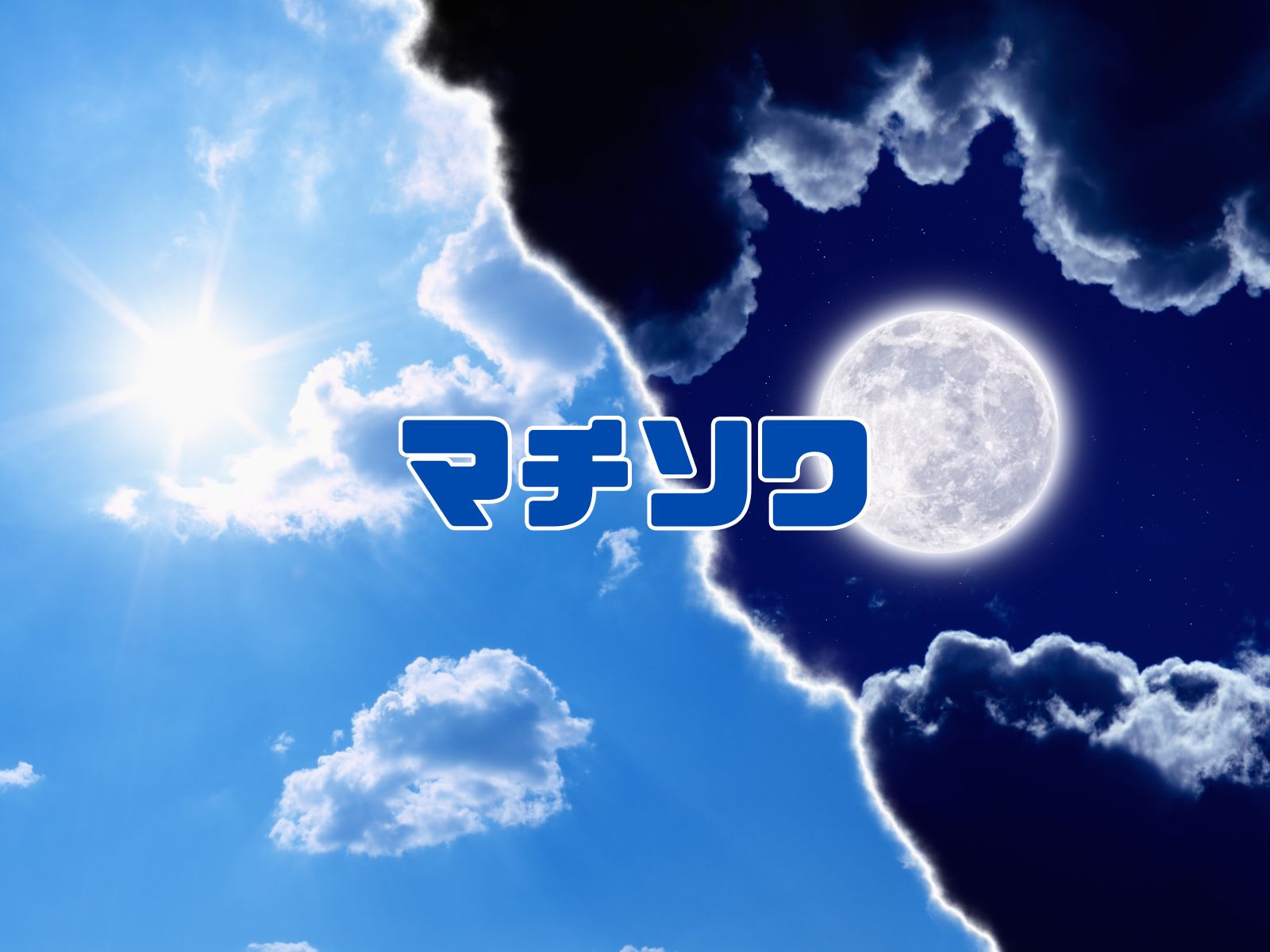
Are you familiar with the term "Machi-Sowa"?
If you are a fan of theater, particularly musicals, you might have heard it before. It is a relatively new term that has gained popularity in recent years.
However, while the compound word itself is new, the underlying concept has existed for a long time.
This article provides a comprehensive guide to the meaning, origins, historical context, and contemporary role of "Machi-Sowa" in modern society.
Meaning, Origin, and History of Machi-Sowa
"Machi-Sowa" is a Japanese portmanteau combining the French-derived theater terms "Matinée" and "Soirée".
- Matinée (マチネ): From the French word for "morning" or "forenoon." In theater terminology, it refers to a daytime performance.
- Soirée (ソワレ): From the French word for "evening" or "nighttime." In theater terminology, it refers to an evening performance.
Thus, "Machi-Sowa" refers to the practice of attending both the daytime (matinée) and evening (soirée) performances of a show on the exact same day.
These French terms began entering the Japanese lexicon during the Meiji period, an era of rapid modernization and Westernization.
During this time, Japan imported various cultural and scientific systems from Western nations, often adopting specific countries as models for different fields.
For instance, medicine was modeled after Germany, mechanical engineering after Great Britain, and the arts and theater after France. The prevalence of French vocabulary in Japanese performing arts is a direct reflection of this historical background.
It is important to note that "Machi-Sowa" is a unique Japanese coinage and is not understood in Western countries. It likely emerged within the tight-knit community of Japanese musical theater fans as a shorthand expression as the industry grew in popularity.
Usage, Context, and Practical Examples
"Machi-Sowa" is predominantly used among avid theatergoers.
It is particularly common among musical theater fans, whereas fans of traditional straight plays (non-musicals) tend to use it less frequently.
Here are common ways the term is used in conversation:
- "I'm going to Machi-Sowa today's performance of [Show Name]."
- "I spent the Machi-Sowa-kan (the break between the daytime and evening shows) resting at a nearby café."
- "Watching a show Machi-Sowa is fascinating because you can notice subtle differences in the actors' energy and conditioning."
As seen above, "Machi-Sowa" is often used as a verb ("to Machi-Sowa"). Furthermore, the term "Machi-Sowa-kan" specifically refers to the intermission hours between the daytime and evening performances.
For enthusiastic fans, pulling off a "Machi-Sowa" requires careful planning. Since popular shows often have highly competitive ticket sales, obtaining seats for both slots on the same day is a major feat. Additionally, fans must coordinate their meals, transit, and resting spots during the break to manage the physical demands of long viewing sessions.
Related and Synonymous Terminology
The most immediate related terms are "Matinée" and "Soirée", which serve as the building blocks of the compound.
Another related theatrical term is "Journée" (ジュルネ). In French, it means "daytime." In theatrical contexts with three daily performances, the morning show is the matinée, the mid-day show is the journée, and the night show is the soirée.
Additionally, theatrical productions rely on "Swings"—understudy actors who learn multiple roles to step in immediately in case of sudden injury or illness. Many productions also feature "Double Casts" or "Triple Casts", where different actors play the lead roles depending on the performance. Knowing these terms adds to the enjoyment of "Machi-Sowa," as fans can compare different cast dynamics on the same day.
Why "Machi-Sowa" Developed and Its Cultural Significance
The rise of "Machi-Sowa" as a popular concept is driven by several modern cultural shifts:
- Growth of the Musical Industry
The popularity of large-scale musicals in Japan has surged. To meet demand, productions frequently run double-show days, creating the physical environment for fans to engage in Machi-Sowa. - The Influence of Social Media (SNS)
Platforms like Twitter/X and Instagram allowed theater communities to share reviews instantly. The term "Machi-Sowa" quickly spread online as fans documented their intensive theater days. - Evolving Fan Mindsets
While traditional audiences might attend a show once, modern fans actively seek out repeat viewings to catch minor details, cast variations, and differing performance nuances. A Machi-Sowa viewing offers a unique opportunity to compare how a cast adjusts their pacing, ad-libs, and vocal energy between the afternoon and evening slots. - The Rise of "Oshi-katsu"
The booming culture of "Oshi-katsu" (supporting one's favorite performer or character) strongly encourages fans to attend as many shows as possible. Machi-Sowa represents the ultimate expression of dedication to one's "Oshi" (favorite performer).
In modern society, "Machi-Sowa" has transcended simple industry jargon to serve broader functions:
- A Community Shorthand
It acts as a shared vocabulary that instantly communicates a high level of enthusiasm and shared experience within the fan community. - Pioneering a Dynamic Viewing Style
It promotes a more active, analytical way of enjoying live theater—focusing on the subtle, ephemeral variations of live performance. - Boosting the Theater Economy
By encouraging repeat attendance, the culture of Machi-Sowa directly supports production revenues and contributes to the vitality of the performing arts industry.
"Machi-Sowa" as a Physical Space
Beyond its theatrical definition, "Machi-Sowa" is also the name of a popular café in Osaka. Located on the first floor of the Ogimachi Museum Cube theater complex, this café serves as a welcoming community hub where theatergoers, actors, and locals can gather, enjoy beverages, and converse about the arts.
Conclusion
This article explored the rich context surrounding the term "Machi-Sowa."
Representing the dual viewing of daytime and evening shows, Machi-Sowa has rapidly integrated into the Japanese theater lexicon, fueled by the musical boom, social media, and evolving fan cultures. It remains a key symbol of the passion and dedication defining modern Japanese performing arts fans.
About "Machi-Sowa (Matinée and Soirée Double-Feature Theater Viewing)"
This page provides the English definition and usage guide for the professional term "Machi-Sowa (Matinée and Soirée Double-Feature Theater Viewing)." If you have any suggestions, feedback, or corrections regarding our terminology articles, please feel free to reach out via our contact form.