Sanban Check (3番チェック - Japanese Hospitality Jargon: Restroom Maintenance, Cleanliness Protocols, and Secret Staff Communication Slang)
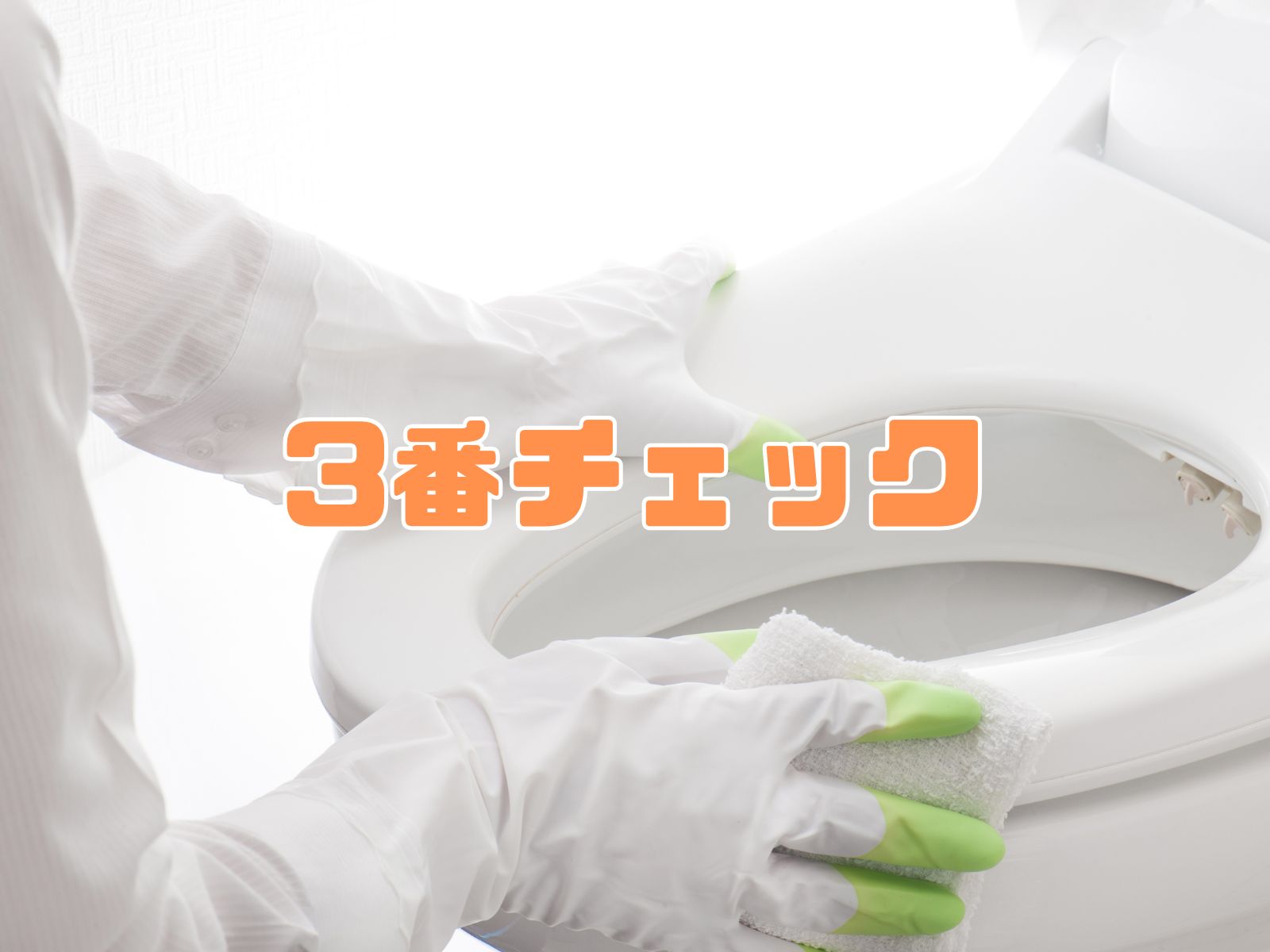
"Sanban Check" (3番チェック - meaning "No. 3 Check") is a widely utilized Japanese hospitality and retail industry slang term that functions as a discrete code for a restroom inspection and maintenance check.
Specifically, it refers to the essential staff duty of checking whether the guest toilets are perfectly clean, ensuring that vital supplies are fully stocked, and addressing any maintenance issues.
Why is it Referred to as "No. 3"?
While the exact origins of using "No. 3" to denote a restroom are not officially documented, several highly logical theories exist in Japanese business culture:
- The Break Queue Hierarchy Theory (Most Prominent):
In many department stores and restaurants, staff activities are numbered to allow discrete communication over walkie-talkies. Typically, "No. 1" represents a meal/lunch break, "No. 2" denotes a short 15-minute rest, and "No. 3" stands for a restroom break. Thus, checking the restroom naturally became known as the "Sanban Check."
*(Note: This numbering system is widely shared across retail hubs, boutique department stores, and food service venues throughout Japan).*
- The Visual Shape Theory: The physical shape of the number "3" is thought to resemble a toilet seat outline, or the profile of a person in a seated posture.
- The C-Initial Theory: Because the letter "C" is the third letter of the English alphabet, "No. 3" was adopted to stand for the initials of "Water Closet" (toilet) or the word "Clean."
- Specialized Backstage Codes: Used as a discrete jargon in nightlife and entertainment venues to manage guest facilities without causing awkwardness.
The Operational Meaning of "Check"
Here, "Check" means conducting a systematic inspection.
Staff members verify that the restroom facilities are thoroughly hygienic, ensure that essential supplies like toilet paper and paper towels are fully stocked, and perform light cleaning or replenishment as required.
The Core Objectives of a Sanban Check
Conducting a regular Sanban Check serves several critical business and operational goals:
- Hygiene and Sanitation Control:
Maintaining pristine toilet facilities to ensure a comfortable and sanitary experience for every guest. - Elevating Customer Satisfaction:
The cleanliness of an establishment's restroom directly dictates the guest's overall impression of the brand. A pristine restroom heavily boosts customer retention. - Preventing Minor Complaints:
Ensuring supplies never run out, thereby preventing awkward or frustrating experiences for customers. - Loss Prevention and Security:
Regular checks help staff detect suspicious packages, prevent the installation of illicit cameras, discourage vandalism, and prevent the theft of store supplies.
The Complete Sanban Check Checklist
While the exact steps vary by establishment, a professional Sanban Check generally incorporates the following duties:
- Spot Cleaning:
Wiping down the toilet bowls, sweeping floors, wiping walls, and cleaning the sink basin. - Supply Replenishment:
Restocking toilet paper rolls, hand soap dispensers, and disposable toilet seat covers. - Inventory Assessment:
Checking stock levels of paper towels, trash bags, and cleaning agents to ensure they do not run short. - Odor and Ventilation Control:
Checking ventilation fans and spraying deodorizers to ensure a fresh, pleasant scent. - Lost and Found Verification:
Checking for any personal items left behind by guests. - Safety & Damage Assessment:
Inspecting mirrors, handles, and plumbing for any cracks, leaks, or malfunctions, and reporting any suspicious unattended items.
Practical Dialogue Examples in the Workplace
-
"Suzuki-san, it is time for a Sanban Check."
Reminding a colleague that it is their scheduled turn to inspect and clean the restrooms. -
"Who is assigned to the Sanban Check next?"
Confirming the staff rotation for restroom maintenance. -
"Please report to me once you have finished the Sanban Check."
Instructing an employee to log their restroom inspection. -
"During my Sanban Check, I restocked all the toilet paper rolls."
Informing the team of supply updates completed during the inspection. -
"Sanban Check completed. No abnormalities found."
Reporting a successful inspection with no maintenance or security issues. -
"I cleaned a spill on the sink during my Sanban Check."
Sharing details of spot-cleaning actions performed to maintain standards.
The Importance of Discrete Jargon
It is vital to remember that "Sanban Check" is strictly professional backstage jargon.
Announcing a "toilet cleanup" loudly in front of dining guests can ruin the premium atmosphere or cause embarrassment. Using "Sanban Check" allows the staff to coordinate hygiene logistics smoothly, discreetly, and professionally without disrupting the customer experience.
Keep in mind that while widely used, codes can vary, and some establishments may employ different numbers or terms.
About "Sanban Check (3番チェック - Japanese Hospitality Jargon: Restroom Maintenance, Cleanliness Protocols, and Secret Staff Communication Slang)"
This page provides the English definition and usage guide for the professional term "Sanban Check (3番チェック - Japanese Hospitality Jargon: Restroom Maintenance, Cleanliness Protocols, and Secret Staff Communication Slang)." If you have any suggestions, feedback, or corrections regarding our terminology articles, please feel free to reach out via our contact form.