Fatal (ファタール - Fatal: Etymological origins, literary analysis of Femme Fatale, and pop culture references)
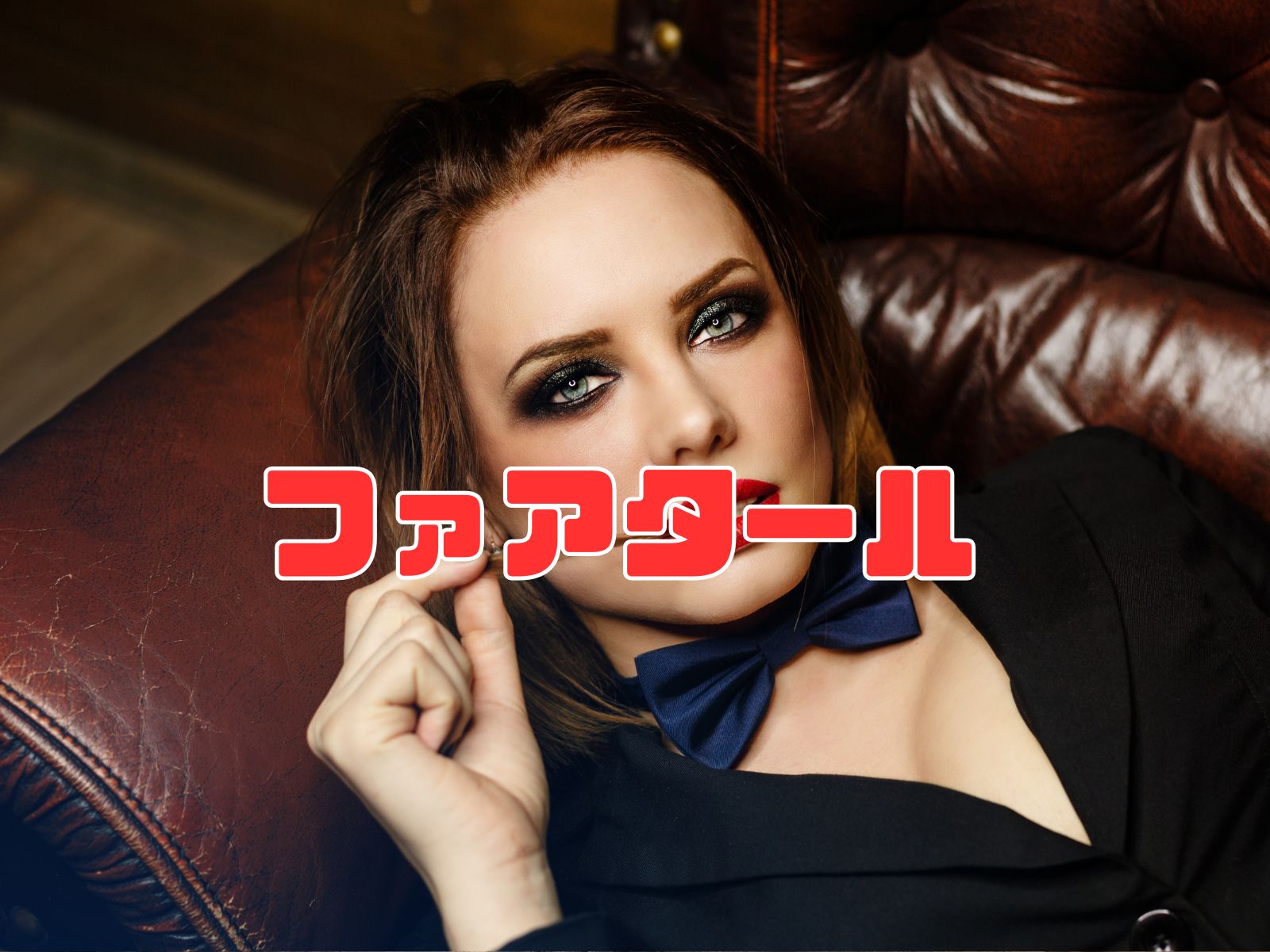
This article provides a comprehensive guide to the Japanese loanword "Fatal" (ファタール), exploring its linguistic meanings, etymological origins, historical-literary frameworks, and its evolving footprint in modern pop culture.
Meaning of "Fatal"
"Fatal" (transliterated as Fataaru in Japanese) is a French-derived loanword originating from the adjective "fatal," representing concepts of "destined," "disastrously decisive," "deadly," or "unavoidable."
In common Japanese usage, it is specifically employed to imply a dark destiny leading toward ruin, or to foreshadow a disastrous final outcome.
Typical usage examples:
- "He committed a fatal error, costing them the championship game."
- "Their unexpected encounter marked the beginning of a fatal romance."
Etymological Origins
The etymological roots of "fatal" trace back to the Latin adjective "fatalis," meaning "decreed by fate" or "belonging to destiny."
Delving deeper, it originates from the Latin noun "fatum" (fate / prophetic utterance).
In ancient Roman mythology, fate was envisioned as a thread spun by the Fates (Parcae), which human will could never hope to break or alter.
The word "fatal" continues to bear the heavy weight of this classical, inescapable Roman concept of destiny.
Grammatical Applications in Context
In modern Japanese writing, "Fatal" is applied across three primary contexts:
- Inescapable Destiny or Fate: Used to express encounters or turning points in life that feel entirely governed by an invisible force, as seen in the phrase "a fatal meeting." It evokes the feeling of being guided by threads of fate.
- Lethal or Disastrous Results: Used to emphasize severe, life-threatening, or highly destructive outcomes, as in "the accident brought fatal consequences." It underscores the gravity of life-and-death crises.
- A Decisive Defect or Flaw: Used to point out a critical, system-breaking vulnerability, such as "a fatal defect in the product design." It describes bugs, planning mistakes, or severe issues that completely ruin the chance of success.
Comparative Analysis of Synonyms
While similar terms like destiny, fate, and doom represent predetermined outcomes, "fatal" (ファタール) is distinguished by its strong, dark, and ruinous undertones.
| Term | Definition | Aesthetic Nuance |
|---|---|---|
| Fatal (ファタール) | Destined, disastrously decisive, unavoidable | Highly negative, ruinous, or tragic finality |
| Destiny (デスティニー) | A grand lifelong target or ultimate destination | Possesses a positive, inspiring direction |
| Fate (宿命) | An inescapable path present since birth | Evokes a powerful, cosmic predetermined force |
| Fortune (運命) | Fluctuating forces shaping the course of life | Largely neutral, subject to change |
- Destiny (デスティニー): Generally implies a positive, noble future goal that an individual is meant to achieve.
- Fate (宿命 - Shukumei): Stresses a heavy, unalterable path determined since birth.
- Fortune (運命 - Unmei): Represents the neutral currents of life, which can turn positive or negative.
Antonyms of "Fatal"
Antonyms to the concept of "fatal" include accidental, fortunate, or preventable.
These terms stand in direct contrast to unalterable destiny, highlighting chance, luck, and personal agency.
- Accidental (偶然): Representing events occurring entirely by chance without a predetermined cause.
- Fortunate (幸運): Denoting highly positive, lucky, and unexpected blessings.
- Preventable (回避可能): Indicating that negative outcomes can be avoided through effort and proactive measures.
Historical and Cultural Frameworks
In cultural history, the concept of "fatal" achieved widespread popularity during the late 19th and early 20th centuries in Europe through the archetype of the "Femme Fatale."
Femme Fatale (ファム・ファタール)
A "Femme Fatale" represents a highly attractive woman who charms men, ultimately leading them to their ruin or tragic end.
In fin-de-siècle art, she was depicted as an icon of decadent, sensual allure, symbolizing societal anxieties and male fears regarding female empowerment.
Homme Fatale (オム・ファタール)
The masculine equivalent is the "Homme Fatale," representing an irresistibly charming man who draws women into destructive romances.
"Fatal" in Classical Literature
A classic literary example is Salome from Oscar Wilde's famous play Salome (and the biblical narrative), serving as the ultimate representation of a Femme Fatale.
"Fatal" in Film and Cinema
In cinema, the archetype is deeply rooted in the "Film Noir" genre, where mysterious women draw male protagonists into dangerous webs of crime.
Famous examples include Brigid O'Shaughnessy in The Maltese Falcon (1941) and the iconic characters in classic crime dramas.
Evolving Footprint in Modern Japanese Pop Culture
In modern Japanese pop culture, "fatal" remains a highly popular creative theme. For instance, the self-produced sister idol duo "femme fatale" (Kanano Senritsu and Sakina Tonchiki) utilizes the term as their name, delivering a modern aesthetic interpretation of the theme.
Furthermore, Mine Fujiko from the legendary anime series Lupin the Third represents Japan's most famous Femme Fatale. She constantly manipulates Lupin with her beauty and sharp intellect, bringing intense suspense and thrill to the story.
In cinema, the seductive appeal of co-starring actresses in the Matt Helm spy film series famously creates a distinctly "fatal" atmosphere.
Additionally, the popular Japanese hip-hop group Creepy Nuts (famous for the global hit "Bling-Bang-Bang-Born") features the lyric "The name of the femme fatale is Music" in their popular song "Gouhouteki Tobikata no Susume."
As demonstrated, the concept of "fatal" continues to cut across generations and cultures, sparking deep creative inspiration in diverse formats.
About "Fatal (ファタール - Fatal: Etymological origins, literary analysis of Femme Fatale, and pop culture references)"
This page provides the English definition and usage guide for the professional term "Fatal (ファタール - Fatal: Etymological origins, literary analysis of Femme Fatale, and pop culture references)." If you have any suggestions, feedback, or corrections regarding our terminology articles, please feel free to reach out via our contact form.