Frailty Signs (フレイル兆候 - Frailty Signs: Definition of pre-frailty, symptoms, J-CHS criteria, and geriatric prevention)
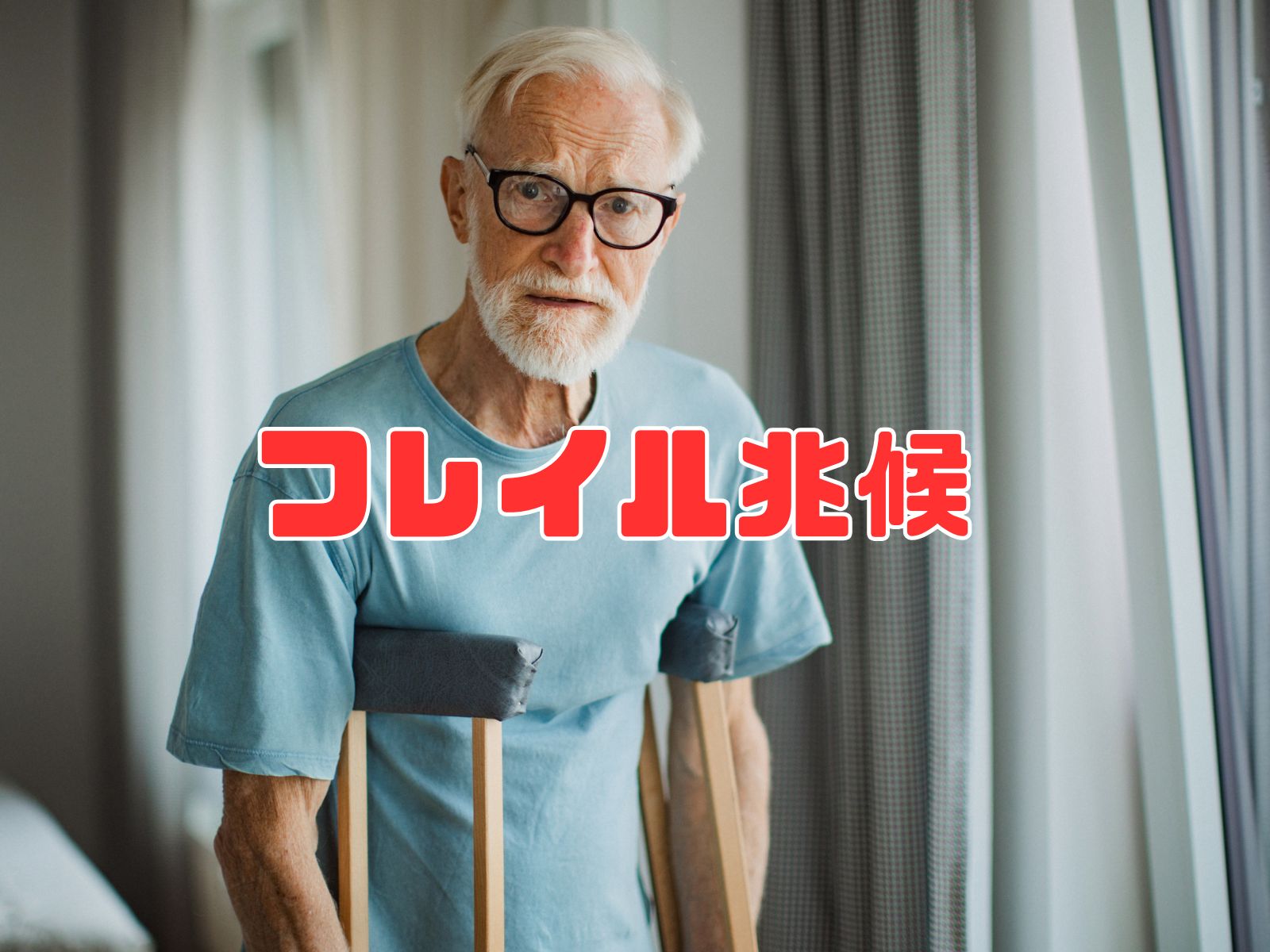
With the continuous advancement of aging societies globally, the term "Frailty" (フレイル) has gained significant attention in public health.
Frailty refers to a state of increased vulnerability to health stressors, driven by a decline in physical and mental vitality across multiple organ systems.
As people age, gradual declines in physical and cognitive capabilities are natural. However, extreme functional decline markedly escalates the risk of dependency and health complications.
Frailty serves as the critical transition zone between a healthy independent life and the state of requiring nursing care. Through proactive, timely interventions, this decline is highly reversible, enabling seniors to restore their lifestyle functions and physical independence.
The initial, warning stage leading toward full frailty is designated as "Frailty Signs" (フレイル兆候 - Fureiru Choukou) or "pre-frailty." Detecting these early symptoms and implementing appropriate therapeutic or lifestyle changes offers a powerful opportunity to revert to a robust, healthy state.
Definition of Frailty Signs
Frailty signs denote a state where age-related declines in physiological reserves significantly heighten the risks of negative health outcomes.
A decline in overall homeostatic backup capacity leaves the body highly vulnerable to stressors, substantially increasing the risk of infections, falls, fractures, hospitalization, and the need for nursing care.
Typical signs include chronic fatigue, slowed walking speed, muscle weakness, decreased physical activity, and involuntary weight loss.
These signs can manifest individually or in combination. The vital factor to recognize is that this pre-frail phase resides squarely in the reversible zone between robust health and dependency. With proactive care and lifestyle optimization, recovery is highly achievable.
The early stage of frailty signs is widely referred to as "Pre-frailty" (プレフレイル).
During pre-frailty, individuals begin exhibiting initial signs of physical frailty (such as muscle loss), psychological frailty (such as cognitive decline or depression), or social frailty (such as social isolation), increasing overall vulnerability.
Crucially, pre-frailty represents a highly reversible condition, and targeted geriatric care can successfully guide the individual back to active health.
Common Symptoms of Pre-frailty
Pre-frail states exhibit several characteristic symptoms in daily life:
- Loss of Culinary Enjoyment:
Due to age-related swallowing difficulties (dysphagia), decreased saliva secretion, or loss of appetite, meals may feel unappealing or difficult to consume, potentially leading to malnutrition. - Chronic Fatigue:
Coinciding with physical declines, a psychological drop in energy often triggers persistent, unexplained fatigue and low stamina. - Involuntary Weight Loss:
Losing weight without intentional dieting is a crucial warning sign. It often accelerates during later stages of frailty, indicating muscle wasting. - Loss of Motivation (Apathy):
Feeling too tired to engage in activities, avoiding outdoor walks, and withdrawing from social circles are common behavioral changes. - Decline in Physical Capabilities: Exhibited by loss of grip strength (e.g., struggling to open plastic bottle caps), slowed walking speed (e.g., finding it hard to cross a pedestrian crosswalk before the signal changes), and compromised balance.
These symptoms not only impair daily independent activities but also raise the danger of serious complications. Research also highlights that frailty signs are closely linked to the exacerbation of chronic conditions like diabetes, COPD, stroke, dementia, and multiple sclerosis.
Geriatric Distinctions: Frailty, Sarcopenia, and Locomotive Syndrome
Gerontology maintains distinct boundaries between three closely related concepts: Frailty, Sarcopenia, and Locomotive Syndrome:
- Frailty (フレイル): A multi-dimensional state of vulnerability covering physical, psychological, and social declines. It represents a broader concept that directly precedes dependency.
- Sarcopenia (サルコペニア): Specifically refers to the age-related loss of skeletal muscle mass, strength, and function. Sarcopenia represents the primary physical component of frailty.
- Locomotive Syndrome (ロコモティブシンドローム / Locomo): A state of mobility decline caused by disorders of the locomotive organs (bones, joints, muscles, and nerves). It directly hinders standing and walking, acting as a major driver toward frailty.
These conditions form a vicious cycle. For instance, sarcopenia-induced muscle weakness causes unstable gait, raising the risk of falls. A fall-induced fracture leads to prolonged bed rest, accelerating muscle loss and ultimately pushing the individual into severe frailty.
Prevention and Intervention Strategies
Preventing and reversing frailty relies on three fundamental pillars of active lifestyle habits:
- Nutrition and Diet:
Consuming a protein-rich, balanced diet is paramount to combat age-related muscle loss. Focus on incorporating high-quality proteins such as meat, fish, eggs, soy products, and dairy, alongside vitamins and minerals to maintain optimal cellular health. - Physical Exercise:
Regular, moderate physical activity is essential to preserve muscle mass and aerobic capacity. Light resistance training, balance exercises, and walking are highly effective. Even daily household chores and gardening serve as excellent physical activities. - Active Social Participation:
Maintaining strong social connections is vital for mental health and cognitive preservation. Engaging in community volunteering, local clubs, or hobby circles drastically reduces the risk of social isolation and cognitive decline.
Additional preventive factors include:
- Oral Health Care:
Declining oral functions (oral frailty) lead to poor chewing capacity and subsequent malnutrition. Daily brushing and regular dental checkups are vital. - Sensory Organ Maintenance:
Vision and hearing loss limit external communication and drive social withdrawal. Utilizing proper eyeglasses and hearing aids is crucial for maintaining daily activity. - Chronic Disease Management:
Ensuring proper medical management of pre-existing conditions like diabetes or hypertension keeps homeostatic backup capacity stable. - Infection Control:
Acute illnesses or severe respiratory infections can trigger a rapid decline in frail seniors. Practicing hand hygiene and getting recommended vaccinations are vital safeguards.
Gerontological Research Discoveries
Recent scientific studies highlight critical links between lifestyle and frailty:
- Oral Frailty and Malnutrition:
Slight declines in swallowing and chewing are strongly correlated with rapid drops in albumin levels, accelerating general frailty. - Social Media and Digital Socialization:
Studies suggest that active, moderate digital socialization (such as using messaging apps or social networks) helps seniors preserve cognitive stimulations and decreases social frailty risks. - Interactive Physical Interventions:
Geriatric research shows that gamified, interactive exercise interventions yield significantly higher improvements in balance and fall prevention compared to standard linear physical therapy. - Volunteering Benefits:
Regular volunteer activities among older adults have been shown to directly reduce feelings of loneliness and successfully extend healthy life expectancy. - Internet Usage and Sarcopenia:
Comparative research indicates that regular internet browsing has a robust negative correlation with sarcopenia development, likely due to enhanced information access and intellectual engagement.
Additionally, a large-scale clinical study conducted at a specialized university hospital analyzed 1,039 hospitalized senior patients. It discovered that 16.6% suffered from clinical geriatric frailty, a rate substantially higher than the 7.4% observed in community-dwelling seniors, underscoring the critical need for early inpatient screening.
Furthermore, a study by Flinders University analyzing 656 community-dwelling adults (aged 40 to 75) revealed that pre-frailty patterns begin developing as early as the 40s, highlighting the value of early-stage lifestyle adjustments, including balanced sleep and balanced diets.
Diagnostic Standards: CHS and Self-Checks
In clinical setups, the Japanese version of the Cardiovascular Health Study criteria (J-CHS criteria) is widely employed for diagnosing frailty, evaluating five primary metrics:
| Diagnostic Metric | Clinical Benchmark |
|---|---|
| Involuntary Weight Loss | Unintentional loss of ≥4.5 kg or ≥5% of body weight within 1 year |
| Subjective Exhaustion | Feeling that "everything is an effort" for ≥3-4 days per week |
| Slowed Gait Speed | Walking speed drops below standard thresholds (e.g., <1.0 m/s) |
| Weakened Grip Strength | Grip strength drops below demographic benchmarks (e.g., <28 kg for men, <18 kg for women) |
| Low Physical Activity | Engaging in zero light exercise or physical training in daily life |
Matching 3 or more metrics indicates clinical Frailty, while meeting 1 or 2 metrics is diagnosed as Pre-frailty.
Beyond CHS, standardized tools like the Kihon Checklist (a 25-item geriatric questionnaire) or the Eleven Check are utilized by municipal health services.
Seniors can also perform simple self-checks, such as the "Yubi-wakka" (Finger-ring) Test. By forming a ring with their thumbs and index fingers around the thickest part of their calf, they can assess muscle mass; if their fingers overlap easily leaving a gap, it indicates a high risk of sarcopenia.
Societal Impact of Geriatric Frailty
In aging demographics like Japan, frailty is a major driver behind rising nursing care requirements and escalating social security expenditures. Studies indicate that approximately 5% to 17% of community-dwelling older adults suffer from frailty. Preventing frailty is the primary policy priority to secure healthy life expectancy and maintain sustainable healthcare systems.
Conclusion
Frailty signs serve as a vital warning bell for senior health, but their highly reversible nature means early detection leads to successful recovery.
By practicing robust nutrition, regular exercise, active social engagement, and proper oral care, we can successfully maintain our health, secure physical independence, and enjoy a fulfilling life.
In our super-aging society, identifying these symptoms early through J-CHS criteria or simple self-checks like the "Yubi-wakka" test is paramount.
Optimizing nutrition, physical activity, and social connections serves as the ultimate vaccine to secure healthy longevity.
I hope this detailed geriatric guide assists you and your loved ones in achieving a robust, active future!
About "Frailty Signs (フレイル兆候 - Frailty Signs: Definition of pre-frailty, symptoms, J-CHS criteria, and geriatric prevention)"
This page provides the English definition and usage guide for the professional term "Frailty Signs (フレイル兆候 - Frailty Signs: Definition of pre-frailty, symptoms, J-CHS criteria, and geriatric prevention)." If you have any suggestions, feedback, or corrections regarding our terminology articles, please feel free to reach out via our contact form.