Ghost Restaurant
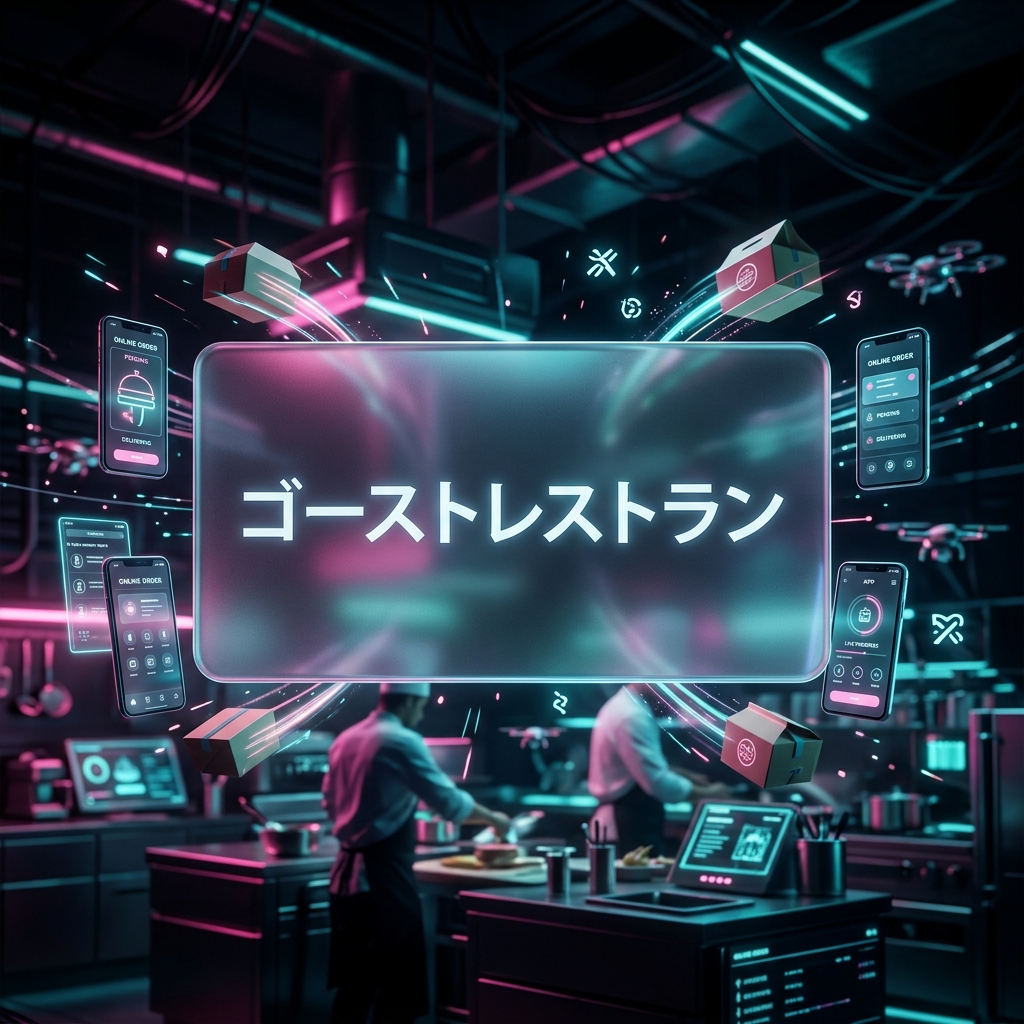
- Delivery-Only Model: A virtual dining concept that operates without physical seating areas or host services, fulfilling orders solely through delivery apps (e.g., Uber Eats).
- Exceptional Low-Risk Launch: Eliminates the need for expensive high-street commercial storefronts, dropping initial renovation budgets and front-of-house labor costs virtually to zero.
- One Kitchen, Multi-Brand Deployment: Enables operators to run multiple distinct virtual brands (e.g., a curry shop, a fried chicken shop, and a salad brand) simultaneously from a single kitchen footprint.
"Ghost Restaurant" (also referred to as a cloud kitchen, dark kitchen, or shadow kitchen) is a specialized food and beverage term denoting "a virtual dining establishment that completely lacks physical dining rooms, guest seating, or storefront signage, dedicating 100% of its resources to preparing and fulfilling food orders received exclusively via digital delivery platforms (such as Uber Eats)."
What is a Ghost Restaurant? Core Structural Differences from Traditional Dining
Traditionally, successful restaurants relied heavily on three pillars: premium real estate (e.g., street-level high-traffic storefronts), beautiful interior aesthetics, and warm, face-to-face customer service—requiring substantial upfront capital expenditures (tens of thousands of dollars).
Conversely, a Ghost Restaurant only requires access for delivery couriers. This allows operators to launch successfully in highly affordable low-rent spaces, such as building basements, narrow alleyways, or quiet residential zones. They are named "ghosts" because their storefronts exist solely as virtual listings on the internet, unseen in the physical neighborhood.
Practical Corporate Dialogue & Usage
Entrepreneur A: "I want to open a healthy acai bowl shop, but street-level rents around Shibuya cost over 1 million yen a month, and I simply can't afford the upfront security deposit."
Entrepreneur B: "Why not lease a shared kitchen in a Shibuya back-alley and launch as a delivery-only ghost restaurant? Your initial capital expenditures will be less than one-tenth, and if the menu doesn't trend, you can immediately pivot your kitchen assets to a completely different food concept overnight."
Traditional Restaurants vs. Ghost Restaurants
| Metric | Traditional Sit-Down Restaurant | Ghost Restaurant (Virtual Kitchen) |
|---|---|---|
| Location & Rental Cost | High-traffic street-level commercial properties (very high rent). | Back-alleys, upper building floors, shared culinary spaces (extremely low rent). |
| Labor & Operational Costs | Requires professional kitchen staff plus front-of-house host/wait staff. | Requires back-of-house kitchen staff only (zero front-of-house labor costs). |
| Brand Agility & Scaling | Single-brand, single-genre focus (re-branding requires expensive physical sign/interior updates). | Enables simultaneous multibrand testing and rapid concept pivots from a single kitchen footprint. |
Frequently Asked Questions (FAQ)
A: No, absolutely not. Lacking guest seating does not exempt them from statutory health laws. Legally, they must obtain standard food service establishment permits, pass inspections of their commercial kitchens, and maintain certified food protection managers on-site, just like traditional sit-down venues.
Etiquette and Operational Responsibilities in Virtual Dining
Because ghost restaurants have no physical signs, they face the risk of consumer skepticism regarding back-of-house sanitary standards. Consequently, sharing transparent updates—such as posting kitchen hygiene inspections and ingredient source data on digital listings—is essential virtual hospitality etiquette. Furthermore, operators must coordinate with delivery networks to prevent traffic bottlenecks, curb-side parking violations, and engine noise that can disrupt neighborhood communities.
Summary: Digital Bridges Dismantle the Physical Walls of Dining
The Ghost Restaurant paradigm represents a highly smart innovation, breaking open traditional concepts of brick-and-mortar storefronts. By lowering entry barriers, it establishes an ecosystem where passionate culinary artists can test concepts and scale brands based on culinary talent alone, serving as a landmark evolution of food service in the digital age.
About "Ghost Restaurant"
This page provides the English definition and usage guide for the professional term "Ghost Restaurant." If you have any suggestions, feedback, or corrections regarding our terminology articles, please feel free to reach out via our contact form.