Gyaru Peace (ギャルピ - Gyaru-pi Pose, IVE Rei K-POP Trend, and Heisei Nostalgia Revivals)
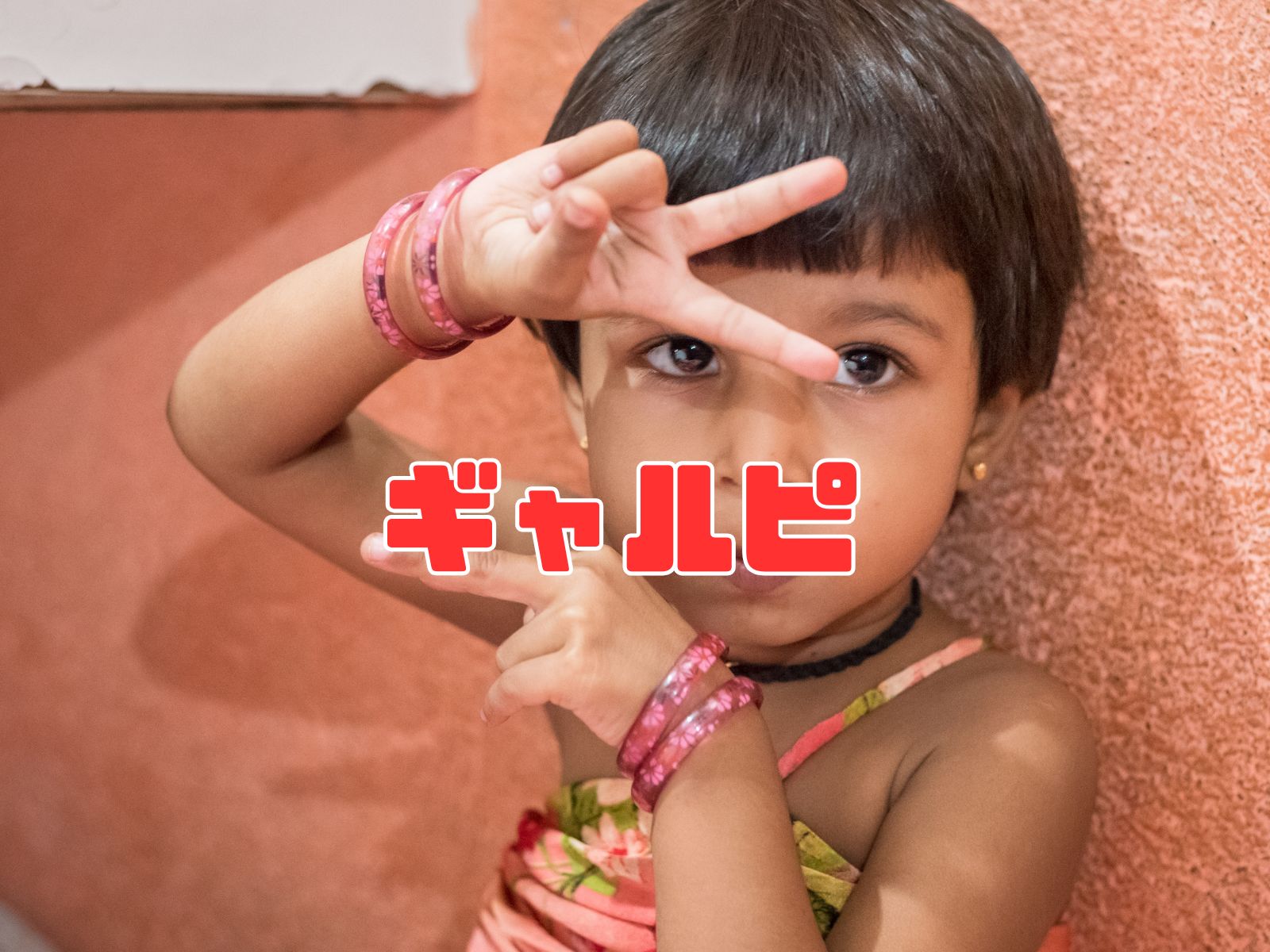
In recent years, the playful term "Gyaru-pi" (ギャルピ / ギャルピース - meaning "Gyaru Peace") has taken youth culture by storm.
What exactly does "Gyaru-pi" represent? This article provides a comprehensive look into the meaning, usage, historical origins, and viral social media trends surrounding the Gyaru Peace pose.
Understanding Gyaru Culture
To fully grasp the appeal of "Gyaru-pi," it is essential to first explore the history and cultural impact of the Japanese "Gyaru" (ギャル) subculture.
Derived from the English word "girl," the Gyaru culture began its unique evolution in Japan during the 1970s.
Initially characterized by bleached hair, mini-skirts, and loose socks, the movement transformed over the decades, spawning iconic subgenres such as Ko-gyaru, Ganguro, and Yamanba, continuously serving as a primary driver of Japanese youth fashion and language.
Meaning of Gyaru-pi
"Gyaru-pi" is a popular abbreviation for "Gyaru Peace" (ギャルピース).
The pose is executed by extending your arm forward, turning your hand upside-down so the palm faces upward (or the back of the hand faces the viewer), and flashing a peace sign. Extremely popular among high school Gyarus in the late 1990s and early 2000s (the Heisei era), the pose recently experienced an explosive global revival after Rei, the Japanese member of the ultra-popular K-POP girl group IVE, performed it in a viral photo.
The resurgence was so massive that "Gyaru Peace" captured the prestigious 1st place grand prize at the 2022 "Gyaru Buzzword Awards" (ギャル流行語大賞).
Origins of the Pose
The origins of Gyaru-pi trace back to the photo booth (Purikura - プリクラ) culture of Heisei-era Gyarus.
Compared to a standard upright peace sign, positioning the inverted peace sign close to the face or extending the arm forward creates an appealing perspective, providing an excellent small-face framing effect (小顔効果 - Kogao kouka).
Unlike traditional peace signs where the palm faces outward, the Gyaru Peace turns the back of the hand toward the camera, adding a distinct layer of attitude and style.
Also, raising the hand higher and closer to the eyes further accents the face, making it a go-to aesthetic choice for teen girls in group photos.
The 2022 Viral Resurgence
In 2022, Gyaru-pi achieved explosive popularity across global social networks.
Millons of young users uploaded photos and short videos displaying the pose on platforms like TikTok and Instagram.
This global boom was heavily catalyzed by K-POP influence. After IVE's Rei shared her Gyaru Peace photos on social media, the pose spread like wildfire among other prominent K-POP idols and Japanese influencers.
This phenomenon beautifully demonstrates how 90s Heisei nostalgia has been embraced, reinterpreted, and popularized by Gen Z in a modern, internationalized digital era.
How to Use Gyaru-pi
Gyaru-pi is primarily used as a fun, trendy pose during photo and video shoots.
Incorporating it into selfies or group shots with friends instantly adds a distinct layer of "Gyaru energy" (ギャルみ - Gyaru-mi) and playfulness to your feed.
This rapid, effortless touch of Gyaru style drove its massive TikTok and Instagram popularity, with thousands of users tagging posts with #ギャルピ to share their styles.
Common Dialogue Examples
"Gyaru-pi" is widely integrated into modern youth conversations and photo captions. For example:
- "We did the gyaru-pi in our purikura yesterday, and it turned out incredibly cute!"
- "Decided to try a gyaru-pi pose to match my outfit today! ✌️"
- "Gyaru-pi is so trendy right now! I think I'll try it in my next post. ✨"
Sister Gyaru Slang and Trend Words
Alongside Gyaru-pi, the 2022 Gyaru Buzzword Awards featured several highly popular slang terms such as "Eguchi", "Hao", "Purui", and "Men-Kea". These words are highly active in current youth vocabulary.
| Slang Word | Definition | Usage Example |
|---|---|---|
| Eguchi (エグち) | Abbreviation of "Egu-sa no level ga chigau" (an entirely different level of intense/insane), used to express extreme shock, amazement, or high praise. | "This cake's deliciousness is eguchi!" |
| Hao (好ハオ) | A blend of the English "like" and the Chinese character for good/love (好 - hao), meaning to love or actively adore something. | "That K-POP idol is seriously hao! ♡" |
| Purui (プルい) | A cute, stylized variation of the English word "pretty," meaning exceptionally adorable or beautiful. | "That dress is incredibly purui!" |
| Men-Kea (メンケア) | Short for "Men's Skin Care," representing men actively taking care of their skin and grooming. | "Lately, I've been really into men-kea." |
Summary
"Gyaru-pi" represents a superb bridge between Heisei retro aesthetics and modern, K-POP-driven Gen Z viral trends. Transcending a simple hand gesture, its global popularity illustrates how fashion and youth culture circulate, evolve, and capture the digital world. Keeping an eye on these playful micro-trends is a fantastic way to understand the evolving pulse of youth communication in Japan and across Asia.
Next time you take a photo with your friends, why not try throwing a Gyaru Peace to experience this iconic element of Japanese pop culture firsthand?
About "Gyaru Peace (ギャルピ - Gyaru-pi Pose, IVE Rei K-POP Trend, and Heisei Nostalgia Revivals)"
This page provides the English definition and usage guide for the professional term "Gyaru Peace (ギャルピ - Gyaru-pi Pose, IVE Rei K-POP Trend, and Heisei Nostalgia Revivals)." If you have any suggestions, feedback, or corrections regarding our terminology articles, please feel free to reach out via our contact form.