Mask Zealot (マスク信者 - Mask Zealot: Socio-cultural analysis of persistent masking, public health dynamics, and societal polarization)
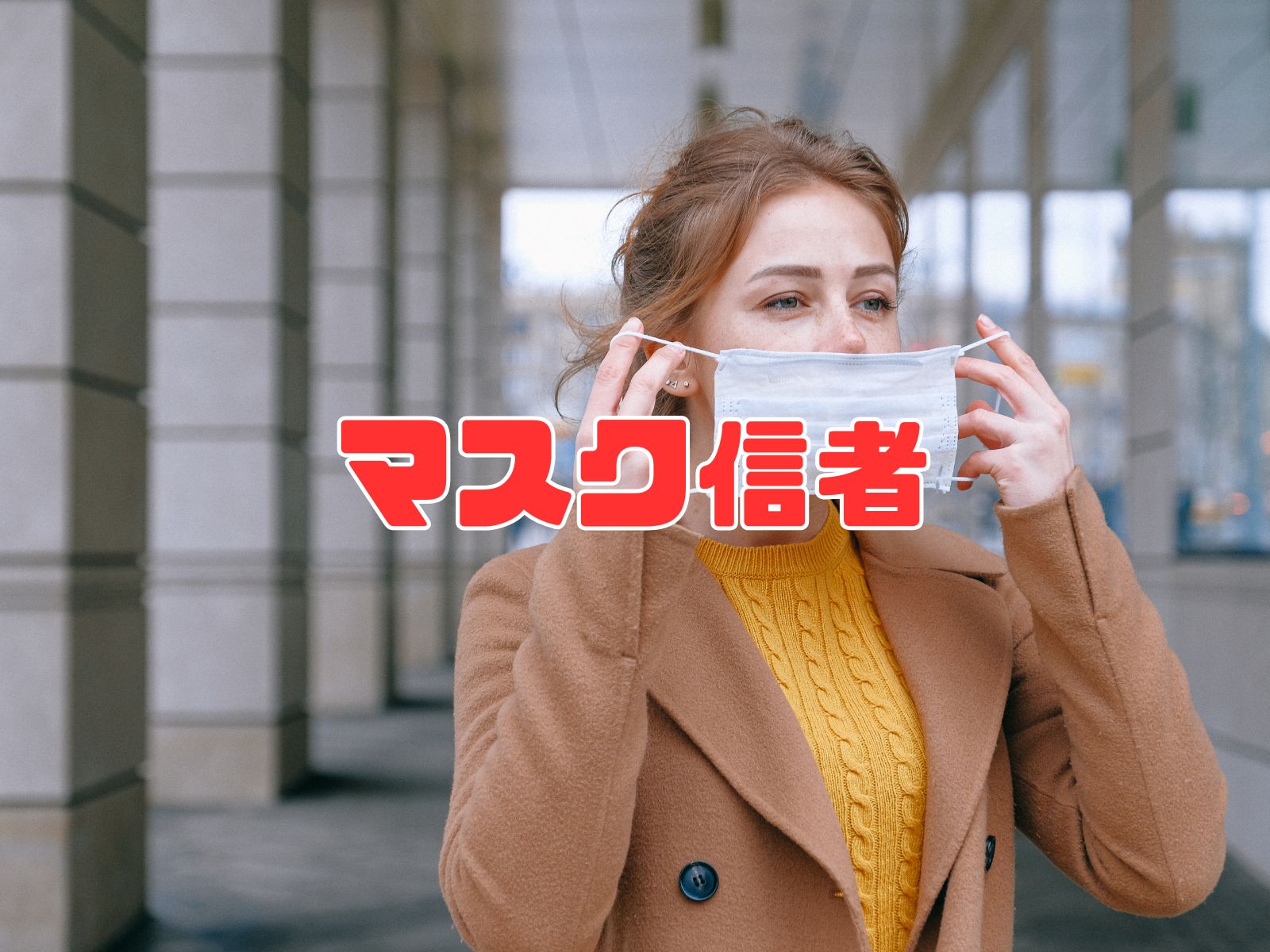
With the global outbreak of the COVID-19 pandemic, the term "Mask Zealot" (マスク信者 - Masuku-shinja) emerged in Japanese social discourse.
While the phrase is standardly used to describe individuals who obstinately cling to wearing face masks in all situations, what are its deeper sociological implications?
This article provides a detailed analysis of the term "Mask Zealot"—exploring its definition, social background, real-world usage, public anxiety psychology, and the polarization of public health choices.
Defining "Mask Zealot"
Although slogans like "Masking is a social duty!", "Prevent infection!", and "Show consideration to others by masking!" became ubiquitous during the pandemic, the term "Mask Zealot" itself does not have a strict scientific definition. Rather, it is a colloquial, slightly mocking label applied to individuals who appear to hold an almost religious devotion to mask wearing, prioritizing it regardless of actual environmental risk or changing public safety guidelines.
Related Concepts: The "Mask Police"
A highly prominent sister term used during this social phase is "Mask Police" (マスク警察 - Masuku-keisatsu).
This refers to self-appointed public vigilantes who aggressively confront, publicly shame, or verbally assault individuals who are not wearing face masks in public spaces, enforcing conformity through intense social pressure.
The Social Background of the Term's Rise
The emergence of the term "Mask Zealot" is directly tied to the prolonged COVID-19 pandemic and the intense peer pressure surrounding public health mandates in Japan.
In Japanese society, when confronting anti-mask arguments, a massive majority standardly pushed back with comments like "Why make a fuss? Just wear the mask without complaining."
Within this highly charged social atmosphere, critics and skeptics wittily coined the term "Mask Zealot" to mock those who fiercely demanded absolute, unquestioning compliance with mask etiquette.
Additionally, the rise of the label reflects a broader sociological trend: the severe polarization of society surrounding public health mandates.
Opinions on mask efficacy and personal freedom differed extensively, leading to highly defensive, entrenched positions on both sides of the timeline.
Real-World Dialog Examples
- "That person refuses to remove their mask even in the middle of a scorching summer heatwave—they are a true mask zealot."
- "It feels like mask zealots prioritize their own emotional anxieties over actual, updated scientific data."
- "Mask wearing should be a matter of personal choice, but mask zealots constantly try to force their standards onto everyone else."
Psychological Underpinnings of Persistent Masking
During the peak pandemic phases, masking was heavily promoted as the ultimate baseline prevention measure, and was even legally mandated in various global regions.
However, even as high vaccination rates and falling infection rates prompted governments to declare masking optional, a substantial segment of the Japanese public felt deep resistance toward showing their faces in public.
Psychologists suggest that for these individuals, the face mask evolved into a "social safety blanket" offering emotional comfort, or served as a vital shield to avoid violating intense Japanese peer pressure (同調圧力 - Dōchō-atsuryoku).
Socio-Ethical Concerns Regarding the Label
It is crucial to note that "Mask Zealot" is a highly derogatory label used to mock and dismiss those who choose to wear masks, carrying a risk of social division and unfair stereotyping.
Furthermore, deploying such provocative slangs blocks healthy, logical public discourse regarding epidemiology and safety measures, turning a public health topic into an emotional flame war.
Ultimately, mask wearing must remain a matter of individual agency, and respecting diverse personal choices is vital for social harmony.
Summary
The term "Mask Zealot" is a modern social artifact born out of intense public debates surrounding pandemic safety measures.
Because its usage carries a highly negative, mocking subtext, users must exercise caution to avoid causing unnecessary friction or misunderstandings.
Epidemiological choices are best left to personal judgment, and building a supportive environment that respects diverse individual boundaries is the key to healthy coexistence.
Furthermore, the "Mask Zealot" debate is deeply connected to larger societal themes: personal liberty, social polarization, and how modern democracies respond to public health guidelines.
Ultimately, this timeline reminds us that public health debates are never merely about physical hygiene; they are complex mirrors reflecting a society's core values, collective trust, and individual rights.
"Mask Zealot" (マスク信者) is a fascinating, complex slang reflecting the psychological anxieties and peer pressures of post-pandemic society.
While the mask served as a vital protective tool, the polarization of public opinion ultimately turned it into a cultural battleground.
Understanding the social background behind these labels is key to building a more empathetic, respectful digital community.
I hope this socio-cultural analysis helps deepen your understanding of modern social slangs!
About "Mask Zealot (マスク信者 - Mask Zealot: Socio-cultural analysis of persistent masking, public health dynamics, and societal polarization)"
This page provides the English definition and usage guide for the professional term "Mask Zealot (マスク信者 - Mask Zealot: Socio-cultural analysis of persistent masking, public health dynamics, and societal polarization)." If you have any suggestions, feedback, or corrections regarding our terminology articles, please feel free to reach out via our contact form.