My-Car Advertising (マイカー広告 - My-Car Advertising: Definition, business models, user pros & cons, and future market outlook)
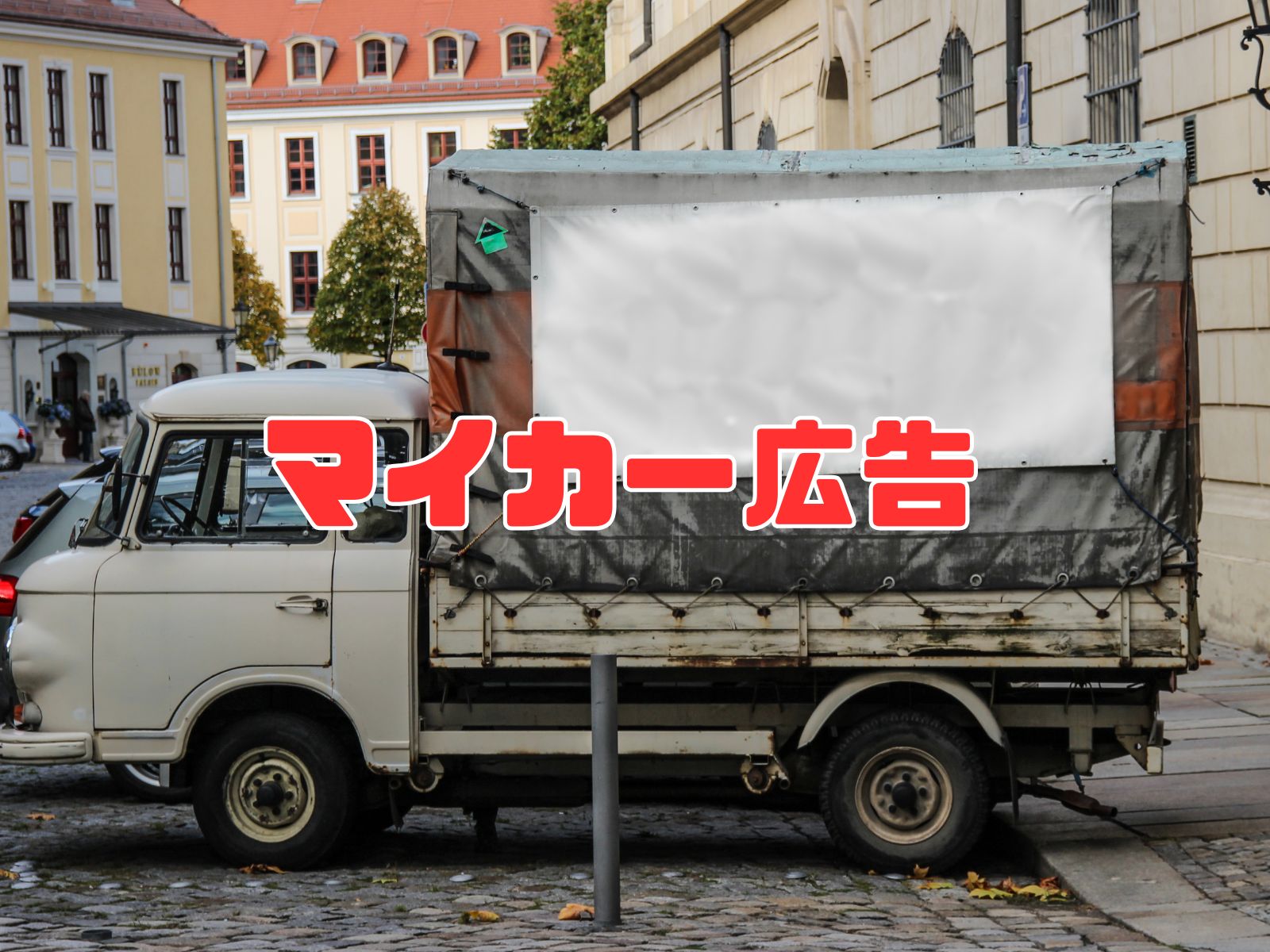
In recent years, "My-Car Advertising" (マイカー広告 - Maikā-kōkoku) has captured massive public attention as an innovative new marketing medium. Unlike conventional outdoor advertising, utilizing privately owned passenger vehicles as mobile billboards unlocks entirely new advertising possibilities.
This comprehensive market research report provides a multi-dimensional analysis of My-Car Advertising—exploring its operational definition, specific types, detailed user/advertiser benefits and drawbacks, success stories, legal frameworks, and future technical evolutions.
Operational Definition of My-Car Advertising
My-Car Advertising is a mutually beneficial marketing model where individual car owners place commercial stickers or wraps on their private vehicles, allowing advertisers to gain high geographical exposure while drivers earn recurring passive income or advertising rewards.
Advertisements are standardly applied to the vehicle's rear windshield or side doors.
From the advertiser's standpoint, this model is deployed to secure localized brand awareness and boost customer loyalty. For vehicle owners, it serves as an easy side hustle to generate secondary income to offset car maintenance costs, or simply as a fun way to advocate for their favorite brands.
Compared to traditional public transit ads (like bus or taxi wraps), My-Car Advertising offers significantly higher cost-efficiency and enables hyper-local, community-focused targeting.
Furthermore, the integration of modern smartphone applications has introduced advanced technologies, such as GPS-tracked, location-based campaign rewards.
Primary Formats of My-Car Ads
My-Car Advertising is generally divided into two main categories:
- Sticker Advertising (ステッカー広告):
Applying commercial decals or stickers to the rear window or body panels. This format features low production costs, making it highly accessible for small-to-medium enterprises (SMEs) and local businesses. Drivers typically apply for campaigns, submit photo verifications, and receive payouts via dedicated smartphone apps. - Car Wrapping (カーラッピング広告):
Covering the entire vehicle body with custom high-impact graphics. Wrapping provides massive advertising real estate, ensuring maximum visual impact, high recall rates, and maximum street visibility.
Pros and Cons of My-Car Advertising
The Driver's Perspective
| Advantages | Disadvantages |
|---|---|
| Earns steady passive income | Requires strict driving etiquette |
| Advocates for favorite brands | Alters the vehicle's aesthetics |
| Discovers new products & services | Potential liability during road accidents |
| Offsets daily car maintenance costs | None (minor aesthetic adjustments only) |
Detailed Driver Benefits
- Easy Secondary Payouts:
Earning passive income simply by driving your normal daily routes makes it a highly attractive side hustle. While payouts vary based on mileage, geographical zones, and ad formats, some active drivers successfully generate over 100,000 JPY per month. Additionally, certain sponsors provide supplementary gas allowances or vehicle maintenance discounts. - Expressive Brand Advocacy:
By turning their car into a moving showcase for their favorite anime, sports team, or consumer product, drivers experience a strong sense of community participation. - Discovering New Brands:
Participating in campaigns exposes drivers and their local networks to emerging brands, novel services, and unique local startups. - Offsetting Car Maintenance Costs:
Allocating ad earnings toward parking fees, vehicle inspections (Shaken), or insurance premium bills helps reduce the household financial burden.
Driver Drawbacks & Considerations
Car owners must remain mindful of the following parameters when enrolling in campaigns:
- Enforcing Strict Safe Driving:
Because a branded car stands out dramatically in traffic, bad driving behaviors directly reflect on the sponsor. Drivers must maintain exemplary road manners. - Accepting Aesthetic Changes:
Drivers must be comfortable driving a vehicle decorated with large corporate decals or colorful window stickers in their daily personal life. - Liability Management during Accidents:
In the event of a collision, having high-visibility corporate branding might complicate insurance claims or attract unwanted attention, requiring clear contract protocols with the agency.
The Advertiser's Perspective
| Advantages | Disadvantages |
|---|---|
| Exceptional cost-efficiency | Brand reputation risks from bad driving |
| Broad geographical reach | Imprecise demographic targeting |
| Organic, word-of-mouth exposure | Difficulty in precise ROI tracking |
| Enhanced local brand affinity | None (reputation management only) |
Detailed Advertiser Benefits
- Stellar Cost-Efficiency:
Compared to expensive static billboards or television ads, renting local private vehicle panels offers massive visual frequency at a tiny fraction of the cost. - Broad and Natural Reach:
As drivers travel naturally through various residential zones, shopping centers, and highways, the ads reach a diverse mix of consumers out-of-home. - Organic Local Affinity:
Seeing a brand sticker on a neighbor's car builds organic trust and soft word-of-mouth exposure, making the promotion feel authentic rather than intrusive. - Boosting Community Connections:
Sponsoring local drivers allows a brand to show active support for local communities, driving up regional corporate social responsibility (CSR) ratings.
Advertiser Risks & Drawbacks
- Reputational Risk from Driving Habits:
If a branded vehicle engages in aggressive driving or road rage, the sponsor's corporate image faces immediate backlash. - Imprecise Demographic Sourcing: Unlike online marketing algorithms, advertisers cannot control exactly who views the mobile vehicle in real-time.
- Complex ROI Attribution: Calculating the exact conversion rate or sales lift triggered by offline car sticker exposures remains highly challenging.
Market Size and Growth Outlook
While the My-Car Advertising sector is still in its infancy, making precise market size valuations difficult, the global advertising sector's steady growth (rising by 5.0% annually) indicates excellent structural tailwinds.
In Japan, the market has been successfully cultivated by pioneer agencies such as Auto Plus, Monox, and Microwave. Collaborative competition and technical improvements among these firms are rapidly expanding the general sector footprint.
Looking forward, the rise of Electric Vehicles (EVs), autonomous driving fleets, AI analytical targeting, and modernized urban outdoor ad regulations are expected to accelerate this market's expansion.
Success Stories and Sourcing Strategies
Case Studies
- Cheer Drive:
A highly successful platform specializing in sports team advocacy ads, turning fans' private cars into mobile cheering sections. The platform has registered over 85,000 drivers and distributed more than 15 million JPY worth of mileage payout rewards. - WithDrive: Having successfully secured 16 campaigns across 11 distinct industries in a three-year span, the firm has deployed over 400 branded vehicles and distributed over 1 million JPY in driver compensation.
Strategic Execution Tips
| Strategy | Operational Overview |
|---|---|
| Target-Dense Area Routing | Directing drivers through zones with high concentrations of the target demographic to maximize visual conversion rates. |
| Optimized Peak Commute Routing | Focusing routes on heavy traffic corridors, shopping hub margins, or slow-moving downtown sectors to ensure maximum ad dwell time. |
| Cross-Media SNS Integration | Encouraging drivers to share photos or video reels of their branded cars on platforms like X or Instagram, multiplying offline reach with online virality. |
| Integrated Discount Campaigns | Bridging offline ad views with active sales, such as offering discounts or mobile QR coupon codes to consumers who snap photos of the branded car. |
Pricing Models
Pricing models vary extensively based on agency contracts and campaign scale. Sponsors can generally select between fixed monthly campaign fees, or performance-based models where total fees scale with actual GPS-tracked driver mileage. Many platforms offer zero upfront registration fees with flexible minimum campaign durations.
Legal Regulations and Ethical Dilemmas
Legal Frameworks
My-Car campaigns must comply strictly with regional Outdoor Advertisement Acts, Road Traffic Laws, and local landscape preservation ordinances. Decal sizes, reflective properties, window placement rules, and copyright clearance must be thoroughly audited prior to decal installation. Additionally, many municipal governments enforce unique local ordinances regarding commercial vehicles that must be carefully navigated.
Ethical Challenges
The business model must address several socio-ethical responsibilities:
- Enforcing Driver Manners:
Sponsors must implement structured safe-driving pledges, background checks, or GPS monitoring to prevent poor road manners from tarnishing their brand reputation. - Securing Visual Safety:
Ad designs must not obstruct the driver's blind spots or rear vision, nor should they feature flashing lights that might distract other drivers in traffic. - Data Privacy Protections: GPS tracking and location verification systems must strictly comply with personal information protection laws, protecting drivers' private addresses and routine route histories.
Future Tech Trends and Opportunities
The merging of mobile billboards with Electric Vehicles (EVs), autonomous driving systems, and advanced AI is set to revolutionize the transit marketing space. With user attention increasingly shifting toward digital platforms, out-of-home vehicle ads serve as a vital real-world anchor.
Technical Frontiers
- Location-Based Campaign Triggers:
Integrating smartphone GPS triggers to serve highly contextual ads or digital notifications to nearby consumers as the branded car passes by. - AI-Driven Route Analytics:
Utilizing telemetry data to analyze pedestrian density, weather, and traffic speeds, calculating highly accurate real-time ad exposure metrics for sponsors. - Smart Digital Car Signage:
Replacing static stickers with thin, flexible digital LED display panels mounted on car windows. This allows dynamic, video-based ads that can adapt their messaging based on the vehicle's exact geographical location.
Furthermore, My-Car Advertising carries the fascinating potential to foster dedicated driver communities. Drivers representing the same brand can network online or assemble for offline rallies, building highly unique, brand-centric subcultures.
Conclusion
My-Car Advertising stands as a highly promising, disruptive alternative to traditional advertising mediums, offering unprecedented local exposure and driver benefits.
While legal compliance and driver behavior management remain vital hurdles to solve, overcoming these challenges will position transit-sharing models as major drivers of regional economic growth and sustainable marketing innovation.
In particular, the expansion of autonomous vehicles will completely transform the market. As drivers transition into passive passengers, their ability to actively view media while traveling will open up stellar digital ad opportunities inside the cabin. Simultaneously, EV integration highlights environmentally conscious marketing, allowing brands to showcase carbon-offset initiatives through local clean-energy transit ads.
Additionally, advanced AI analysis will maximize targeting and telemetry. Processing location data and traffic trends through AI algorithms will deliver highly optimized campaign distributions, maximizing value for sponsors.
Ultimately, My-Car Advertising represents a major convergence point connecting the automotive, marketing, and digital IT sectors. By fostering cross-industry business models, this mobile medium is set to deliver a profound visual and social impact on modern societies.
"My-Car Advertising" (マイカー広告) is a stellar, cutting-edge fusion of sharing economy logistics and localized transit marketing.
By allowing daily drivers to monetize their normal commutes while providing sponsors with exceptional cost-efficiency, it stands as a brilliant win-win business model.
I hope this comprehensive market report helps you navigate the exciting future of mobile transit advertising!
About "My-Car Advertising (マイカー広告 - My-Car Advertising: Definition, business models, user pros & cons, and future market outlook)"
This page provides the English definition and usage guide for the professional term "My-Car Advertising (マイカー広告 - My-Car Advertising: Definition, business models, user pros & cons, and future market outlook)." If you have any suggestions, feedback, or corrections regarding our terminology articles, please feel free to reach out via our contact form.