Last One Mile
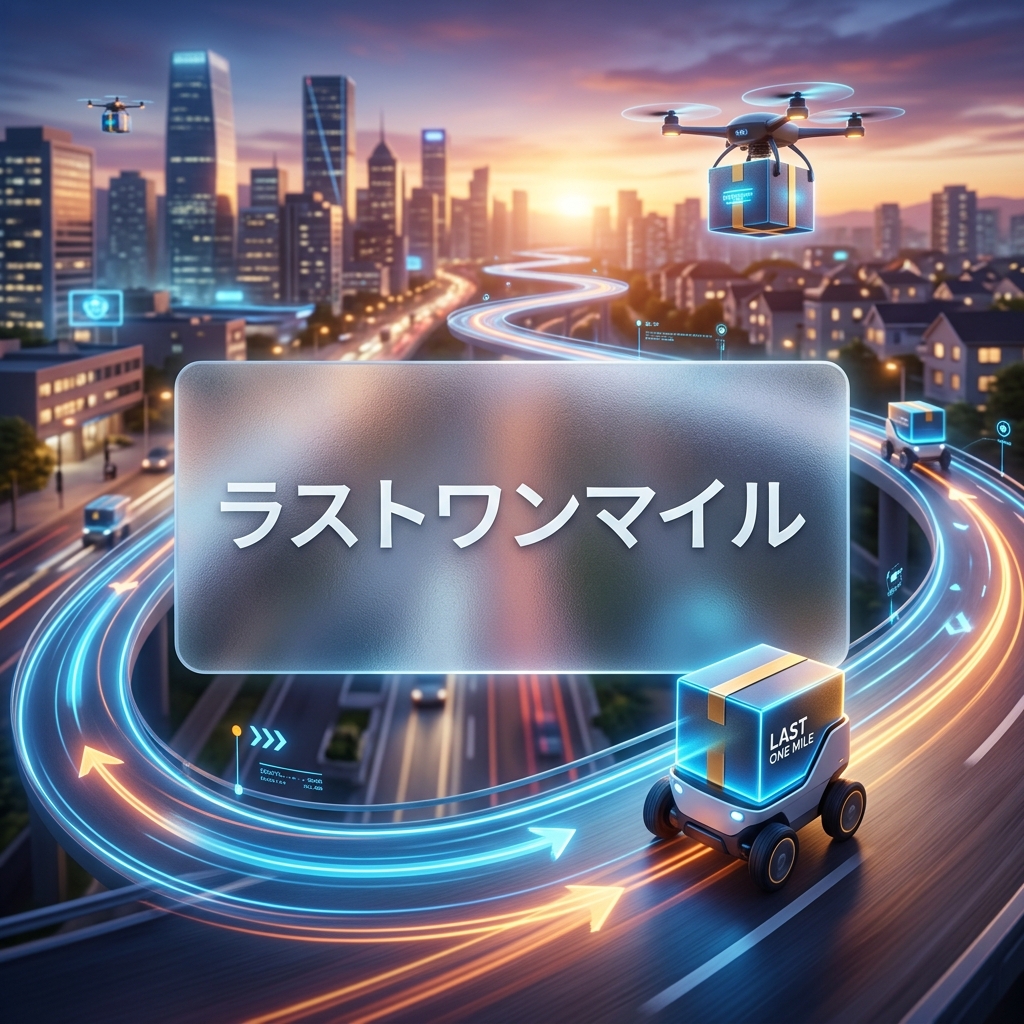
- The Final Leg of Shipping: In supply chain logistics, it refers to the final delivery segment where goods are moved from the nearest fulfillment center or local postal depot directly to the customer's home or office.
- The Ultimate Inefficiency Bottleneck: Because it involves delivering individual packages door-to-door and facing recipient absences, this phase consumes over 50% of total shipping costs, representing a highly expensive segment.
- Innovative Technological Solutions: Deploying unattended drop-off infrastructures (smart lockers), autonomous delivery robots, drone shipping, and AI-driven route optimization protocols.
"Last One Mile" (often referred to as the last mile) is a specialized logistics and supply chain term denoting "the final leg of the transportation process, where retail products are delivered from the last distribution depot or local hub directly to the end customer's doorstep or office space."
Why is the Last One Mile Deemed the Most Critical Segment in Supply Chain Management?
The rapid expansion of e-commerce enables consumers to enjoy unprecedented convenience, expecting products ordered online to arrive at their doorsteps the next day. However, compared to massive line-haul shipping (where freight ships or bulk trailers move cargo in high-density consolidation), the door-to-door, face-to-face nature of the Last One Mile consumes approximately 53% of total logistics costs and the vast majority of labor hours, representing an incredibly expensive, highly fragmented operational bottleneck.
The 3 Critical Crises Threatening Modern Last-Mile Logistics
Behind the seamless shopping experience, the logistics infrastructure is reaching a physical breaking point due to three overlapping issues:
- The "2024 Logistics Problem" & Labor Caps: Strict statutory caps on overtime hours for drivers have reduced overall shipping capacity, making the threat of "undeliverable goods" a real structural crisis in Japan.
- The Nightmare of Re-deliveries: Recipient absence leads to re-delivery rates exceeding 10%, causing a sharp surge in unnecessary carbon emissions, driver physical fatigue, and fuel consumption.
- Downward Pressure of "Free Shipping": High consumer expectations for free shipping put severe cost-cutting pressure on logistics operators, squeezing margins to unsustainable levels.
Practical Corporate Dialogue & Usage
Executive: "Since launching our free-shipping campaign, orders have skyrocketed. However, our logistics partners are calling us in distress, claiming they have completely run out of shipping capacity."
Logistics Director: "As our transaction volume grows, the burden on the last one mile multiplies exponentially. To physically eliminate re-deliveries, we must immediately integrate our platform with smart locker networks in apartment complexes and expand pickup options at local convenience stores."
Logistics Transport Phases: Comparison of the "Miles"
| Shipping Phase | Primary Segment | Key Operational Bottlenecks |
|---|---|---|
| First Mile | Manufacturer/Factory ➔ Primary Warehouse/Fulfillment Hub | Dispatch scheduling delays, suboptimal cargo load factors. |
| Middle Mile (Line Haul) | Fulfillment Hub ➔ Local Sorting Depots | Long-haul driver shortage, volatile fuel prices. |
| Last One Mile | Local Sorting Depot ➔ Customer Doorstep | Re-deliveries due to absence, highly fragmented delivery drops. |
Frequently Asked Questions (FAQ)
A: Yes, they are already entering commercial deployment. Following recent deregulation of autonomous operations in public spaces, pilots have expanded into routine operations in designated zones. Autonomous ground vehicles are now navigating sidewalks, and drone systems are delivering medical supplies to elderly residents in rural communities across Japan.
Consumer Etiquette and Shared Responsibility
Resolving the Last One Mile crisis cannot be accomplished solely by the efforts of courier companies. Consolidating orders rather than making multiple low-value purchases, opting for unattended drop-offs (leaving packages in designated spots), and actively using smart parcel lockers to eliminate re-deliveries represent essential consumer etiquette and modern digital literacy standards.
Summary: Injecting Technological Intelligence and Human Empathy into the Final Mile
The Last One Mile represents the delicate physical interface where high-level digital technologies meet our physical lives. Rather than demanding absolute convenience at no cost, working cooperatively as responsible consumers is the path to ensuring this vital lifeline remains robust and sustainable for future generations.
About "Last One Mile"
This page provides the English definition and usage guide for the professional term "Last One Mile." If you have any suggestions, feedback, or corrections regarding our terminology articles, please feel free to reach out via our contact form.