Luminarie (The Baroque European Roots, Kobe Memorial Festivities, and Tectonic Recovery Art)
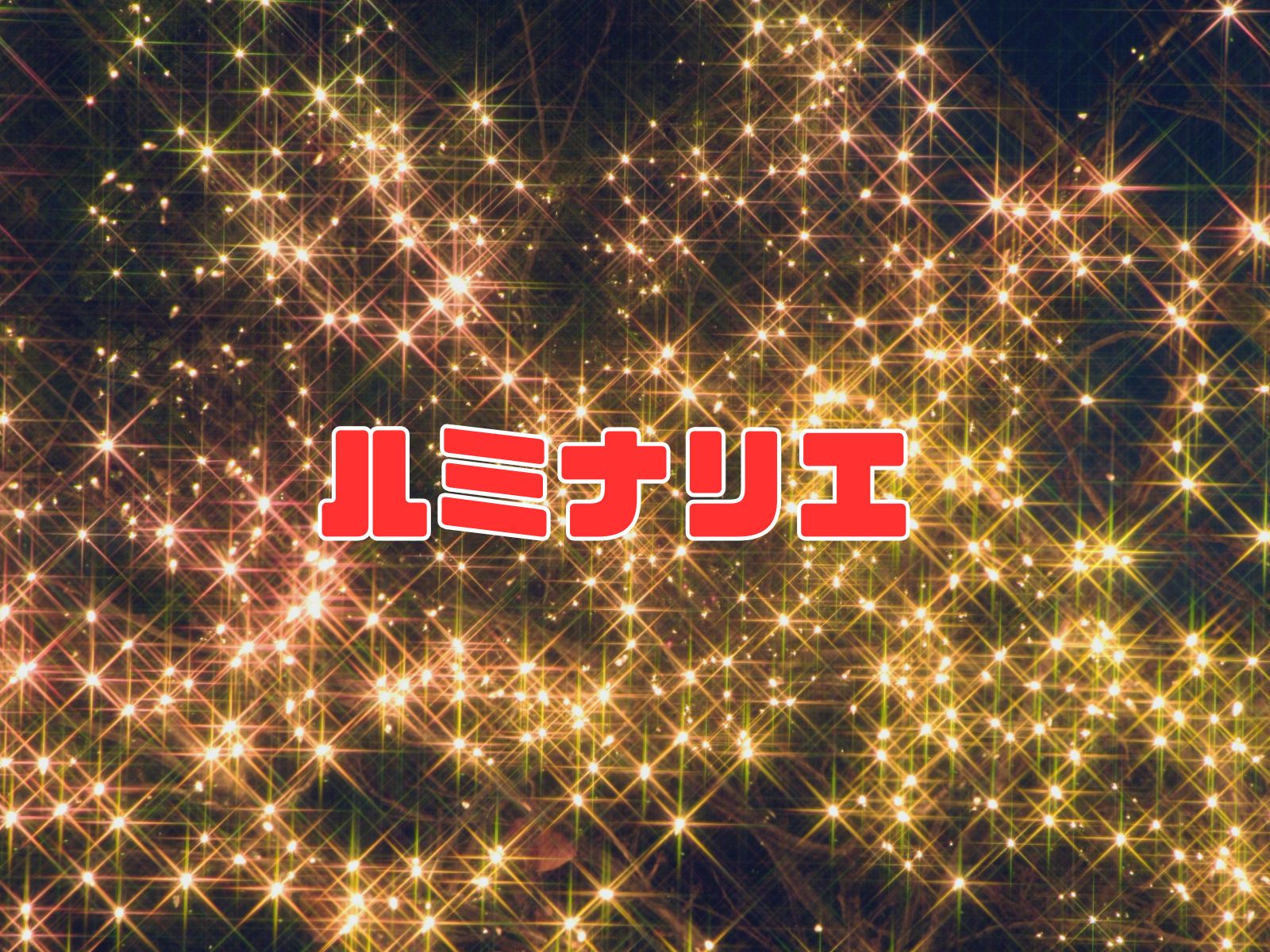
The word "Luminarie" originates from the Italian plural noun representing "artistic light illumination."
Throughout human history, light has stood as a powerful symbol of hope and safety, driving away the terrors of darkness. Regardless of civilization or era, humanity has long projected its dreams onto luminous displays.
The true origin of Luminarie dates back to festive decorative arts that flourished during the late Renaissance and Baroque periods in Europe, particularly in Italy.
During religious festivals and grand celebrations, illuminating architectural facades and city squares was a vital decorative art.
Early Luminarie relied on tiny oil lamps covered with colored paper. With the invention of the electric light bulb, displays expanded into massive, highly complex luminous structures, evolving into the modern art form we see today. Particularly in southern Italy, the medium has evolved into "sculptures of light"—where colorful bulbs are arranged on three-dimensional wooden frameworks to construct spectacular, immersive artistic spaces.
Definition and Key Characteristics of Luminarie
While commonly categorized as a type of holiday illumination, Luminarie is distinct.
Standard illuminations decorate existing structures or trees with string lights. In contrast, Luminarie is a highly structured, self-standing architectural art form carrying deep festive and memorial significance. Displays utilize a diverse array of incandescent bulbs and modern LED lights.
The defining characteristics of Luminarie include:
- Three-Dimensional, Monumental Structures
Bulbs are mounted on massive wood or metal skeletons to build freestanding arches, tunnels, and structural walls. - Festive and Memorial Significance
Originally developed for religious feast days, modern Luminarie retains these links, regularly starring in festivals honoring patron saints. - Integration with Local Culture
Displays are tailored to reflect the history, aesthetics, and cultural identity of each host city, fostering deep community bonds. - High Artistic Expression
Rather than simple decorative lighting, displays utilize precise color palettes, light placement, and structural styling to construct immersive, gallery-grade spaces.

AD
・無料会員登録でPayPay 200円分のポイントプレゼント
・運営17年目の老舗ポイントサイト
・ポイントは現金や電子マネーに交換可能
・24時間いつでも交換可能で登録後条件達成で2200円GET
Prominent International and Domestic Examples
Kobe Luminarie
Japan's most famous display is the "Kobe Luminarie," hosted annually in Kobe, Hyogo Prefecture.
It was initiated in December 1995 as a solemn memorial for the victims of the catastrophic Great Hanshin-Awaji Earthquake and a symbol of urban hope and recovery. Initially planned as a one-off event, immense public demand prompted organizers to make it an annual winter tradition.
Kobe Luminarie was originally produced by Italian designer Valerio Festi and Kobe resident Hirokazu Imaoka, with Daniel Monteverde taking over production since 2011.
Each year's display is built around a unique theme, which is detailed in the official "Kobe Luminarie Passport."
Spectacular light installations decorate the city, including the light corridor "Galleria," the decorative wall hangings "Spalliera," the grand entrance archway "Frontone," and the light cupola "Cassa Armonica."
In 2011, the display adopted the theme "Light of Hope" (Luci di Speranza) to express solidarity with the victims of the Tohoku earthquake.
Although the COVID-19 pandemic forced the cancellation of the main event from 2020 to 2022, alternative displays like "Rosone Machinaka Museum" and "Cassa Armonica: Music Treasure Box" were hosted to maintain the tradition.
Economic Impact and Tourism Revitalization of Kobe Luminarie
Kobe Luminarie has played a vital role in restoring the city's tourism industry following the earthquake. While initially conceived to drive commercial recovery, it has established itself as Kobe's premier winter festival, drawing millions of visitors annually.
Other Famous Global Luminaries
Scorrano Luminarie (Italy)
In Scorrano, Puglia, the annual feast of Santa Domenica in July turns the entire town into a spectacular canvas of lights.
Featuring structures reaching heights of 40 meters, this world-class display draws visitors globally. Scorrano's display carries intense religious significance, serving as a monument of gratitude to the patron saint who saved the town from plague.
Valencia Fallas Luminarie (Spain)
During the famous Fallas festival in Valencia, Spain, every March, Valerio Festi installs spectacular light displays along Calle Sueca, attracting massive festive crowds.
The Memorial and Reconstruction Monument (東遊園地)
The main venue at Higashi-Y遊園地 park houses the permanent "Memorial and Reconstruction Monument."
This monument honors the victims of the 1995 earthquake and ensures the memory of the disaster is passed down to future generations.
Featuring glass plaques inscribed with victims' names and a courtyard paved with white square tiles representing hope, it serves as a crucial partner to the Kobe Luminarie in keeping the memories alive.
Cultural and Societal Significance of the Festival
Luminarie delivers profound benefits to communities and individuals:
- Urban Revitalization: Drives tourism and provides a massive boost to the local economy. In Kobe, it was a vital engine of post-seismic recovery.
- Community Cohesion: Relying on thousands of local volunteers to organize and run the event, it builds deep social bonds.
- Artistic Enrichment: Serving as highly creative site-specific installations, it raises cultural awareness and aesthetic appreciation.
- Psychological Comfort: The gorgeous light patterns offer hope, comfort, and emotional healing.
- Preserving Seismic Memory: Kobe's display serves as a vital yearly reminder of Hanshin-Awaji, keeping the lessons of the disaster fresh.
Contemporary Structural and Financial Challenges
Despite its beauty, organizers of Luminarie face serious operational challenges:
- Safety and Crowd Control: Managing massive crowds requires intensive security protocols to prevent accidents.
- Financial Sustainability: Securing sponsorships, public subsidies, and donations is a constant challenge.
In recent years, rising security costs and declining corporate sponsorships have put a heavy strain on budgets. - Local Business Friction: Traffic congestion and road closures during the festival have occasionally disrupted the holiday business of local shops.
Strategic Outlook and Future Sustainability
To secure its future, modern Luminarie is adopting innovative operational shifts:
- Transitioning to LED Bulbs: Significantly cuts electricity use and minimizes environmental impact.
- Adjusting the Event Calendar: Moving dates away from the busy Christmas season reduces crowd congestion and cuts security expenditures.
- Decentralizing Venues: Spreading installations across multiple city zones encourages foot traffic while preventing high-density crowding.
- Introducing Ticketed Viewing Areas: Setting up paid viewing zones provides a vital revenue stream while managing crowd flow.
- Coordinating with Local Commerce: Aligning with local restaurants and shopping malls helps distribute economic benefits more evenly.
- Enhancing Donation Campaigns: Distributing "Thank You Cards" to donors has proven highly effective in boosting individual contributions.
By implementing these initiatives, Luminarie is evolving into a safer, highly sustainable, and deeply valued community asset.
Conclusion
Luminarie is far more than a simple lighting display. It is a highly artistic, culturally rooted celebration backed by centuries of European tradition, evoking hope and healing through the power of light.
Kobe Luminarie has stood as a magnificent symbol of post-seismic recovery and hope. As the event evolves, balancing its massive tourism appeal with its original, solemn memorial purpose remains vital. By addressing financial challenges and reinforcing community integration, the festival can continue to shine its light of hope for generations to come.
About "Luminarie (The Baroque European Roots, Kobe Memorial Festivities, and Tectonic Recovery Art)"
This page provides the English definition and usage guide for the professional term "Luminarie (The Baroque European Roots, Kobe Memorial Festivities, and Tectonic Recovery Art)." If you have any suggestions, feedback, or corrections regarding our terminology articles, please feel free to reach out via our contact form.