Sober Curious (The Wellness Movement Choosing Mindful Sobriety)
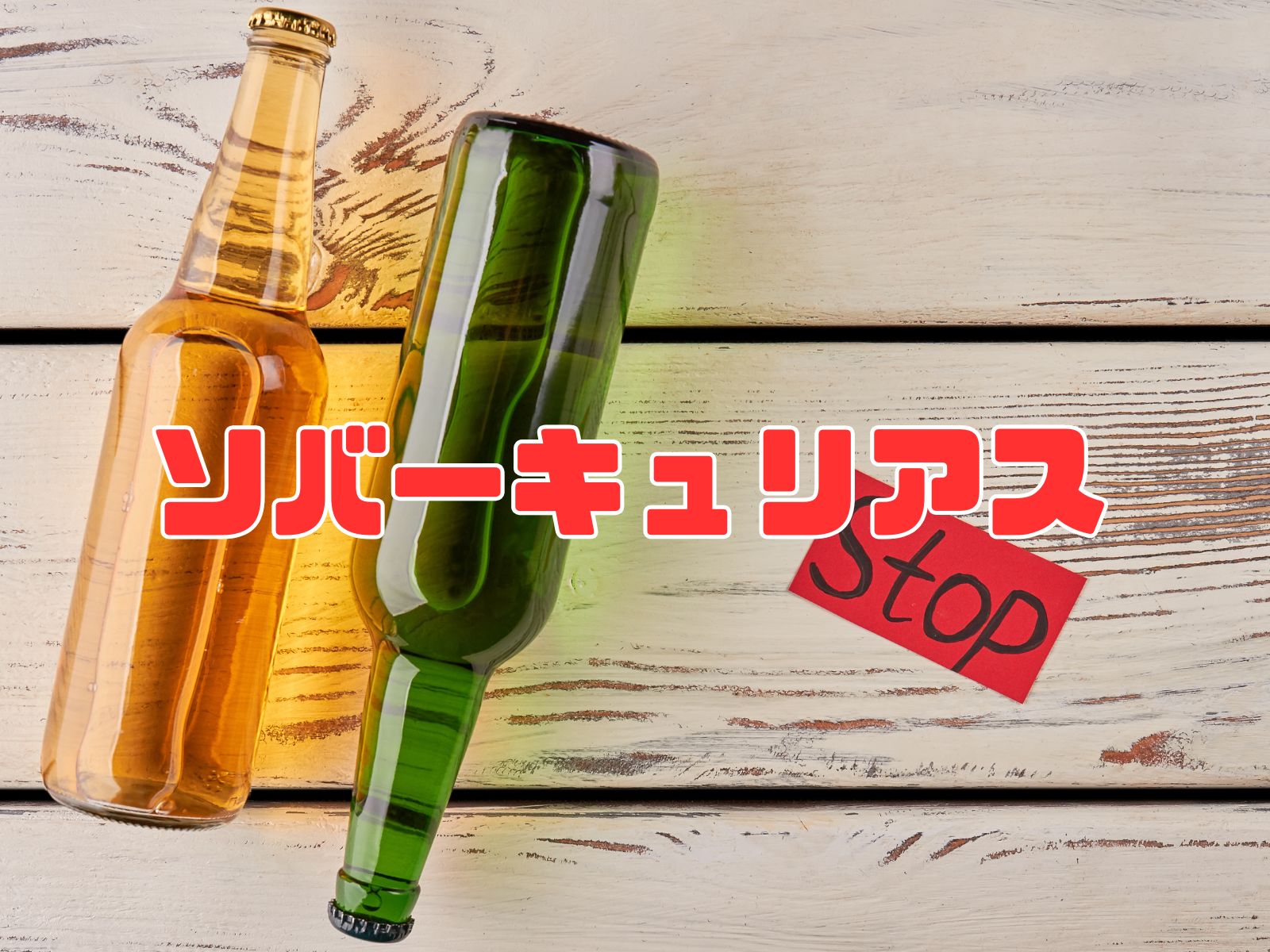
In recent years, the wellness landscape has been profoundly shaped by the rapid rise of the "Sober Curious" (ソバーキュリアス) movement. Pioneered by author Ruby Warrington in her 2018 book Sober Curious, this philosophy advocates for a highly mindful, conscious approach to alcohol consumption rather than blindly adhering to social drinking habits.
In this guide, we explore the Sober Curious definition, its cultural lifestyle appeal, key benefits, how it differs from traditional sobriety, and practical strategies to integrate mindful drinking into your life.
Defining Sober Curious
"Sober Curious" translates literally to being "curious about sobriety." It represents a conscious decision to re-evaluate one's relationship with alcohol. Rather than drinking automatically due to social pressure or habit, Sober Curious individuals actively choose when, why, and how much they consume, prioritizing personal mental and physical health.
The Sober Curious Lifestyle
Sober Curious practitioners do not necessarily commit to absolute, lifelong abstinence. Instead, they adopt a flexible, highly personalized approach—reducing overall intake, designating alcohol-free periods, or choosing to remain sober in specific social settings.
For example, many participate in structured seasonal challenges like "Dry January" or "Sober October" to completely reset their systems, while others choose to restrict alcohol to special weekends or formal dinners, focusing on moderation and clarity.
Key Drivers of the Movement
Consumers are actively adopting Sober Curious lifestyles driven by several modern wellness priorities:
- Focus on Somatic Health:
Seeking physical benefits such as improved deep sleep, enhanced immune function, higher daily energy, and reduced risks of chronic liver or cardiovascular diseases. - Cognitive and Mental Clarity:
Recognizing that alcohol degrades mental health and focus, and choosing sobriety to improve concentration, emotional stability, and sharp decision-making. - Substantial Financial Savings:
Alcohol, especially at restaurants and bars, represents a major budget overhead. Cutting back drives immediate, substantial savings. - Deeper Interpersonal Connections:
Engaging in social gatherings fully present and unimpaired, fostering genuine, authentic memories and healthier relationships. - Shifting Social Norms:
Particularly among Gen Z, non-drinking is increasingly viewed as an attractive, wellness-aligned choice, reducing the social stigma of declining a drink.
Social Challenges and Obstacles
Transitioning to a Sober Curious lifestyle can involve navigating several socioeconomic hurdles:
- Time Constraints:
Managing work and family demands can leave little time to research alcohol-free stress management techniques or source healthy drink alternatives. - Supportive Environments:
Establishing a stable, supportive home environment is crucial to successfully reinforce new, healthy lifestyle habits. - Socioeconomic Support Networks:
Having friends and family who actively respect and support your boundaries is vital to sustain behavior changes. - Access to Premium Alternatives:
Budgeting for high-quality botanical non-alcoholic spirits, specialty mocktails, or wellness apps that support sober tracking can be a barrier for some. - Regional Social Venues:
Rural areas frequently lack social spaces that are not centered around bars or traditional pubs, limiting alcohol-free community activities. - Persistent Social Pressure:
In drinking-dominated business or social circles, choosing not to drink can still provoke constant questions or subtle exclusion.
Sober Curious vs. Teetotalism & Sobriety
Sober Curious differs fundamentally from strict teetotalism or addiction recovery. Traditional sobriety is often a rigid, binary rule, frequently necessitated by clinical dependency. In contrast, Sober Curiosity is a self-reflective, exploratory wellness framework. It focuses on questioning social expectations, mindful moderation, and developing a highly personalized, healthy relationship with alcohol.
The Boom of the Non-Alcoholic Beverage Industry
Driven by this wellness movement, the global beverage market has seen an explosive rise in premium non-alcoholic drinks. From sophisticated non-alcoholic craft beers and dealcoholized wines to complex botanical mocktails, consumers can now enjoy mature, flavorful social beverages without the downstream effects of alcohol, further normalization of sober socializing.
Strategic Advantages and Downsides
Physical and Mental Benefits
| Advantage | Description |
|---|---|
| Restorative Sleep | Eliminating alcohol before bed preserves REM cycles, leading to deep, refreshing sleep. |
| Weight Management | Lowering liquid calorie intake supports easier weight management and metabolic health. |
| Sustained Energy | Eliminating dehydration and hangovers dramatically increases daily energy levels. |
| Cognitive Focus | Clearer thought processes improve mental concentration, memory, and workplace productivity. |
| Emotional Stability | Stabilizes neurotransmitters, reducing post-drinking anxiety and mood swings. |
| Cardiovascular Health | Lowers resting blood pressure and stabilizes heart rates, reducing cardiac risks. |
| Optimized Liver Function | Reduces fat accumulation in the liver, allowing cellular regeneration and waste clearance. |
| Stronger Immunity | Strengthens the immune response, helping the body fight viral infections. |
| Lower Oncological Risk | Significantly decreases statistical risks associated with various cancers. |
| Financial Reinvestment | Reclaims substantial discretionary funds previously spent on alcohol. |
Social and Health Downside Considerations
| Potential Hurdle | Description |
|---|---|
| Social Friction | Navigating awkward queries or pressure from peers in traditional, alcohol-centric environments. |
| Finding Alternatives | The constant effort required to source quality non-alcoholic brands at mainstream bars. |
| Addiction Boundaries | Sober Curiosity is a wellness framework; individuals with clinical dependency require professional medical intervention. |
| Cognitive Preservation | Recent studies show even moderate daily drinking (one glass) is linked to measurable brain volume shrinkage. |
Practical Strategies for Mindful Sobriety
To successfully integrate Sober Curiosity into your life, focus on three key strategic areas:
Mindset and Self-Reflection
- Establish Explicit Boundaries:
Formulate precise personal goals—such as choosing to drink only at formal celebratory events or limiting intake to two glasses. - Analyze Media Narratives:
Develop awareness of how media and advertising actively normalize and push alcohol consumption as a cure-all for stress. - Audit the "Benefits":
Perform a rational evaluation of your drinking habits, identifying if alcohol genuinely brings value or simply acts as a social crutch. - Trace the Triggers:
Identify exactly what prompts your desire to drink—whether it's post-work stress, social anxiety, boredom, or habit—and build healthy alternative coping mechanisms.
Social Navigation Strategies
- Transparent Communication:
Clearly inform close friends or colleagues about your choices, framing Sober Curiosity as a positive health and wellness experiment. - Prepare Simple Scripts:
Formulate quick, stress-free responses for when you decline a drink (e.g., "I'm focusing on early morning workouts" or "I'm participating in a wellness challenge").
Lifestyle Adjustments
- Savor Sophisticated Mocktails:
Replace standard alcohol with high-quality botanical non-alcoholic spirits, herbal teas, or custom mocktails to preserve the aesthetic pleasure of a social drink. - Enforce Home Cleanliness:
Keep your home entirely alcohol-free, stocking the pantry with premium teas and sparkling water to lower immediate friction. - Embrace New Social Hobbies:
Redirect the time and funds previously spent at bars toward early morning sports, hiking, creative crafts, or learning new culinary arts.
Recommended Resources
To dive deeper into the Sober Curious lifestyle, we recommend the following literature:
- Book: Sober Curious: The Blissful Sleep, Greater Focus, Limitless Presence, and Deep Connection Awaiting Us All on the Other Side of Alcohol by Ruby Warrington.
Conclusion
Sober Curious is a powerful lifestyle shift that empowers individuals to re-evaluate their connection with alcohol and prioritize true physical and mental well-being. By aligning with modern health trends, driving substantial financial savings, and encouraging authentic social dynamics, the movement serves as a healthy path toward mindful living.
As premium non-alcoholic options continue to diversify globally, choosing sobriety is becoming easier and more culturally celebrated than ever before, shaping a healthier, more conscious future.
About "Sober Curious (The Wellness Movement Choosing Mindful Sobriety)"
This page provides the English definition and usage guide for the professional term "Sober Curious (The Wellness Movement Choosing Mindful Sobriety)." If you have any suggestions, feedback, or corrections regarding our terminology articles, please feel free to reach out via our contact form.