Sinkhole (Mechanisms, Causes, and Urban Development Risks)
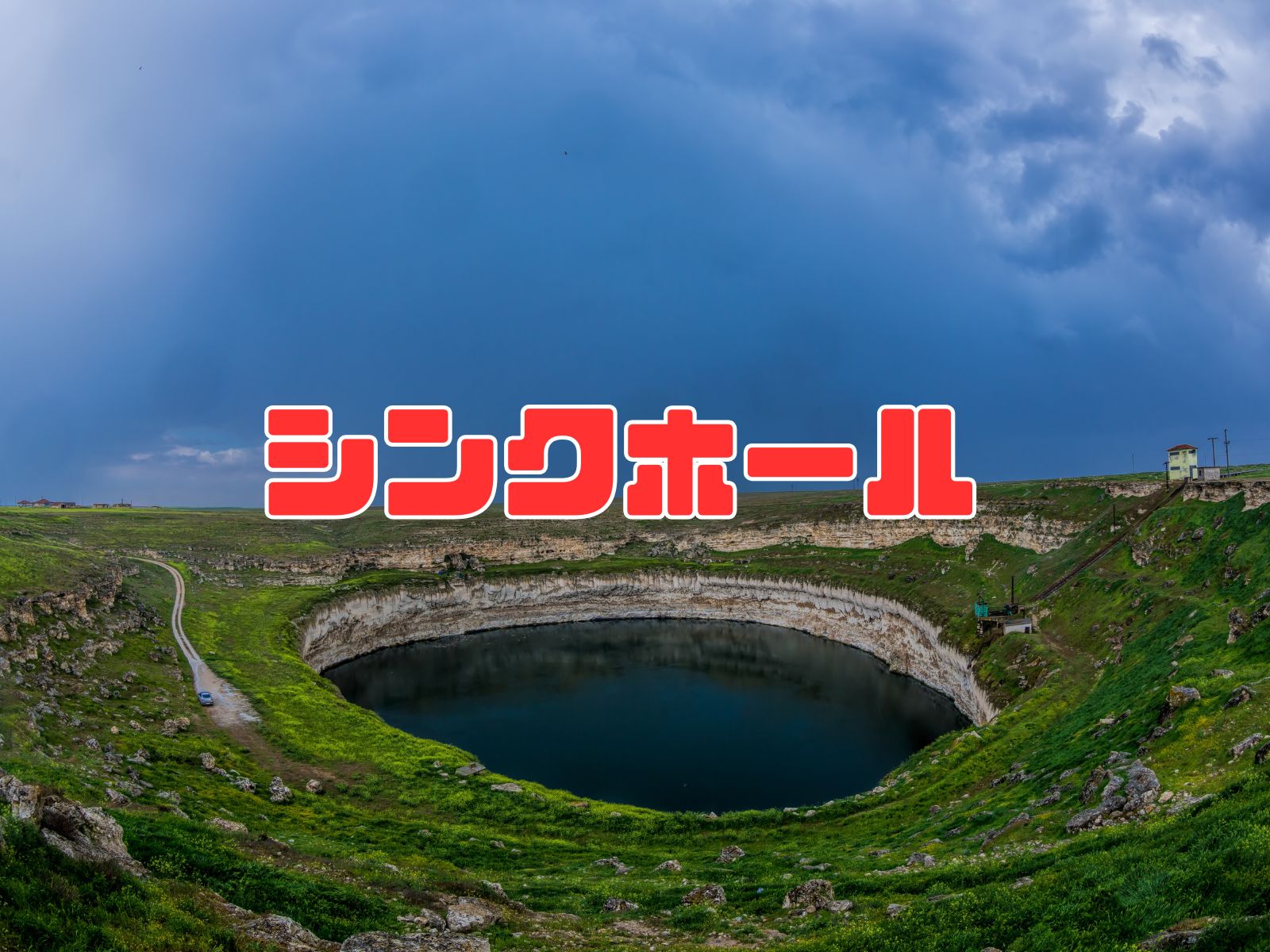
In recent years, dramatic news reports of sudden road collapses in major metropolitan areas have frequently grabbed headlines worldwide. In many instances, these catastrophic collapses are caused by a geological phenomenon known as a "Sinkhole" (シンクホール). A prominent historical example occurred in 2010 in Guatemala City, where a massive, near-perfectly circular sinkhole opened up, swallowing a three-story building whole. These collapses present severe hazards to human life, infrastructure, and urban safety.
What is a Sinkhole?
A sinkhole is a depression or hole in the ground caused by the collapse of the surface layer into an underlying underground cavity. While sinkholes can occur naturally, human activities in urban environments—such as aging underground piping, excessive groundwater extraction, and heavy tunnel excavations—have significantly accelerated their frequency in recent decades.
Sinkholes are generally categorized into three primary geological types based on their formation processes:
- Dissolution Sinkholes: Formed when water-soluble bedrock (such as limestone or gypsum) is gradually dissolved by acidic rainwater or flowing groundwater over long periods.
- Cover-Collapse Sinkholes: Formed abruptly when an underground cavity develops beneath an cohesive soil layer, culminating in a sudden, dramatic structural failure of the surface.
- Cover-Subsidence Sinkholes: Formed gradually as loose surface materials slowly drift downward into underground fractures, causing a gentle, steady depression rather than a violent collapse.
The Formation Process of Sinkholes
Geologically, the creation of underground cavities is driven by two main processes:
1. Dissolution (Chemical Erosion)
In regions featuring limestone bedrocks (karst topography), rainwater absorbs carbon dioxide from the atmosphere and soil, becoming mildly acidic. As this water percolates downward, it slowly dissolves the soluble minerals, sculpting vast subterranean networks of caves and voids over thousands of years. Once the ceiling of these voids can no longer support the weight above, a collapse occurs.
2. Suffosion (Physical Piping & Erosion)
This process is driven by the physical movement of underground water. When water flows rapidly through loose sand, volcanic ash, or unstable soil, it physically washes away the fine sediment particles, leaving behind empty spaces. This is highly common in sandy soils or areas experiencing high groundwater fluctuations.
Vulnerable Zones and the Impact of Urbanization
Sinkholes are highly prevalent in areas characterized by the following environmental factors:
- Karst Topography: Landscapes underlaid by highly soluble limestone bedrocks.
- Depleted Groundwater Tables: Dropping water tables remove the hydrostatic pressure that previously supported underground voids, triggering sudden collapses.
- Proximity to Active Waterways: Constant hydrological flow washes away subterranean soils.
- Volcanic Ash Soils: Loose, highly erodible soils that lack structural cohesion.
Importantly, rapid urbanization acts as a massive catalyst for sinkholes. Underground construction, extensive subway excavations, and the aging of municipal sewer systems create high risks. When underground water pipes leak, they wash away surrounding sand, creating massive cavities directly beneath busy city streets.
Consequences and Infrastructure Damage
The sudden opening of a sinkhole in populated areas can result in devastating consequences:
- Roadway Collapses: Swallowing moving vehicles and causing catastrophic traffic disruptions.
- Structural Destruction: Causing adjacent residential or commercial buildings to tilt or collapse completely.
- Utility Disruption: Rupturing water mains, gas pipelines, and high-voltage power lines, leading to mass outages, gas leaks, and localized flooding.
- Loss of Life: Inflicting severe injuries or fatalities on residents caught in the collapse zone.
Prevention and Mitigation Strategies
While completely preventing natural sinkholes is exceptionally difficult, urban planning and advanced engineering can dramatically reduce the risks through several key measures:
- Comprehensive Geological Surveys: Conducting micro-gravity and soil stability tests before launching major construction projects.
- Responsible Groundwater Management: Monitoring and regulating groundwater extraction rates to maintain stable underground pressures.
- Advanced Drainage Infrastructure: Designing resilient drainage networks to prevent surface runoff from oversaturating subterranean soils.
- Proactive Sewer Maintenance: Utilizing robotic cameras and sensor arrays to locate and repair pipe leaks before they erode surrounding soil.
- Ground-Penetrating Radar (GPR): Regularly scanning major urban roadways with GPR vehicles to identify hidden underground cavities before they collapse.
Sinkhole Incidents in Japan
Japan frequently experiences sinkhole collapses, particularly in urban areas and coal-mining zones. Famous recent examples highlight the scale of the threat:
- Fukuoka Sinkhole (2016): A massive road collapse occurred near Hakata Station, measuring approximately 30 meters wide and 15 meters deep. It was caused by subway tunnel construction, showcasing the extreme speed at which underground soil can erode.
- Chofu Sinkhole (2020): A sudden sinkhole opened in a residential neighborhood of Chofu, Tokyo, measuring several meters across. Investigative boards attributed the collapse to subterranean shield tunneling operations, highlighting the delicate balance of urban underground engineering.
- Aging Infrastructure: Many smaller, daily road depressions across Japan are caused by leaking, corroded sewer pipes laid during the high-growth economic era, prompting nationwide municipal pipe renewal initiatives.
Overview of Sinkhole Mechanics
| Process | Description | High-Risk Conditions | Primary Countermeasures |
|---|---|---|---|
| Dissolution (Chemical) | Soluble rocks like limestone are dissolved by acidic groundwater, forming voids. | Karst topographies, acid rain zones. | Void-filling, soil stabilization, monitoring groundwater chemistry. |
| Suffosion (Physical) | Flowing groundwater washes away fine sand/soil, forming subterranean cavities. | Sandy soils, volcanic ash, highly fluctuating water tables. | Installing GPR scans, repairing municipal pipe leaks, managing water drainage. |
| Structural Collapse | The surface layer collapses into the subterranean void due to gravitational load. | Earthquakes, heavy torrential rain, underground shield tunneling. | Subsurface reinforcement, immediate cavity grouting, careful excavation. |
Conclusion
Sinkholes are formidable geological and man-made hazards capable of causing severe urban disruptions. As cities continue to expand vertically and horizontally underground, deploying continuous GPR monitoring, modernizing aging sewage networks, and practicing responsible groundwater management are paramount to safeguarding modern civic environments.
About "Sinkhole (Mechanisms, Causes, and Urban Development Risks)"
This page provides the English definition and usage guide for the professional term "Sinkhole (Mechanisms, Causes, and Urban Development Risks)." If you have any suggestions, feedback, or corrections regarding our terminology articles, please feel free to reach out via our contact form.