De-influencer (De-influencing)
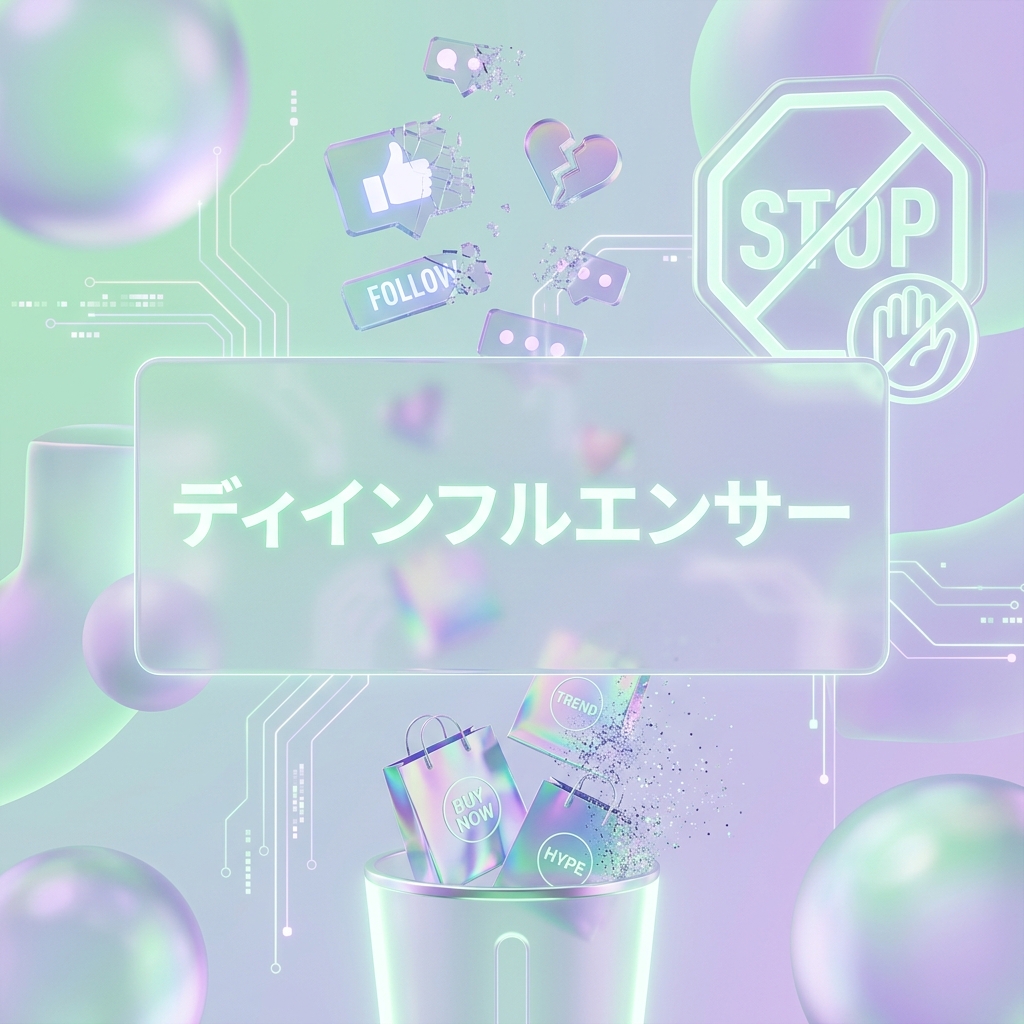
- Curbing Impulsive Buying: A movement where creators show consumers why hyped products aren't worth the money, encouraging mindful and budget-friendly decisions.
- Core Causes of Emergence: Triggered by growing fatigue toward hidden sponsorships (stealth marketing), rising inflation, and a collective drive to defend personal finance.
- Impact on Brands: Over-hyped "hype-marketing" is increasingly rejected; brands must pivot toward radical transparency and core product quality to survive.
"De-influencing" (combining the prefix "De-" with "influencer") is a modern social media movement and communication trend denoting "a practice where creators critically review heavily hyped online products or trends, sharing honest, evidence-backed arguments on why they are not worth buying, thereby warning consumers against overspending and challenging excessive consumerism."
What is De-influencing? The Shift in Consumer Mindset
For years, influencer marketing operated under a single, dominant rule: stoke consumer desires by telling audiences, "This item is incredible, you must buy it immediately!" However, as feeds became saturated with paid promotions, consumer psychology shifted. Compounded by global inflation and a growing awareness of environmental waste from fast-consumption cycles, audiences developed "sponsorship fatigue." Honest, unfiltered teardowns of products are now celebrated as the ultimate form of digital authenticity and trust.
Practical Corporate Dialogue & Usage
PR Lead: "To launch our new serum, I want to sponsor fifty beauty influencers to publish glowing reviews simultaneously across TikTok."
Marketing Director: "Let's pause. Sponsoring a synchronized wave of perfect reviews will look suspicious. It will make us a prime target for de-influencers looking to expose overhyped marketing. We should focus on authentic creators, let them openly discuss both the pros and cons, and prioritize radical product transparency instead."
Traditional Influencers vs. De-influencers
| Metric | Traditional Influencers | De-influencers |
|---|---|---|
| Primary Goal | Inducing purchases, driving fast-moving trends, and encouraging mimicry. | Restraining impulsive buys, offering objective facts, and checking marketing claims. |
| Revenue Model | Corporate sponsorships, affiliate links, and commission-based payouts. | Platform ad revenues, audience donations, or subscriptions (preserving independence). |
| Core Value | "Attention and Aspiration"—showing how owning products elevates status. | "Ethical Minimalism"—challenging unnecessary waste and saving money. |
Frequently Asked Questions (FAQ)
A: Yes, a sub-genre of "pseudo de-influencers" has emerged, who trash Product A simply to redirect traffic and recommend Product B through their own affiliate links. However, authentic de-influencers prioritize their independent status and build monetization models based on direct audience support to preserve their long-term credibility.
Critical Etiquette & Literacy When Consuming De-influencing Content
Because phrases like "don't buy this" are highly clickable and attention-grabbing, consumers must maintain digital literacy. Some creators post sensationalist negative reviews simply to drive engagement or attack rival brands. Audiences should look for creators who base their criticism on clear, objective parameters—such as ingredient analysis, cost-per-use metrics, or verifiable performance data—rather than mere emotional complaints.
Summary: Reclaiming Sovereignty Over Your Purchasing Power
The rise of de-influencing is a digital shield for consumers navigate the constant noise of modern online advertising. By prompting us to step back and ask, "Does this truly add value to my life, or am I just chasing a trend?" it fosters a mature, self-directed consumption style that values product utility and financial wellness over manufactured hype.
About "De-influencer (De-influencing)"
This page provides the English definition and usage guide for the professional term "De-influencer (De-influencing)." If you have any suggestions, feedback, or corrections regarding our terminology articles, please feel free to reach out via our contact form.