Tomoe Gakuen (トモエ学園 - Tomoe School: Progressive education in WWII Japan, founder Sosaku Kobayashi, and the legacy of 'Totto-chan')
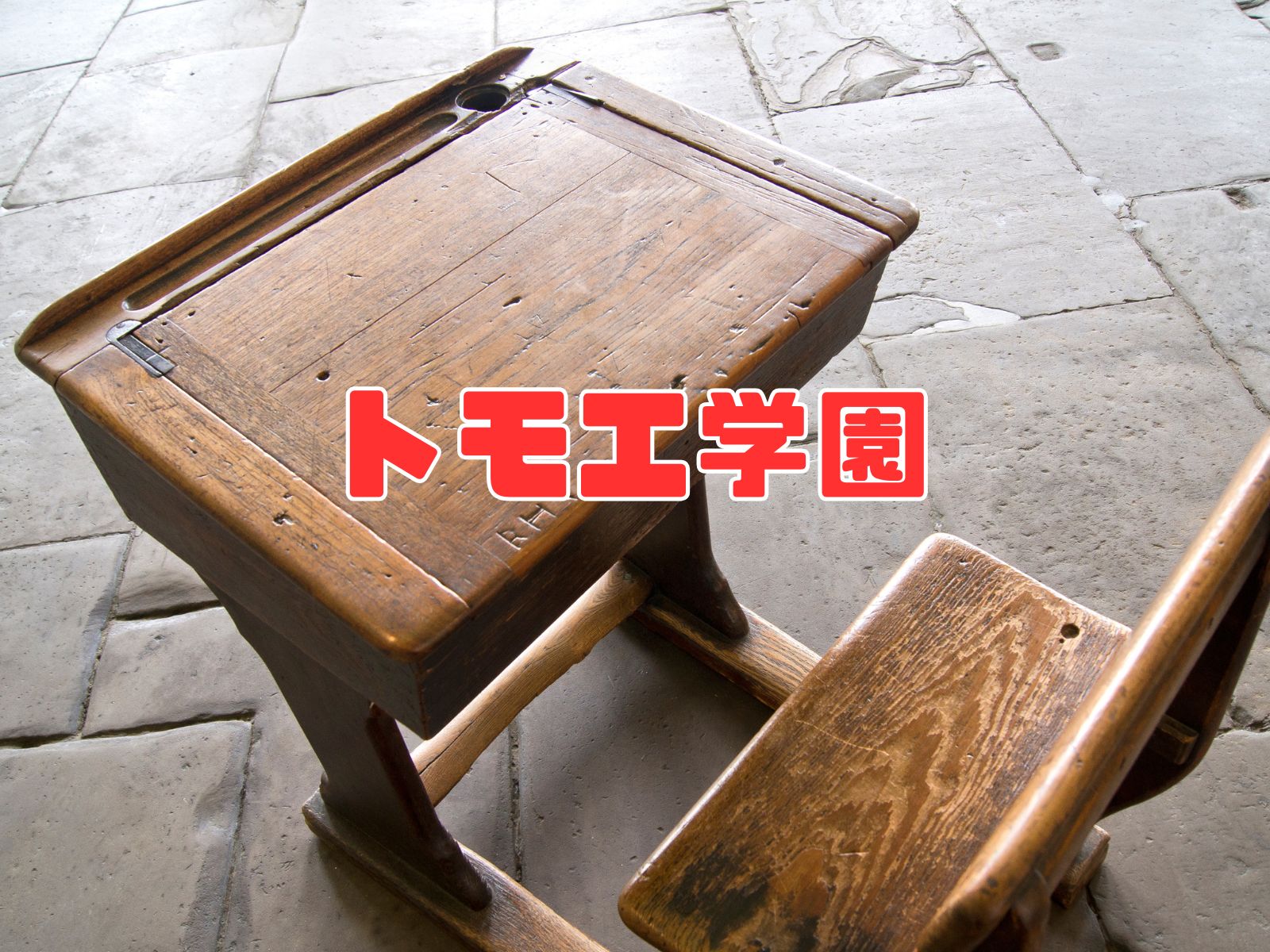
Tomoe Gakuen (トモエ学園) was a revolutionary elementary school in Tokyo, Japan, founded during World War II by the visionary educator Sosaku Kobayashi.
Unlike conventional Japanese schools of the era, which emphasized rigid conformity and rote learning, Tomoe Gakuen focused on student-centered education, emotional intelligence, mutual respect, and a deep connection with nature.
Famous for utilizing retired railroad cars as classrooms, the school allowed children to feel as though they were embarking on a journey of discovery every day.
Although the school was tragically destroyed by the air raids of World War II in 1945, its progressive educational philosophy continues to inspire educators and readers worldwide.
The Founder and Educational Philosophy
Tomoe Gakuen's founder, Sosaku Kobayashi (born June 18, 1893), was a passionate, highly creative educator. As a boy, he possessed a vivid imagination, once standing by a riverbank pretending to conduct a symphonic orchestra with the sound of the flowing water.
Kobayashi believed that every child possesses innate creativity and goodness, and he dedicated his life to building a nurturing environment where children could develop their unique talents without fear of failure.
His educational philosophy was built upon several progressive pillars:
- Student-Centered Education
Respecting each child's individuality and encouraging learning based on their unique interests. For example, Kobayashi encouraged children to bring lunches containing "something from the ocean and something from the hills," turning a simple meal into an organic lesson on nature and biology. - Free Learning Environment
Bypassing rigid schedules and static curricula, children were allowed to start their studies with whichever subject they liked best. This empowered students to study at their own pace, fostering deep intrinsic motivation. - Deep Connection with Nature
Fostering children's aesthetic sensibilities through outdoor play, nature walks, and sensory interactions. - Holistic Personal Growth
Prioritizing overall character development, empathy, and social connection alongside academic success. Despite the harsh wartime environment, the school emphasized social bonds, such as arranging student visits to hospitalized wounded soldiers to cultivate compassionate hearts. - Rhythmic Physical Education (Eurhythmics)
Integrating "Eurhythmics," a physical and musical training system developed by Swiss composer Émile Jaques-Dalcroze. This method was used to cultivate physical coordination, musical sensibility, and harmony between body and mind.
Within this liberated atmosphere, children learned and grew with boundless joy.
Kobayashi was deeply committed to building self-esteem, independent decision-making, and profound respect for others. His ultimate goal was to nurture confident, authentic individuals who could collaborate harmoniously to build a peaceful society.
Books and Literature on Tomoe Gakuen
Tomoe Gakuen gained legendary international recognition through the famous autobiographical novel "Totto-chan: The Little Girl at the Window" by Tetsuko Kuroyanagi.
This book, based on Kuroyanagi's personal childhood experiences at Tomoe Gakuen, vividly illustrates Sosaku Kobayashi's warm education and the joyfully liberated life of the students.
Published in Japan in 1981, the book sold over 5 million copies by the end of 1982, becoming the single best-selling book in Japanese publishing history.
The English translation, translated by Dorothy Britton, was published in the United States in 1984. Notably, the Japanese term "Totto-chan" playfully references the title's concept of a child "by the window," symbolizing how the unconventional, highly active Totto-chan felt slightly excluded or unable to settle into the rigid structures of traditional Japanese schools until she found Tomoe Gakuen.
While "Totto-chan: The Little Girl at the Window" is widely read by children, it is also highly valued as a deep philosophical novel for adults. Through a child's innocent perspective, it prompts readers to think deeply about education, society, and what it truly means to be human.
Numerous academic papers and research publications have analyzed Tomoe Gakuen's impact:
- Academic Literature:
- An Analysis of Educational Values in Totto-Chan: The Little Girl at the Window by Tetsuko Kuroyanagi Based on Paulo Freire’s Perspective
- CHARACTERISTICS OF AN EDUCATIONAL ADMINISTRATOR WITH REFERENCE TO TOTTO CHAN BY TETSUKO KUROYANAGI
Prominent Alumni and Associated Figures
The most globally celebrated graduate of Tomoe Gakuen is the actress, television personality, and UNICEF Goodwill Ambassador, Tetsuko Kuroyanagi.
She has repeatedly stated that her lifetime success, humanitarian work, and compassionate worldview are directly rooted in the progressive education she received from Sosaku Kobayashi at Tomoe Gakuen.
The absolute central figure is, of course, the founder Sosaku Kobayashi. He was a pioneering visionary who put progressive, child-centered ideas into active practice decades before similar models entered mainstream Japanese education.
Similar Educational Models and Philosophies
The education at Tomoe Gakuen shares profound conceptual roots with Waldorf (Steiner) Education.
Both systems emphasize deep respect for individuality, cultivating children's artistic sensibilities, and maintaining a nurturing, free environment rather than competitive, standard examinations.
In modern Japan, there are currently around 70 Waldorf-inspired kindergartens and daycare centers, such as the Takanawa Steiner Children's Garden.
Other educational institutions with overlapping core values include:
- Tambaroga Meeting Place
An early childhood education project focusing on children connecting with their own hearts and discovering their inner magic. - Jiyu Gakuen (自由学園): A prominent progressive school in Japan known for its unique "Seikatsudan" cooperative child education program.
Historical Impact and Legacy
Although Tomoe Gakuen operated for only nine short years before its tragic destruction in the war, its core educational concepts left an indelible mark on post-war Japanese education.
The core concepts of child-centered learning and respecting individuality have become foundational guidelines in modern pedagogic discussions.
Through Tetsuko Kuroyanagi's book, the warm spirit of Tomoe Gakuen has crossed international borders, inspiring millions of readers to rethink the role of education and how to foster a happier, more compassionate environment for the younger generation.
Conclusion
Tomoe Gakuen was an extraordinary elementary school that flourished during a dark period of war, driven by the profound love and progressive ideas of Sosaku Kobayashi.
With its unique railroad-car classrooms, student-driven curriculum, and empathetic daily guidelines, it stood as a beautiful oasis of progressive learning.
Though physically lost to history, its philosophy remains alive today, demonstrating the vital importance of protecting a child's unique spirit and cultivating cooperative, independent-minded citizens.
In today's fast-paced, highly globalized and digital world, the warm, human-centric values of Tomoe Gakuen shine brighter than ever, serving as an enduring beacon of hope for progressive education.
About "Tomoe Gakuen (トモエ学園 - Tomoe School: Progressive education in WWII Japan, founder Sosaku Kobayashi, and the legacy of 'Totto-chan')"
This page provides the English definition and usage guide for the professional term "Tomoe Gakuen (トモエ学園 - Tomoe School: Progressive education in WWII Japan, founder Sosaku Kobayashi, and the legacy of 'Totto-chan')." If you have any suggestions, feedback, or corrections regarding our terminology articles, please feel free to reach out via our contact form.