Ton Tonton Tsutsutsu Tonton (トン トントン ツーツーツー トントン - Morse Code SOS: Signal patterns, cultural impact of 'Hai Yorokonde', and history of rescue communications)
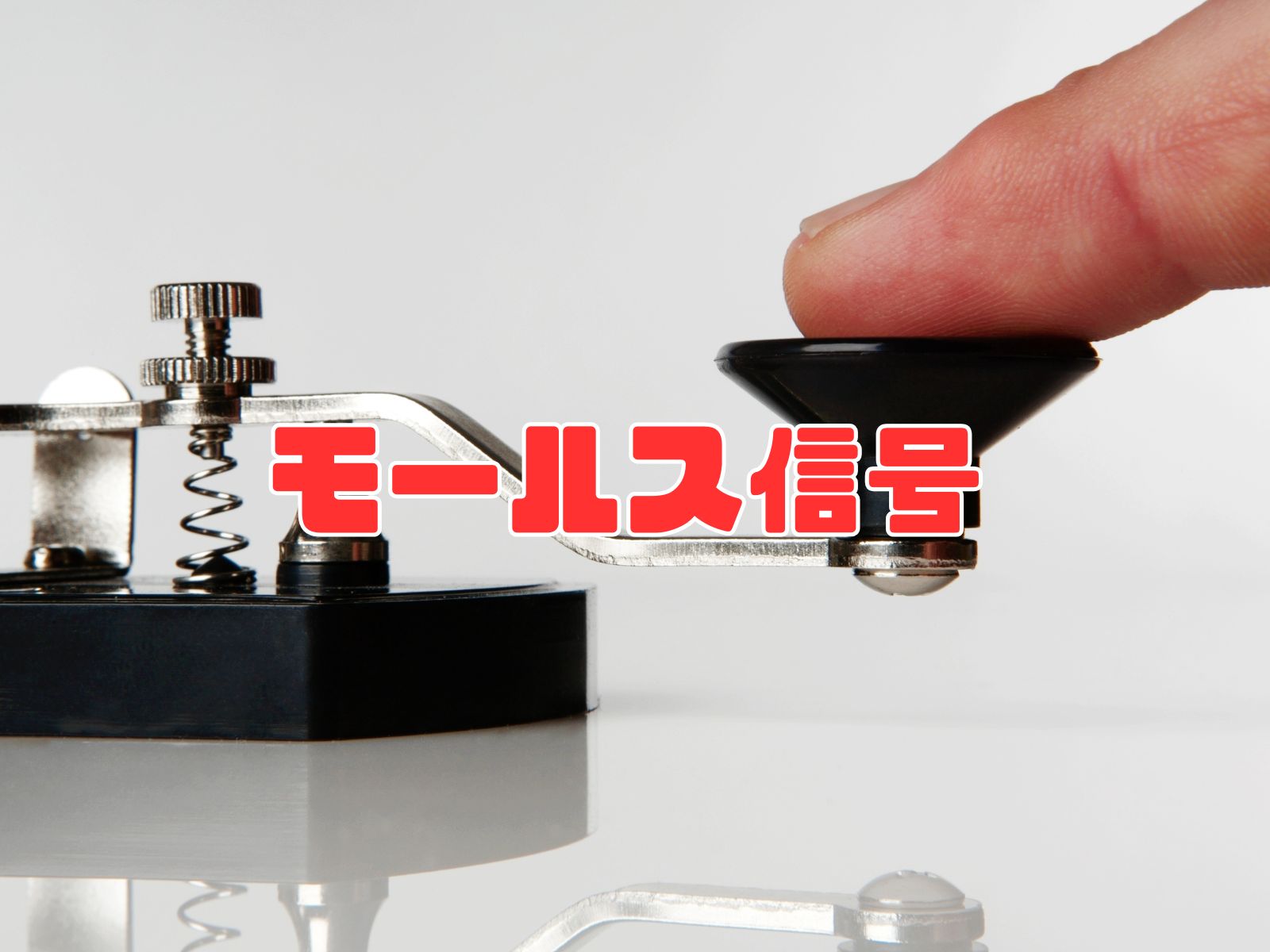
The phrase "Ton Tonton Tsutsutsu Tonton" (トン トントン ツーツーツー トントン) is the Japanese phonetic representation of the international Morse code distress signal "SOS" (・・・---・・・).
Morse code is a communication system that transmits text by combining short signals called "Ton" (dot: ・) and long signals called "Tsu" (dash: -). For example, the letter "A" is represented by "Ton Tsu" (・-), while "B" is represented by "Tsu Ton Ton Ton" (-・・・). Every letter and digit has a unique signal combination.
"SOS" is universally recognized as the international distress signal, deployed to request emergency rescue during maritime accidents or major disasters. In this context, "Ton Tonton Tsutsutsu Tonton" functions as a highly vital sequence representing the ultimate call for help.
Modern Pop Culture Context and the Rise of "Hai Yorokonde"
In recent times, this phonetic phrase has exploded in popularity across social media due to its prominent placement in the viral hit song "Hai Yorokonde" (はいよろこんで - "With Pleasure") by the Japanese artist Kocchi no Kento (こっちのけんと). The track went viral on TikTok and YouTube, inspiring millions of users to upload dance videos featuring its signature "Girigiri Dance" (ギリギリダンス - "Dancing on the Edge") choreography.
The lyrics of "Hai Yorokonde" feature the line: "Narase kimi no san kara roku masu" (鳴らせ君の3から6マス - "Sound your 3 to 6 grids: ・・・ーーー・・・"). This line carries a dual meaning: it references the normal heart rate intervals displayed on an electrocardiogram (ECG) grid, while simultaneously spelling out "S-O-S" in Morse code. The underlying message of the song encourages individuals who feel mentally exhausted or pushed to their limits to call for help before their health collapses.
Interestingly, in the song's official animated music video, the final dot ("Ton" / ・) of the SOS signal is intentionally left out, spelling out "SO..." instead. This subtle artistic choice symbolizes a person so severely exhausted that their voice cuts off mid-cry, adding a poignant and realistic depth to the song's mental wellness theme.
Standard Morse Code Signals
Here is a reference table for international Morse code letters and numbers:
| Letter / Digit | Morse Code |
|---|---|
| A | ・- |
| B | -・・・ |
| C | -・-・ |
| D | -・・ |
| E | ・ |
| F | ・・-・ |
| G | --・ |
| H | ・・・・ |
| I | ・・ |
| J | ・--- |
| K | -・- |
| L | ・-・・ |
| M | -- |
| N | -・ |
| O | --- |
| P | ・--・ |
| Q | --・- |
| R | ・-・ |
| S | ・・・ |
| T | - |
| U | ・・- |
| V | ・・・- |
| W | ・-- |
| X | -・・- |
| Y | -・-- |
| Z | --・・ |
| 1 | ・--- |
| 2 | ・・--- |
| 3 | ・・・-- |
| 4 | ・・・・- |
| 5 | ・・・・・ |
| 6 | -・・・・ |
| 7 | --・・・ |
| 8 | ---・・ |
| 9 | ----・ |
| 0 | ----- |
Historical and Cultural Background
Morse code was originally invented in the 19th century by the American inventor Samuel Morse.
It played a revolutionary role in early telegraphy and wireless radio communication, establishing itself as the absolute standard for maritime and long-distance navigation.
"SOS" was officially recognized as the international wireless distress signal at the Berlin International Radiotelegraphic Convention in 1906. Prior to this, individual nations and companies used varying signals, leading to dangerous confusion; the need for a universally simple, unambiguous code led to the standardization of SOS.
While advanced satellite and digital communication networks have largely retired Morse code from daily commercial use, it remains actively studied and used in amateur radio, aviation beacon navigation, and emergency military protocols today.
Sociological Role in Contemporary Society
Following Kocchi no Kento's musical milestone, "Ton Tonton Tsutsutsu Tonton" has taken on a modern sociological meaning. In Japan's highly stressful corporate and social environment, it has transformed into a playful, yet deeply serious, code phrase for people to share their personal burnout and mental struggles.
Across social networks, the phrase is frequently used as a password to discuss anxiety, depression, or overwork. For instance, the TikTok hashtag #はいよろこんで has generated countless dance challenges, creating a community movement centered around collective stress relief. The phrase serves as a unique vehicle of expression, combining vintage telecom technology with modern youth pop culture.
Interestingly, some online community forums report users typing the code sequence when leaving groups or taking a hiatus. While not a physical emergency, it illustrates how the SOS concept continues to adapt as a colorful symbol of needing a mental break or bidding farewell.
Conclusion
"Ton Tonton Tsutsutsu Tonton" is the Japanese vocalization of the legendary Morse code SOS distress signal. While it represents a historical breakthrough in maritime safety, its modern adaptation in pop music has given it a vibrant new lease on life as a symbol of mental health awareness and mutual support.
The transition from a raw maritime survival signal in 1906 to a viral TikTok dance phenomenon represents an extraordinary cultural shift, demonstrating how old communication codes can be masterfully reimagined by contemporary artists to address modern societal challenges.
About "Ton Tonton Tsutsutsu Tonton (トン トントン ツーツーツー トントン - Morse Code SOS: Signal patterns, cultural impact of 'Hai Yorokonde', and history of rescue communications)"
This page provides the English definition and usage guide for the professional term "Ton Tonton Tsutsutsu Tonton (トン トントン ツーツーツー トントン - Morse Code SOS: Signal patterns, cultural impact of 'Hai Yorokonde', and history of rescue communications)." If you have any suggestions, feedback, or corrections regarding our terminology articles, please feel free to reach out via our contact form.