Toutoi (尊い - Precious / Wholesome / Otaku Term: Origin, meaning, modern slang usage, and pop culture context in Japan)
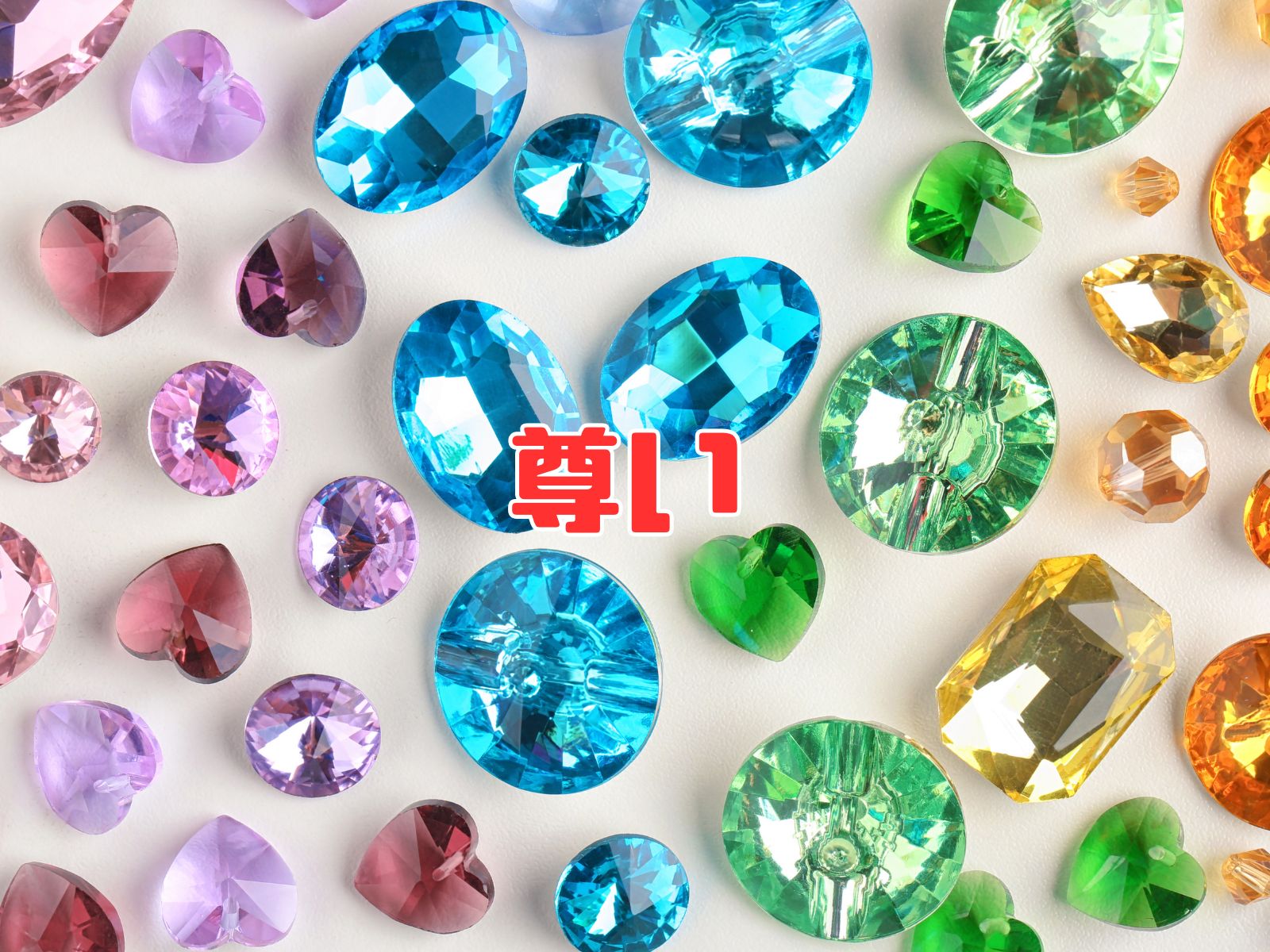
The term "Toutoi" (尊い) has recently gained widespread usage, particularly among young people in Japan.
Originally, it was a word meaning "of high value" or "of noble social status," but in modern times, it is also extensively used to express emotions such as "deeply moving" or "infinitely precious and adorable."
Definition
Lexically, "Toutoi" is traditionally defined as follows:
- High in value. Important. Precious.
For example, the term can be applied to irreplaceable family and friends, or rare documents and cultural assets. - Noble in status. Worthy of high respect. Traditionally, it has been used to refer to individuals occupying highly respected social positions, such as emperors, members of the imperial family, or high-ranking Buddhist monks.
- Sublime and sacred. Holy. Used to describe entities that inspire awe, such as deities, Buddhas, or the majestic power of nature.
- Extremely valuable. Highly appreciated. It is also utilized to express profound gratitude, such as toward a mentor's guidance or a life-saving benefactor.
From these definitions, we can see that "Toutoi" is not only a word indicating the high value of a subject, but also an emotional shorthand encapsulating awe, gratitude, and deep affection.
Etymology and Origins
The etymological origin of "Toutoi" is the classical Japanese word "Tafutoi" (たふとい).
"Tafutoi" was originally related to the word "Futoi" (meaning thick or grand), symbolizing a large, magnificent, and sturdy appearance.
From this concept, it evolved to represent high value and noble status.
Interestingly, the Japanese word for father, "Otousan" (お父さん), is also said to originate from "Otouto-san" (お尊さん - meaning the revered one). This reflects traditional household structures where the father was respected as a sacred, head-of-family presence.
Examples of Usage
"Toutoi" is employed across a diverse range of contexts:
- Traditional Contexts
Phases like "sacred deities/Buddhas" (尊い神仏) and "precious life" (尊い命) are classic usages.
This indicates that "Toutoi" has historically been applied to entities possessing universal, objective value, such as biological life or religious devotion. - Modern Pop Culture and Slang Usage
"Oshi ga toutoi" (推しが尊い - My fave/bias is too precious/wholesome for this world) is a prime example of its recent surge in popularity among fans.
It is used to describe anime characters, idols, or actors toward whom an individual feels an intense sense of attachment, empathy, or wholesome admiration.
On social media platforms like X (formerly Twitter), it is frequently used as a superior alternative to "Moe" (萌え) to describe heartwarming interactions or pure relationships between characters. - Other Contexts: Expressions like "noble effort" (尊い努力) or "noble sacrifice" (尊い犠牲) are applied to human actions, highlighting that the conduct is worthy of absolute admiration.
Related Japanese Terms
| Term | Description |
|---|---|
| Kouki (高貴) | Being high-born, of noble lineage, or possessing refined elegance. |
| Kichou (貴重) | Highly valuable and extremely rare to obtain. |
| Taisetsu (大切) | Important, cherished, and irreplaceable. |
| Subarashii (素晴らしい) | Extremely excellent, inspiring, and wonderful. |
| Saikou (最高) | The ultimate best; superb beyond compare. |
| Kanpeki (完璧) | Flawless, perfect, and leaving nothing to be desired. |
| Emo-i (エモい) | Youth slang expressing nostalgic, melancholic, or emotionally stirring feelings. |
| Moe (萌え) | Strong affection, excitement, or passion felt toward fictional characters or idols. |
| precious | An English term highly close in meaning to the emotional nuance of "Toutoi." |
| adore | An English term meaning to worship, revere, or love deeply. |
| 귀하다 (Gwi-hada) | A Korean word sharing a very similar meaning to "Toutoi." |
Contextual Shifts
The semantic context in which "Toutoi" is used has changed significantly over time:
- Historically, it was reserved for entities with absolute, universally recognized value—such as gods, life, or sacred teachings. This can be described as an objective application of "Toutoi."
- In contemporary society, it is freely applied to subjects of highly subjective, personal value—such as favorite idols, characters, touching events, or brilliant works of art. This expansion illustrates how modern speakers use the term as a deeply personal emotional expression to convey empathy and adoration.
Honorific Expressions and Social Nuances
Since "Toutoi" already encapsulates a high degree of intrinsic reverence, it does not require additional honorific modifications.
However, in formal or written contexts, a prefix might sometimes be attached to form "O-toutoi" (お尊い) to increase politeness.
In professional or business environments, it is generally more appropriate to substitute the slang with formal expressions like "Kanmei wo ukemashita" (I was deeply moved/inspired) or "Taiben benkyou ni narimashita" (I learned a great deal) rather than using "Toutoi" directly.
Conclusion
"Toutoi" is a fascinating Japanese word whose meaning has expanded dynamically alongside cultural shifts.
Particularly among younger generations, it has evolved from denoting objective, lofty value to functioning as a vibrant emotional exclamation for things that are wholesome, endearing, and deeply moving.
The transition from describing sacred, universal concepts like biological life to celebrating subjective, personal passions is a compelling linguistic development, reflecting the diverse and expressive nature of the Japanese language today.
About "Toutoi (尊い - Precious / Wholesome / Otaku Term: Origin, meaning, modern slang usage, and pop culture context in Japan)"
This page provides the English definition and usage guide for the professional term "Toutoi (尊い - Precious / Wholesome / Otaku Term: Origin, meaning, modern slang usage, and pop culture context in Japan)." If you have any suggestions, feedback, or corrections regarding our terminology articles, please feel free to reach out via our contact form.