Dodoitsu (The 7-7-7-5 Syllabic Form of Edo Romance, Sensual Wit, and Musical Heritage)
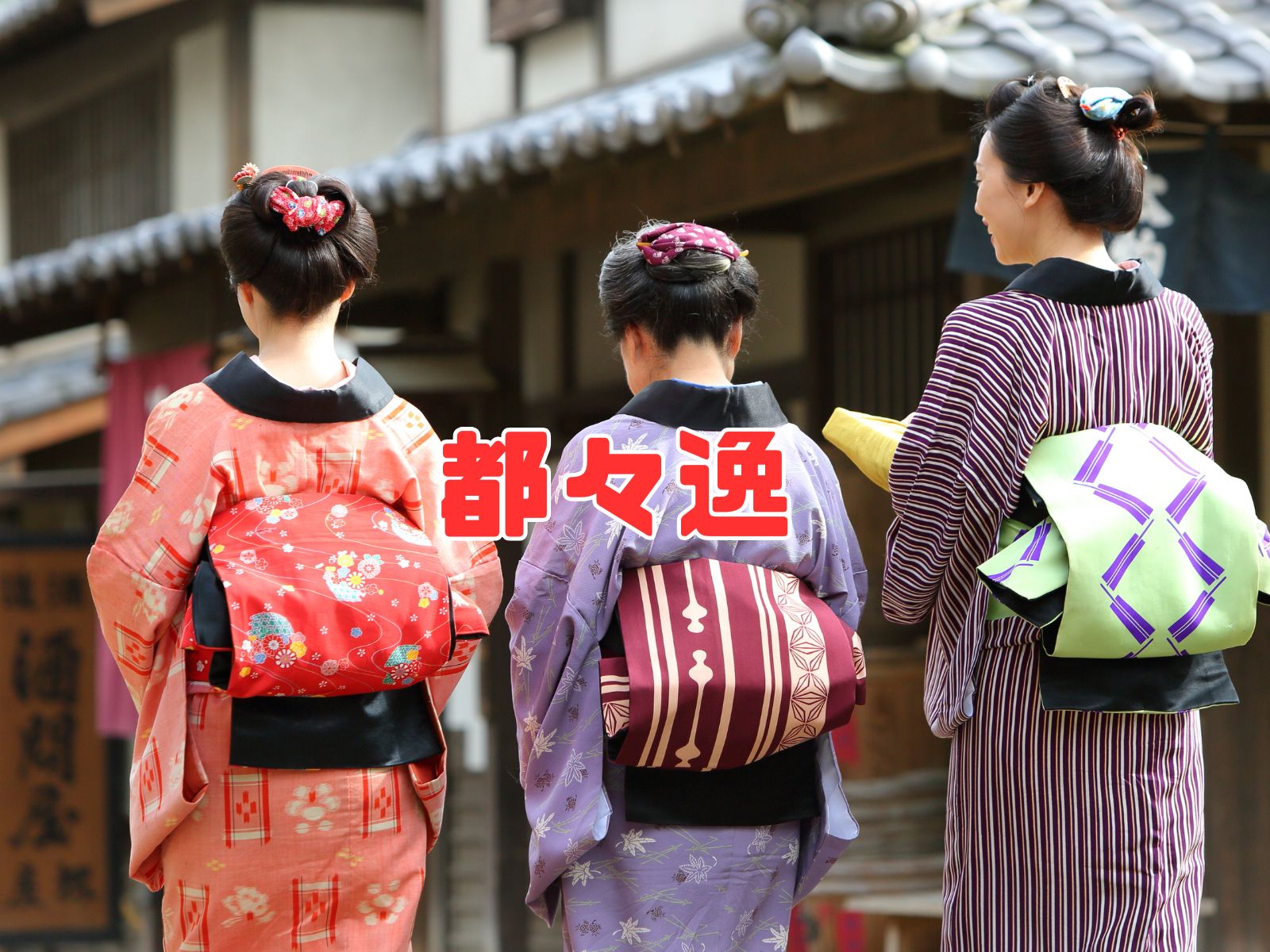
"Horete kayoeba senri mo ichiri, aezu ni kaereba mata senri"
(If I travel in love, a thousand miles feels like one; if I return without meeting you, one mile feels like a thousand.)
Are you familiar with this beautiful, melancholic song?
This is a famous verse from "Dodoitsu" (都々逸)—a traditional Japanese vocal style that has captured human hearts from the late Edo period to the modern day. This comprehensive cultural guide explores the unique charm, history, structures, and modern resurgence of Dodoitsu.
What is Dodoitsu?
Dodoitsu is a short Japanese vocal genre and shamisen-accompanied musical style structured around a highly specific 7-7-7-5 syllabic structure (totaling 26 syllables).
While sharing similarities with haiku and tanka in its brief, condensed format, Dodoitsu is highly colloquial and informal, focusing primarily on everyday merchant life, passionate romance, and witty social satire.
During the Edo period, it became a massive trend in popular theaters (Yose) and entertainment banquets (Ozashiki). Because it utilized everyday speech rather than classical court Japanese, the chic and fashionable citizens of Edo adopted it rapidly, turning Dodoitsu into a defining soundtrack of urban culture.
The Historical Origin of Dodoitsu
While several historical origins are debated, the leading consensus trace Dodoitsu back to "Godo-bushi" (神戸節), a popular folk song that spread around the Atsuta shrines in Nagoya during the late 18th century.
Godo-bushi was sung primarily by travelers and pleasure-seekers at post stations, featuring lively rhythmic nonsense refrains like: "Okame kau yatsu atama de shireru, abura tsukezu no futatsubori" and "Soitsu wa doitsu da DODOITSU DOI DOI, ukiyo wa sakusaku."
This rhythmic refrain "Dodoitsu doi doi" is widely believed to be the etymological origin of the term "Dodoitsu."
While Godo-bushi eventually faded in Nagoya, it migrated to Edo and Kyoto under the name "Nagoya-bushi," becoming a popular street song.
Once in Edo, it blended with "Yoshiko-bushi" and other popular vocal styles. Around 1838, the legendary Yose performer Dodoitsubo Senka I refined these elements to establish the modern musical cadence and shamisen arrangements of Dodoitsu.
Born in Hitachi-Ota, Ibaraki Prefecture, Senka I won massive popularity in Edo due to his gorgeous vocals and brilliant shamisen skills, cementing the genre's name. Spun in Yose theaters and high-end Ozashiki banquets, geisha performers played a crucial role in spreading Dodoitsu throughout urban society.
Key Stylistic Characteristics
Structure and Syllabic Cadence (7-7-7-5)
The defining signature of Dodoitsu is its rigid, highly rhythmic structure. It condenses vivid scenes, intense emotions, and humor into a tight frame of 7-7-7-5 syllables (26 total).
This cadence perfectly aligns with the natural rhythmic phrasing of the Japanese language, making it highly colloquial, memorable, and easy to sing.
While the standard structure is七七七五, variations include the 5-7-7-7-5 form, and "Anko-iri" where theatrical dialogue or other song segments are inserted in the middle.
Usually performed in a 3-4, 4-3, 3-4, 5 rhythm, singers insert strategic pauses and rests to make the delivery feel extremely natural and conversational.
Performers also utilize deliberate "jiamari" (syllable excess) or "monkunashi" (phrase omissions) to expand the expressive boundaries of Dodoitsu.
Linguistic Puns and Expressive Techniques
Dodoitsu relies heavily on casual, colloquial everyday speech, portraying the raw emotions and daily struggles of the common classes with high realism.
It makes frequent use of sophisticated wordplay, clever puns (kakekotoba), and sharp wit, keeping listeners amused or deeply reflective.
Furthermore, Dodoitsu is structurally linked with the shamisen. The slides, plucks, and syncopated rhythms of the instrument evoke subtle emotions and moods that words alone cannot convey, utilizing triplets and off-beat patterns to maximize the song's chic allure.
Standard Themes (Romance, Satire, and Morality)
A vast majority of Dodoitsu focus on passionate romance, earning them the title of "Joka" (情歌 - love songs).
However, the genre also covers social satire, political commentary, and moral life lessons. During the Meiji Restoration, Dodoitsu actively tracked the rapid modernization of Japan.
For example, during the Freedom and People's Rights Movement, activists sang: "Yoshiya ukime no Arabia-kai mo, watasha jiyu wo Kibou-hou" (Even if I face harsh waves in the Arabian Sea, I will navigate toward the Cape of Good Hope for Liberty), utilizing the popular medium to propagate democratic ideals. Modern writers continue to compose Dodoitsu to reflect contemporary struggles, demonstrating the genre's timeless adaptability.
Comparative Analysis with Similar Musical Arts
Dodoitsu shares the traditional shamisen-accompanied short vocal category with genres like Hauta, Kouta, and Utazawa. They all capture common class sentiments within brief structures:
| Genre | Syllabic Form | Key Artistic Characteristics | Typical Themes |
|---|---|---|---|
| Dodoitsu | Strict 7-7-7-5 (26 syllables) | Highly colloquial; focuses on intense wordplay, rapid puns, and humor. | Passionate romance, romantic longing, social satire, life moral lessons. |
| Hauta | Variable / Freeform | A simplified offshoot of classical Nagauta; serves as a broad category of short songs. | Chic merchant lifestyle, seasonal aesthetics, quiet romance. |
| Kouta | Variable / Short | A lighter, more casual adaptation of Hauta, often played with bare fingers (no plectrum). | Aesthetics, chic trends, romance, social entertainment. |
| Utazawa | Variable | Hauta refined with advanced vocal techniques and intense emotional depth. | Passionate love, tragic romance, human joy and sorrow. |
Compared to these related genres, Dodoitsu places far greater emphasis on improvisation, rapid wordplay, and direct wit. While Hauta, Kouta, and Utazawa focus heavily on the singer's technical vocal control and absolute emotional projection, Dodoitsu prioritizes the intellectual fun of the lyrics, the quickness of the punchline, and active, playful communication with the audience.
Dodoitsu in the Modern Era
Following the Meiji period, the influx of Western music led to a gradual decline in Dodoitsu's mainstream popularity. Nevertheless, dedicated preservation groups and amateur societies continue to pass down the art across Japan today.
Furthermore, Dodoitsu continues to evolve as a modern literary medium, with writers composing new verses to capture contemporary life and technologies.
Authoritative media like NHK host specialized call-outs for seasonal Dodoitsu, keeping the genre visible.
In 1904, famed journalist Ruiko Kuroiwa launched the "Riyo Seicho" (俚謡正調) movement to elevate the literary and artistic status of Dodoitsu, showing that it was embraced as a vital poetic medium rather than a simple pub song. Even French poet Paul Claudel was fascinated by the genre, translating a collection of Dodoitsu into French, highlighting its global artistic appeal.
Prominent Examples of Classical Dodoitsu
Let us explore some defining examples of Dodoitsu to appreciate their lyrical brilliance:
-
"Horete kayoeba senri mo ichiri, aezu ni kaereba mata senri"
This immortal verse captures the extreme focus of a lover: traveling to meet a partner makes a thousand miles feel like one, yet returning home without meeting them turns a single mile back into an agonizing thousand. The symmetry and simple language convey powerful emotional truth. -
"Sanzen sekai no karasu wo koroshi, nushi to asane ga shitemitai"
Historically attributed to the Bakumatsu revolutionary Takasugi Shinsaku, this bold Dodoitsu translates: "I wish to kill all the crows in the three thousand worlds, so I might sleep late in the morning with my love without their cawing waking us." It displays a fierce, dramatic passion combined with classic Yose wit. -
"Tateba shakuyaku, saureba botan, aruku sugata wa yuri no hana"
(Standing, she is a Chinese peony; sitting, a tree peony; walking, she is a lily.) This famous verse praises a woman's grace by mapping her posture to three highly elegant flowers, utilizing the 7-7-7-5 Dodoitsu cadence to create a timeless standard of aesthetic beauty. -
"Kyou no sora, hana ka momiji ka shiranaikeredo, kaze ni fukarete yuku wai na"
Composed by Dodoitsubo Senka I, this "Goji-kaburi" (five-syllable prefix) Dodoitsu translates: "The sky today—whether filled with cherry blossoms or autumn leaves, I do not know, but I shall drift wherever the wind blows me." It captures a beautiful, carefree attitude toward life's uncertainties.
Conclusion
Dodoitsu has served as a gorgeous, living mirror reflecting Japanese hearts, daily lives, and passionate romance since the late Edo era.
Condensing complex emotions, social trends, and humor into a brief frame of 26 syllables, it continues to transcend time to strike a chord in contemporary audiences.
Its elegant simplicity and deep expressive capacity remain vital monuments to Japanese linguistic art, and we look forward to seeing new generations of Dodoitsu continue to enrich the cultural landscape.
Bibliography
For those seeking deeper analysis of Dodoitsu, the following texts are highly recommended:
- Yoshinosuke Yoshizumi (ed.) & Keinosuke Ono (auth.), *Dodoitsu is Wonderful*, Kadokawa.
- Fujindo Nakamichi, *Introduction to Dodoitsu*, Sangokan.
- Sumi Tamagawa, *Dodoitsu Kaleidoscope*, Kumazasa Publishing.
- Fujindo Nakamichi, *Dodoitsu Manyoshu*, Tokuma Shoten.
About "Dodoitsu (The 7-7-7-5 Syllabic Form of Edo Romance, Sensual Wit, and Musical Heritage)"
This page provides the English definition and usage guide for the professional term "Dodoitsu (The 7-7-7-5 Syllabic Form of Edo Romance, Sensual Wit, and Musical Heritage)." If you have any suggestions, feedback, or corrections regarding our terminology articles, please feel free to reach out via our contact form.