Nyugin-bon 'Hitome Senbon' (入銀本『一目千本』 - Tsutaya Juzaburo's Sponsored Courtesan Directory, Woodblock Print Advertising, and Historical Marketing Legacy)
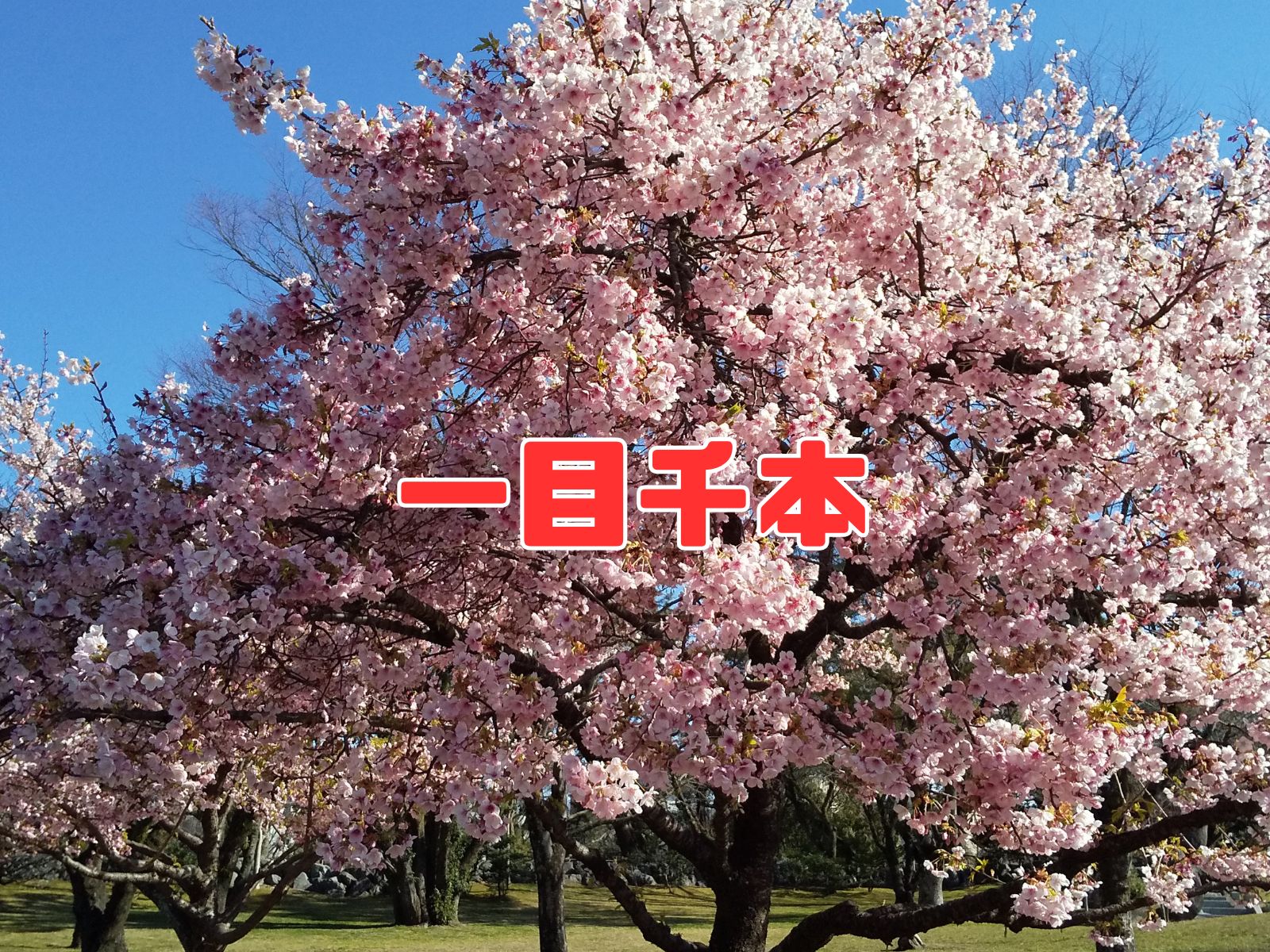
During the middle of the Edo period, a time when urban merchant culture was flourishing and the woodblock printing industry was highly active, a highly innovative book was published. Titled Hitome Senbon (一目千本 - "A Thousand Cherry Blossoms at a Single Glance"), this book served as a specialized directory of Yoshiwara courtesans, poetically comparing each woman's personality to a unique seasonal flower.
This study provides an exhaustive analysis of Hitome Senbon—exploring its artistic contents, its famous publisher, its revolutionary role as a sponsored advertisement ("Nyugin-bon"), and its enduring legacy in Japanese publishing history.
Overview of Hitome Senbon
Published in the 7th month of the An'ei 3 era (July 1774), Hitome Senbon is a prominent "Yujo Hyobanki" (courtesan ratings directory).
The book elegantly structures its pages by presenting two Yoshiwara courtesans per page, pairing each woman with a beautifully detailed seasonal flower. The illustrations were rendered by Kitao Shigemasa, one of the most celebrated woodblock print artists (Ukiyo-e) of the period.
For example, Shigemasa and the publisher cleverly mapped the women's personalities to botanical features—comparing a highly sophisticated, aloof courtesan to pungent Wasabi flowers, and a famously luxurious, dramatic courtesan to the opulent Peony, capturing the public's imagination.
Art historians classify Hitome Senbon as a "Gigi-Saiken" (擬細見 - a creative parody directory). Unlike a dry, standard directory of Yoshiwara names and prices, it utilized rich poetic metaphors and high-end illustrations to deliver entertainment value alongside advertising.
| Dimension | Historical Detail |
|---|---|
| Publication Year | An'ei 3 (1774) |
| Publisher / Producer | Tsutaya Juzaburo (蔦屋重三郎) |
| Lead Illustrator | Kitao Shigemasa (北尾重政) |
| Core Concept | Yoshiwara courtesans compared to seasonal flowers |
| Primary Objective | Sponsored advertising and high-end gifts for patrons |
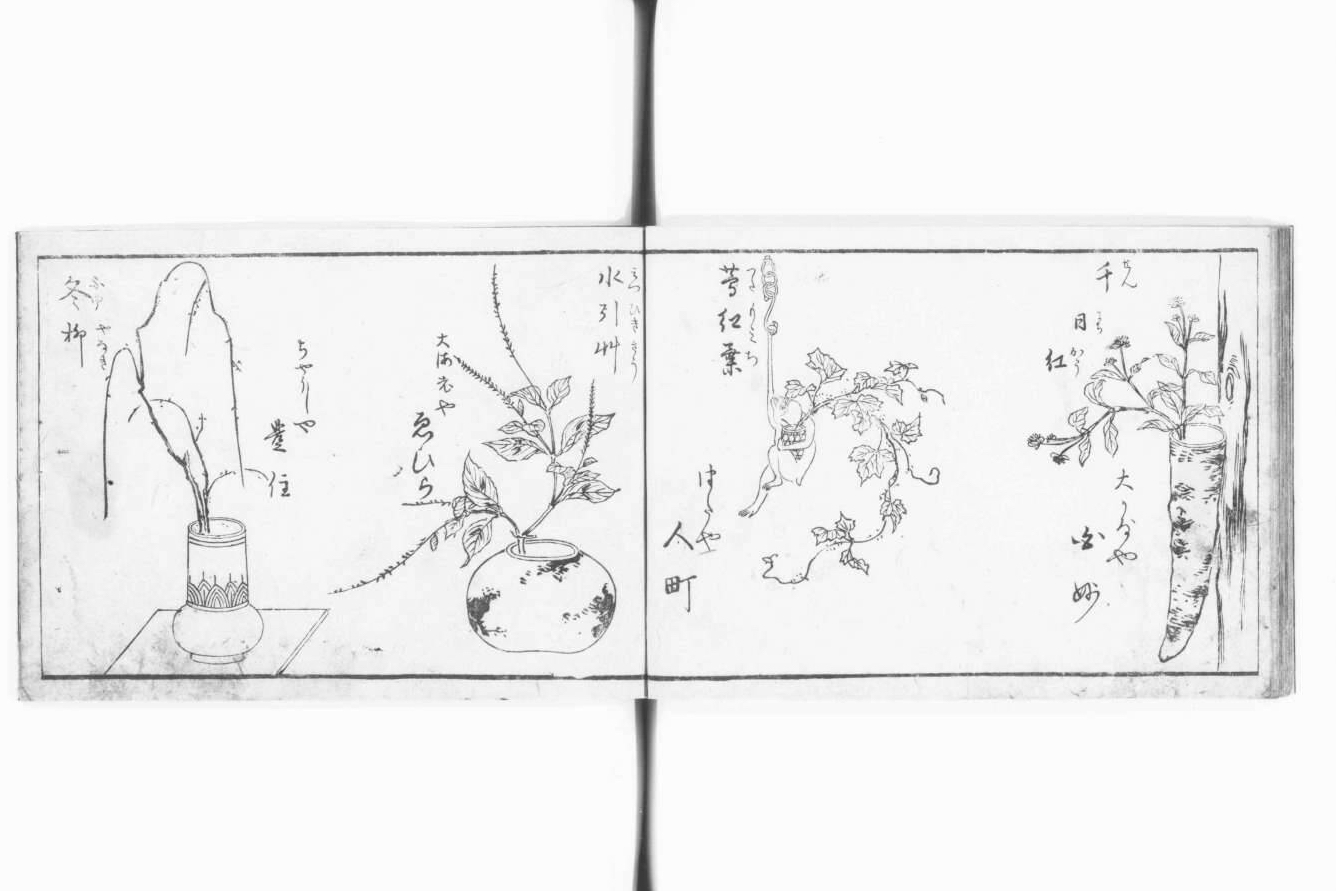
Source: National Institute of Japanese Literature Database, https://doi.org/10.20730/100080738
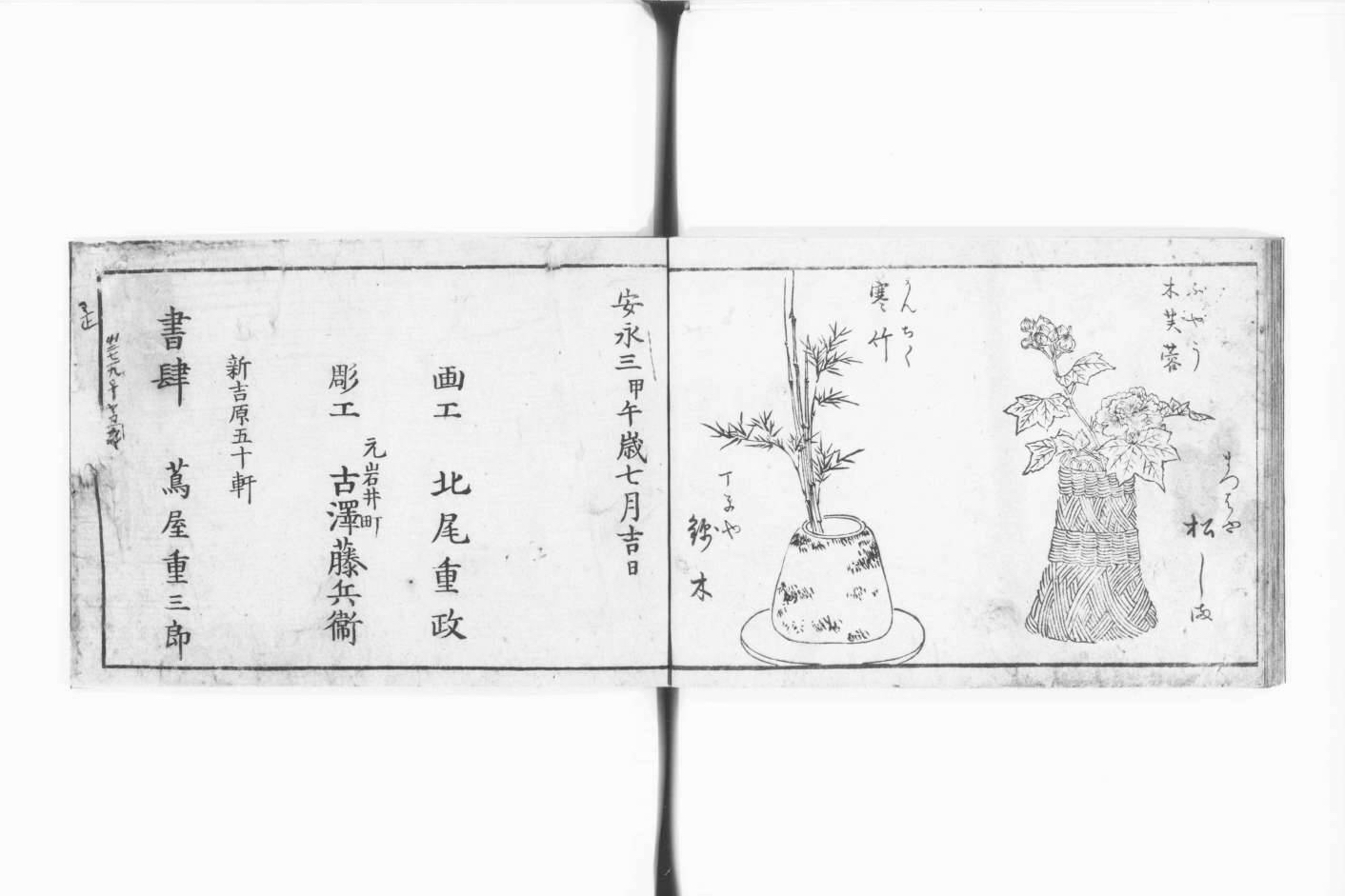
Source: National Institute of Japanese Literature Database, https://doi.org/10.20730/100080738
Linguistic Meaning: The Origin of the Title "Hitome Senbon"
The title Hitome Senbon (meaning "a thousand blossoms in a single glance") is a direct poetic borrowing from the famous cherry blossom viewpoint in Yoshinoyama, Nara Prefecture. Yoshinoyama's cherry trees had been planted over 1,300 years as sacred御神木 (oshimboku) dedicated to the deity Zao Gongen by the ascetic founder En no Gyoja, eventually filling the valley with thousands of trees.
In 1594, Toyotomi Hideyoshi hosted a legendary cherry blossom party at Yoshinoyama with over 5,000 guests, including samurai icons like Tokugawa Ieyasu and Date Masamune who dressed in creative costumes—a historical gathering that many cultural historians consider the original ancestor of modern costume cosplay events.
By utilizing this culturally loaded, prestigious geographical name for his book, Tsutaya Juzaburo sought to elevate the reputation of the Yoshiwara district, suggesting that the courtesans gathered there represented an equally spectacular "thousand blossoms at a single glance."
The Legendary Publisher: Tsutaya Juzaburo
The mastermind behind Hitome Senbon was Tsutaya Juzaburo, arguably the most influential publisher and producer of the Edo period.
Born into a family that operated a teahouse in the Yoshiwara pleasure quarters, Juzaburo went on to open a print shop near the gates, quickly expanding into broad commercial publishing across comic novels (Sharebon), illustrated storybooks (Kibyoshi), and Ukiyo-e prints.
Operating out of Yoshiwara's vibrant cultural salon, Juzaburo possessed an extraordinary eye for artistic talent. He discovered, nurtured, and published the works of legendary Edo artists and writers, including Utamaro, Sharaku, Hokusai, Kyoden, Bakin, and Harumachi, cementing his legacy as a historic creative producer.
Juzaburo's initial breakthrough came from publishing the official Yoshiwara guidebooks, Yoshiwara Saiken (吉原細見). At the time, the publishing rights were held by rival firm Uregataya Magobe. Juzaburo worked closely as the official auditor ("Aratame") who edited and verified the latest courtesan names and rankings, establishing deep inside knowledge of the district that directly supported the creation of Hitome Senbon.
Juzaburo's meticulous editing and high aesthetic standards allowed him to surpass Magobe, who lost public trust by pirating Kyoto publications. This fierce rivalry drove Juzaburo to push the boundaries of book design, leading to highly creative marketing concepts like Hitome Senbon.
Sponsored Publications: The Business Design of "Nyugin-bon"
From a business perspective, Hitome Senbon was structured as a "Nyugin-bon" (入銀本)—a sponsored publication.
"Nyugin" literally translates to "entering silver" (receiving funding). In Edo publishing, this meant that the Yoshiwara brothel owners ("G樓") paid active silver sponsorships to Tsutaya Juzaburo to have their courtesans featured prominently in the book, serving as an early ancestor of modern programmatic and native advertising.
Juzaburo deployed a brilliant marketing campaign for the launch. Initially, Hitome Senbon was not sold to the general public. Instead, it was printed as a high-end, limited-edition gift distributed exclusively to elite Yoshiwara establishments.
This artificial scarcity generated massive public interest and turned the book into a prestigious gift that courtesans could present to their wealthiest regular patrons, boosting their reputation. Once the elite demand peaked, Juzaburo printed a commercial edition for the general public, generating massive sales and promoting the Yoshiwara district as a whole.
Modern Evaluation and Cultural Legacy
Today, Hitome Senbon is celebrated by art historians as a masterpiece of Edo-period print culture, demonstrating the brilliant coordination of Tsutaya Juzaburo's marketing strategies and Kitao Shigemasa's beautiful line art.
The book serves as a vital historical resource documenting the fashion, aesthetics, and social dynamics of 18th-century Edo. It stands as a testament to Juzaburo's genius as a creative producer who seamlessly merged artistic beauty with highly profitable corporate advertising.
In celebration of Tsutaya Juzaburo's life—featured in the 2025 NHK Taiga Drama Beraibou: Tsutaju Eiga no Yumebanashi—multiple modern design brands have released original items inspired by Hitome Senbon.
Specifically, the premium 10-minute aroma brand hibi launched a commemorative incense titled "Hitomesenbon," combining notes of cherry blossoms, lilies, and peonies to evoke the fleeting glamour of Yoshiwara nights. Additionally, the fragrance brand J-Scent released "Tsutaju," an elegant perfume featuring the scent of green calligraphy ink to capture the intellectual spirit of the legendary publisher.
Accessing the Historical Archive Online
Because of its historic rarity, original printed editions of Hitome Senbon are highly prized and kept in secure archives. The primary preserved copy is held by the Osaka University Library and has been fully digitized for public review on the National Institute of Japanese Literature Database:
→ Official Database Entry: https://doi.org/10.20730/100080738
Conclusion
Hitome Senbon is a magnificent monument of Japanese print history, representing the perfect marriage of Kitao Shigemasa's artistic genius and Tsutaya Juzaburo's revolutionary marketing strategies. As a sponsored "Nyugin-bon" that transformed corporate advertising into a highly valued art form, its legacy continues to inspire modern designers, perfumers, and storytellers, proving that creative commerce holds enduring cultural power.
About "Nyugin-bon 'Hitome Senbon' (入銀本『一目千本』 - Tsutaya Juzaburo's Sponsored Courtesan Directory, Woodblock Print Advertising, and Historical Marketing Legacy)"
This page provides the English definition and usage guide for the professional term "Nyugin-bon 'Hitome Senbon' (入銀本『一目千本』 - Tsutaya Juzaburo's Sponsored Courtesan Directory, Woodblock Print Advertising, and Historical Marketing Legacy)." If you have any suggestions, feedback, or corrections regarding our terminology articles, please feel free to reach out via our contact form.