Yuki-okoshi (雪起こし - Yuki-okoshi: Meteorological winter thunder on the Japan Sea coast, forestry winter hazard prevention, and regional nomenclature)
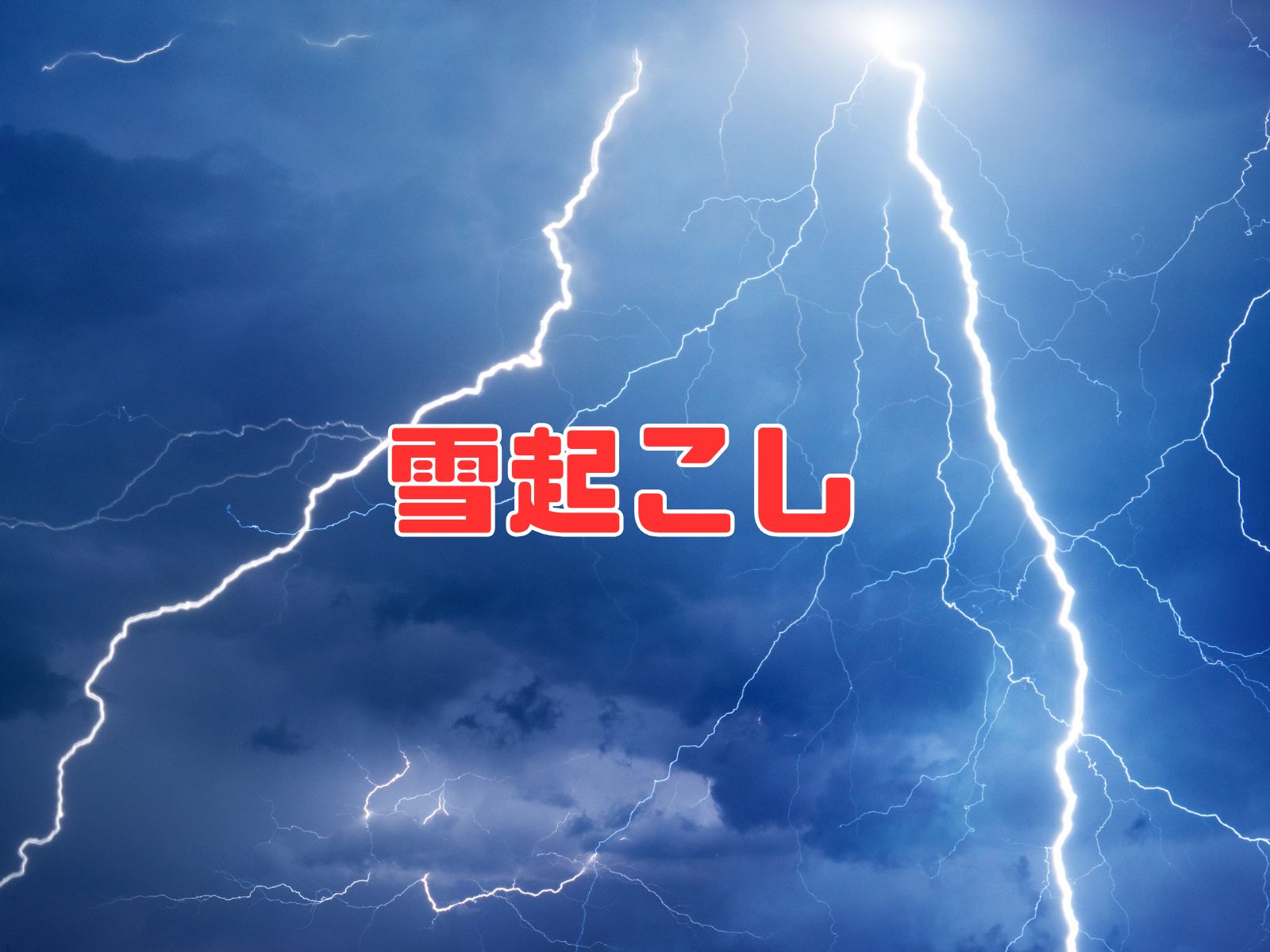
"Yuki-okoshi" (雪起こし - literally meaning "snow waker") refers primarily to the rare, snow-accompanied winter lightning and thunder that occurs along the Japan Sea coast in early winter.
In the forestry industry, the term also designates the vital physical work of straightening and securing young trees that have been bent down by heavy snow pressure to prevent permanent snow damage.
The name originates from the poetic idea that the early-winter thunderclaps sound as if they are "waking up the sleeping winter snow." Depending on the region and the local fishery harvests, it is also called "Yuki-oroshi" (雪おろし), "Buri-okoshi" (鰤起こし), or "Hatahata-okoshi" (鰰起こし).
The Meteorological Mechanism of Yuki-okoshi
Yuki-okoshi lightning is heavily triggered by the strong winter atmospheric pressure patterns typical of the Japanese archipelago. When freezing, bone-dry air masses blowing from Siberia pick up massive warmth and moisture while crossing the relatively warm Japan Sea, they collide with the steep mountain ranges of Japan, prompting cumulonimbus clouds (thunderheads) to develop with extreme rapidity.
These localized storm clouds unleash intense blizzards accompanied by violent claps of lightning, frequently triggering massive, sudden snowfalls.
Typical Season and Timing
This meteorological event occurs primarily in early winter, specifically between November and December. During this phase, the Siberian High pressure system intensifies, driving powerful surges of sub-zero air across the ocean.
Yuki-okoshi is culturally celebrated as the ultimate harbinger of heavy winter snow. Historically, local residents knew that once the loud winter thunder rolled, a massive snowstorm would begin blanketing the landscape within hours.
Required Atmospheric Conditions
Yuki-okoshi is highly likely to occur when the following three meteorological factors align:
- Strong Winter Pressure Gradients: Siberian high-pressure systems driving powerful, freezing winds across the Japan Sea.
- Warm Ocean Surface Temperatures: The relatively warm waters of the Japan Sea evaporating massive water vapor, feeding the incoming cold air.
- Upper-Atmosphere Cold Surges: Freezing air entering the high atmosphere, creating extreme instability that forces the rapid, vertical growth of thunderheads.
Fascinating Weather Facts
Yuki-okoshi (winter lightning) is an exceptionally rare phenomenon globally. Outside of the Japan Sea coast, it is only regularly observed along the western coast of Norway and the Great Lakes region of the United States. Furthermore, compared to standard summer lightning, winter lightning claps feature significantly longer discharge times and carry massively higher electrical energy, frequently striking with devastating power.
Because it occurs during heavy snows, meteorologists also call it "Winter Lightning" (冬季雷 - Tōkikai). Along the Japan Sea coast, certain cities experience far more lightning strikes in winter than in summer. For example, while the city of Kanazawa averages only 3 days of thunder in July and August combined, it experiences 6 to 7 active lightning days in December and January alone, driven by coastal thunderheads.
Regional Nomenclature of Winter Lightning
| Region | Local Nomenclature |
|---|---|
| Hokkaido | Yuki-okoshi (雪起こし) |
| Various Districts | Yuki-oroshi (雪おろし) |
| Hokuriku / Toyama | Buri-okoshi (鰤起こし) |
| Tohoku / Akita | Hatahata-okoshi (鰰起こし) |
| Sea Coast Areas | Ippatsu-rai / Single-Strike Thunder (一発雷) |
| Toyama Bay | Buri-okoshi / Yellowtail Waker (鰤起こし) |
Cultural Beliefs and Sourcing
Historically, these winter thunderclaps have been closely intertwined with local industries and coastal lifestyles:
- Buri-okoshi (Yellowtail Waker): In Toyama Bay, early winter lightning is highly celebrated by fishermen. They believe the violent thunder shocks and "wakes up" the prize Japanese amberjack (Buri) from the deep sea, prompting them to migrate into bay nets, signaling a bountiful winter harvest.
- Yuki-okoshi (Snow Waker): In snowy mountain provinces, hearing the first rolling winter thunder served as the traditional cue to winterize homes, stock up on charcoal, and prepare farming gear for heavy snows.
Yuki-okoshi in Forestry Operations
In the forestry sector, "Yuki-okoshi" designates an entirely different, vital labor practice. When heavy, wet snow accumulates, its massive weight bends down young, sapling trees (especially cedar and cypress). If left untreated, the wood fibers harden in this bent state during spring growth, permanently ruining the lumber's commercial value. Forestry crews must hike into the snowy forests immediately after the thaw to physically pull the saplings straight ("wake up the trees") and tie them securely to vertical stakes.
Critical Winter Safety Precautions
Because Yuki-okoshi rolls in right before heavy blizzards, residents must immediately implement safety protocols:
- Enforcing Safe Commutes: Freezing temperatures cause sudden black ice on roads. Drivers must avoid rapid lane shifts, reduce speeds, and preserve wide spacing.
- Secure Outdoor Snow Shoveling: Roof snow clearing is a high-risk activity. Shovelers must always work in pairs, wear safety harnesses, and watch out for sudden roof slides.
Conclusion
"Yuki-okoshi" is a magnificent, highly powerful natural event that beautifully signals the arrival of winter along the Japan Sea coast. Bridging advanced atmospheric science with ancient coastal fishing folklores and crucial forestry restoration work, this winter thunder remains a highly unique, dramatic highlight of Japan's seasonal calendar.
Whether celebrated by fishermen as the lucky "Buri-okoshi" that drives prize amberjack into Toyama nets, or respected by mountain crews as a call to secure young saplings, it stands as a powerful symbol of early winter.
I hope this environmental and meteorological guide helps you appreciate the raw, magnificent power of winter on the Japan Sea coast!
About "Yuki-okoshi (雪起こし - Yuki-okoshi: Meteorological winter thunder on the Japan Sea coast, forestry winter hazard prevention, and regional nomenclature)"
This page provides the English definition and usage guide for the professional term "Yuki-okoshi (雪起こし - Yuki-okoshi: Meteorological winter thunder on the Japan Sea coast, forestry winter hazard prevention, and regional nomenclature)." If you have any suggestions, feedback, or corrections regarding our terminology articles, please feel free to reach out via our contact form.