Kameriha (カメリハ - Camera Rehearsal: Technical Blocking, Camera Blocking, and Live Broadcast Synchronization)
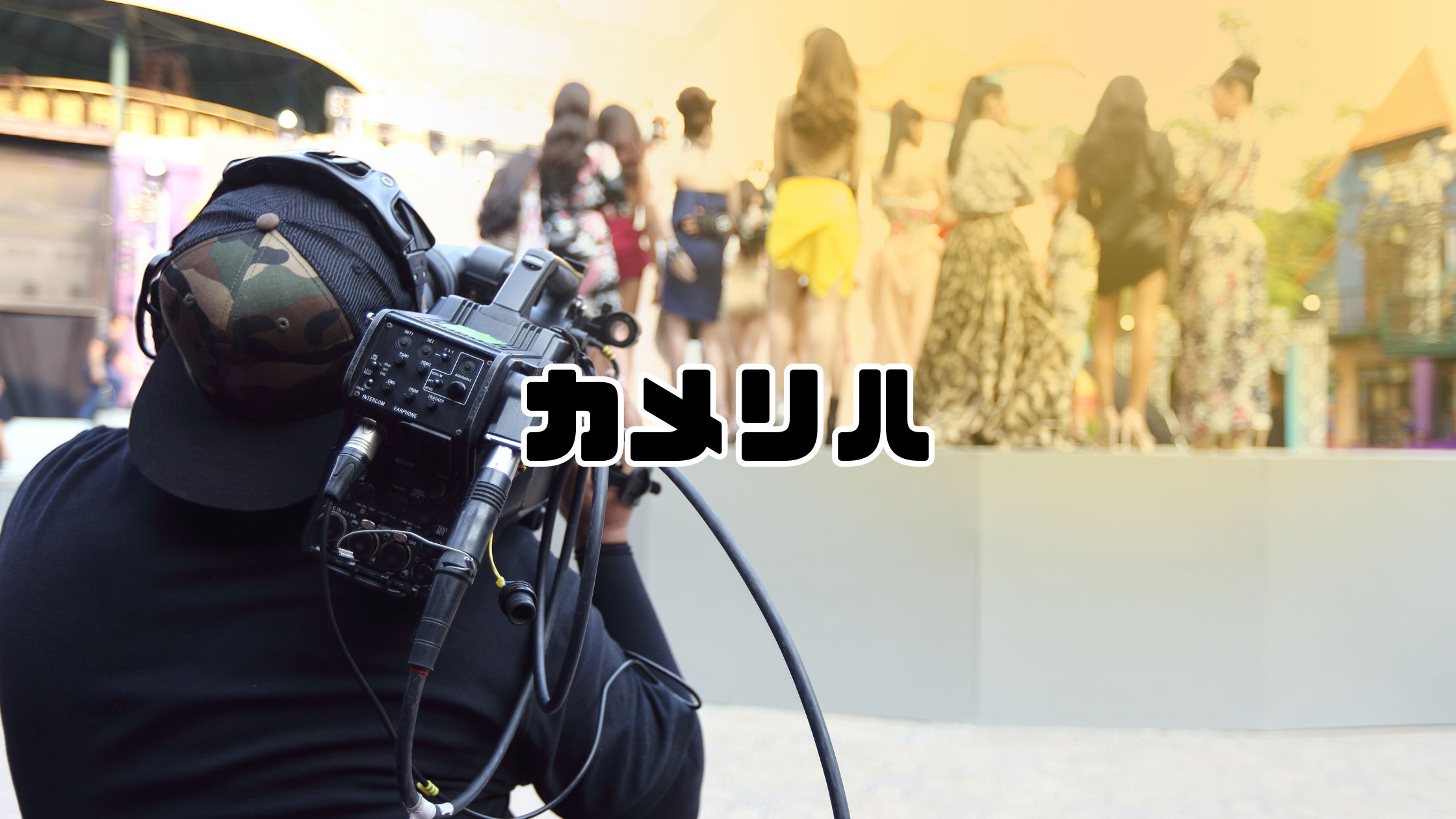
"Kameriha" (カメリハ) is a Japanese television industry abbreviation for "Camera Rehearsal" (カメラリハーサル). It represents a critical run-through conducted under conditions almost identical to the actual show, focusing on verifying camera movements, talent positioning, lighting adjustments, and audio levels.
Utilized predominantly in live broadcasts and recorded studio programs, its ultimate objective is to ensure that the actual production proceeds flawlessly without any technical friction.
Core Objectives of Kameriha
- Verifying Camera Work (Camera Blocking)
Confirming the physical positioning of each camera, panning and zooming movements, and the precise timing of switching (switching cues) between cameras to capture optimal angles. - Blocking Talent Movements
Tracking the positions and movement paths (blocking) of the hosts, actors, or guests to ensure camera operators can track them smoothly. If necessary, stage directions are revised during this phase. - Fine-Tuning Audio and Lighting
Monitoring mic audio levels, wireless frequencies, and lighting shadows on the performers to make real-time engineering adjustments. - Detecting and Resolving Technical Glitches
Identifying equipment failures, cabling issues, or software bugs to fix them before the show goes live. - Synchronizing Crew Coordination
Aligning the real-time communication between camera operators, audio mixers, lighting techs, and the floor director to achieve seamless studio operation.
Distinguishing "Kameriha" from "Rehearsal" and "Dry Rehearsal"
- Rehearsal
A broad term encompassing all forms of practice run-throughs, including actors reading lines or walking through scenes. - Dry Rehearsal
A run-through conducted without active cameras or technical equipment. It focuses strictly on talent movements, dialogue pacing, and basic stage blocking. It is used to clearly demarcate the preliminary phase from the highly technical camera rehearsal.
Typical Workflow of Kameriha
- Performers and production crew gather in the studio or on location.
- Dry Rehearsal (executed as needed to lock in talent blocking).
- Engineers prepare, position, and calibrate cameras, microphones, and lighting.
- Kameriha execution. The rehearsal is run, typically from start to finish, simulating real-world conditions.
- Review and notes addressing parts that require corrections or technical adjustments.
- Locking in technical settings post-rehearsal.
- The Actual Show / Live Recording.
Practical Examples of the Term in Usage
-
"Tomorrow's live broadcast has its kameriha scheduled at 10:00 AM sharp, so please do not be late."
Notifying the crew and talent of the technical run-through starting time. -
"I want to redo the kameriha for this specific scene one more time."
Requesting to recheck technical angles for a complex segment during rehearsal. -
"Make sure to double-check the camera tracking paths during kameriha."
Instructing camera operators to verify their movement lines. -
"Based on the kameriha footage, the lighting setup looks perfect."
Confirming the quality of lighting coverage after viewing the monitor feed. -
"We had a minor technical issue during kameriha. Please identify the root cause immediately."
Instructing engineers to troubleshoot an equipment glitch discovered during the run-through. -
"Because this program is a live broadcast, we will perform an exceptionally thorough kameriha."
Explaining why the team is dedicating extensive time to the technical camera rehearsal.
Serving as a vital safety net for both live television and complex studio recordings, it ensures smooth broadcasting. I hope this detailed guide helps you master the technical mechanics behind Japanese media production!
About "Kameriha (カメリハ - Camera Rehearsal: Technical Blocking, Camera Blocking, and Live Broadcast Synchronization)"
This page provides the English definition and usage guide for the professional term "Kameriha (カメリハ - Camera Rehearsal: Technical Blocking, Camera Blocking, and Live Broadcast Synchronization)." If you have any suggestions, feedback, or corrections regarding our terminology articles, please feel free to reach out via our contact form.