Kobanshyo (香盤表 - Japanese Media Production Schedule Grid: Origin of the Term, Call Sheet Structures, Cast & Crew Coordination Slang)
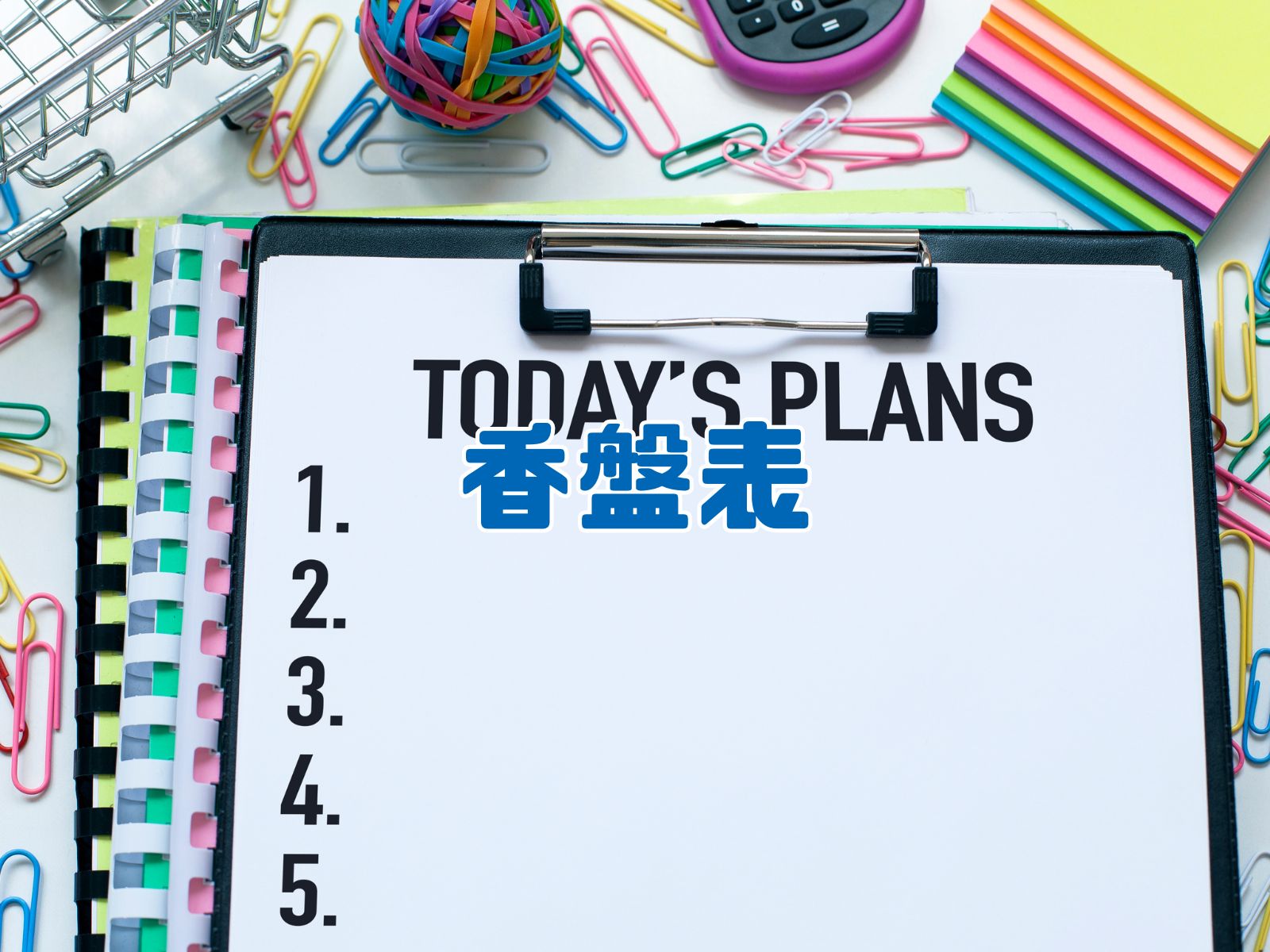
"Kobanshyo" (香盤表 - Koban-hyo or Koban Table) is a widely utilized Japanese television and entertainment industry slang referring to a comprehensive scene schedule, call sheet matrix, or coordination grid that details every performer's entrance, shoot timing, scene sequence, and administrative timeline during a production, live broadcast, or public event.
In simple terms, it functions as a highly detailed, vital cheat sheet for the cast and crew, showing exactly "who" needs to be "where," "when," and doing "what."
Etymological Origins of "Kobanshyo"
There are several highly fascinating historical theories regarding the origin of the term "Kobanshyo":
- The Kabuki Theatre Theory:
In traditional Kabuki theatre, the backstage master-board displaying dressing room assignments and stage entrance cues was historically called the "Koban" (香盤). This theatrical backstage jargon was directly inherited by modern television and film crews. - The Sumo Wrestling Theory:
The traditional sumo match-up grid (Hoshitorihyo) historically resembled a "Koban" (a grid plate used for burning incense sticks to measure time). This similarity led to schedule grids being called Kobanshyo. - The Go & Shogi Theory:
The grid-pattern boards utilized in traditional board games like Go or Shogi were historically referred to as "Koban," which inspired the grid-layout schedules. - The Incense stick Time-keeping Theory:
In traditional geisha houses (Okiya), burning incense sticks on a grid plate ("Koban") was the standard method for measuring and billing time. This grid-based time-tracking system eventually evolved to denote strict schedule boards.
The Vital Role of a Kobanshyo
The Kobanshyo plays a highly critical role in ensuring that complex TV recordings and massive events proceed smoothly and efficiently:
- Production Flow Management:
By outlining the entire day's flow, specific scene start times, and expected durations, it ensures a highly structured and synchronized shooting pace. - Cast Schedule Optimization:
It tracks each actor's exact arrival, makeup, shooting, and wrap-up times, maximizing schedule efficiency and avoiding costly waiting delays. - Universal Crew Synchronization:
Serving as a central source of truth, it allows every department (camera, lighting, sound, makeup, art) to remain perfectly aligned on the day's progression. - Rapid Crisis Response:
If an unexpected delay or weather issue occurs, the director can reference the Kobanshyo to quickly reshuffle scenes and adapt fluidly. - Historical Log Record:
It serves as an invaluable official log of the production's actual chronological progress and administrative history.
Key Elements Recorded in a Kobanshyo
While details vary depending on the scale and medium of the project, a standard Kobanshyo typically features a grid layout containing the following items:
- Scene Number: The sequential ID code assigned to each specific scene in the script.
- Location / Set: Brief description of the physical location or studio set.
- Time Code: Expected start, end, and duration block for the segment.
- Cast List: Names of the specific actors or guests required for the scene.
- Scene Content: Brief summary of the actions, dialogues, camera setups, or director cues.
- Sound & Lighting (SFX): Technical cues, audio tracks, or lighting directions.
- Art & Props: Required set designs, costumes, or specific props needed.
- Remarks / Notes: Crucial announcements, hazard warnings, or administrative instructions.
Common Types of Kobanshyo
Depending on the user and specific scope, different versions of the Kobanshyo are generated:
- Master Kobanshyo:
The complete, top-level schedule detailing the entire production day for all departments. - Segment Kobanshyo:
A highly detailed schedule focused strictly on a complex corner or specific high-budget scene. - Talent / Cast Kobanshyo:
A specialized version customized for a high-profile actor, listing only their specific dressing-room, makeup, and shoot times. - Crew / Staff Kobanshyo:
A logistics-focused sheet detailing staff shifts, camera positions, and technical department duties.
Practical Industry Dialogue Examples
-
"Have you checked today's Kobanshyo yet?"
Confirming if crew members have read the daily schedule grid. -
"According to the Kobanshyo, our next shoot starts at 15:00."
Referencing the schedule grid to confirm your next scene time. -
"Heads up, this scene has been changed from the original Kobanshyo, so please be careful!"
Notifying the team of real-time schedule modifications. -
"If we progress strictly according to the Kobanshyo, we should wrap up without any issues."
Reassuring the team that following the grid will lead to a successful shoot. -
"Do you know where the Kobanshyo for Guest A is?"
Locating the customized schedule sheet for a specific celebrity guest. -
"We have updated the Kobanshyo; distributing the latest version to everyone now."
Sharing the revised schedule grid with all production departments. -
"We need to shorten the talk corner by 5 minutes, so we are shifting the Kobanshyo accordingly."
Adjusting the timeline grid due to sudden on-air scheduling constraints.
Who Creates and Manages the Kobanshyo?
The massive task of drafting, coordinating, and managing the Kobanshyo falls on key logistics roles:
- Directors & Floor Directors:
The creative leaders responsible for setting scene sequences and managing on-set flow. - Timekeepers (TK):
Specialists dedicated to tracking exact seconds and managing live broadcast time constraints. - Production Managers & Assistant Producers (AP):
Administrative professionals who coordinate talent availability, agency contracts, and staff logistics.
Related Media Production Terms
- Script / Screenplay (台本 - Daihon):
The comprehensive document containing all spoken dialogue, stage directions, and narrative actions in chronological order. - Cue Sheet (キューシート):
A highly technical checklist detailing specific sound, music, lighting, and camera cues second-by-second for control-room engineers. - Kanpe (カンペ):
Japanese abbreviation for "Cunning Paper" (cheat sheet). Large cue cards or sketchbooks held up near the camera lens to feed dialogue or direction to the talent. - Time Table (タイムテーブル):
The general sequential rundown of a broadcast or event.
Rooted in traditional theatrical history, it keeps hundreds of moving parts perfectly synchronized across complex sets. Whenever you watch a Japanese movie or TV show, know that a Kobanshyo was crucial behind the scenes to make that magic happen! I hope this guide gives you a fascinating peek behind the curtain of professional media logistics!
About "Kobanshyo (香盤表 - Japanese Media Production Schedule Grid: Origin of the Term, Call Sheet Structures, Cast & Crew Coordination Slang)"
This page provides the English definition and usage guide for the professional term "Kobanshyo (香盤表 - Japanese Media Production Schedule Grid: Origin of the Term, Call Sheet Structures, Cast & Crew Coordination Slang)." If you have any suggestions, feedback, or corrections regarding our terminology articles, please feel free to reach out via our contact form.