Chroma Key (クロマキー - Chroma Key: Green Screen Technology, Video Compositing, and Studio Production Standards)
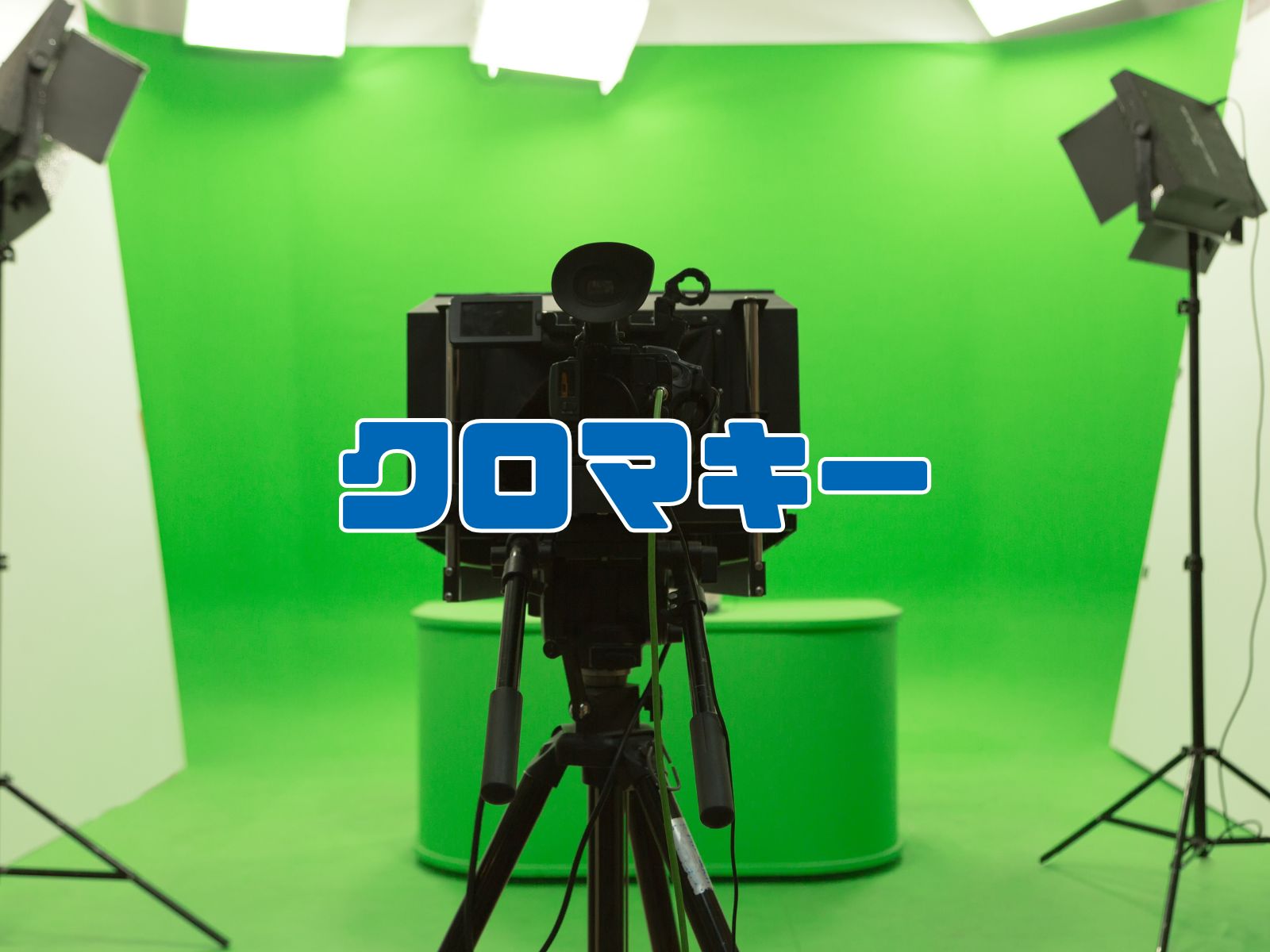
"Chroma Key" (クロマキー) refers to a specialized video compositing technique where a specific color range (chrominance) is isolated and replaced with another visual asset or background.
Typically, it involves filming a subject or object in front of a solid blue or green backdrop, filtering out that specific color, and overlaying the subject onto a separate video feed. The term combines "chroma" (meaning color) and "key" (meaning control signal).
The Technical Physics of Chroma Keying
Chroma key compositing operates through the following technical phases:
- Filming the subject in front of a highly uniform backdrop (typically blue or green).
- Isolating the designated color (key color) from the video signal.
- Converting the isolated background color into a transparent alpha channel.
- Compositing a separate background video or CG environment into the transparent area.
Why Green and Blue are Standard Key Colors
Chroma key backgrounds leverage blue or green due to several technical physics principles:
- Complementary to Human Skin Terroir: Blue and green are the exact optical complements of human skin tones, preventing the subject's face or body from being accidentally keyed out.
- Rare in Nature and Wardrobes: These specific bright hues are relatively uncommon in standard outfits, reducing wardrobe conflicts.
- Image Sensor Sensitivity: Modern digital camera image sensors utilize the Bayer filter array, which features twice as many green-sensitive pixels (G) as red or blue. This makes green channels exceptionally crisp and noise-free, yielding superior keying edges.
"Blue Back" vs. "Green Back"
The colored backdrops are referred to as "Blue Back" (ブルーバック) or "Green Back" (グリーンバック) depending on the medium:
- Blue Back
The traditional method utilized extensively during the analog film era. It remains useful when filming subjects with blonde hair or specific outfits. - Green Back
The modern industry standard optimized for digital sensors. Digital keying software (keyers) can isolate green far more cleanly, requiring less light and generating minimal grain.
Major Applications of Chroma Keying
Chroma keying is extensively utilized across a variety of television and media productions:
- Meteorological Weather Forecasts
Overlaying the weather caster onto dynamic, real-time meteorological maps. - Television News Broadcasts
Simulating international locations or virtual graphics behind anchors. - Virtual Studio Production
Recording complete television shows within virtual 3D CGI sets. - Cinema and Drama VFX
Compositing actors into dangerous, fantastical, or historical settings. - Commercial Advertising
Syncing products and models with vivid, branded backdrops. - Music Videos
Weaving performers into artistic, dreamlike visual environments.
Practical Examples of the Term in Usage
-
"We are shooting tomorrow's weather forecast on chroma key, so please avoid wearing blue."
Warning talent because wearing clothes matching the key color results in their body becoming transparent. -
"We plan to composite a CGI dinosaur into this scene using chroma key."
Explaining VFX plans for an upcoming shot. -
"The chroma key edge isolation is a bit fuzzy, so please adjust the backlighting."
Directing crew to fix lighting to eliminate haloing around the subject. -
"This studio just installed the latest real-time chroma key rendering system."
Discussing the acquisition of advanced compositing software. -
"Isolating fine details like hair is always a massive challenge in green-screen shoots."
Explaining keying challenges for thin details. -
"The chroma key compositing in this video is flawless; it looks exceptionally natural."
Praising a clean, seamless VFX shot.
Essential Rules and Pitfalls to Avoid
- Strict Wardrobe Control
Subjects must never wear clothing or accessories matching the key color. - Uniform, Shadowless Lighting
Backdrops must be lit with absolute uniformity to prevent shadows or gradients, which confuse keying software. - Avoiding Color Spill
Ensuring the subject is positioned far enough from the green screen to prevent green light reflecting onto their skin or hair (spill). - Handling Fine Details
Utilizing specialized keyers to capture complex edges like flowing hair, semi-transparent glass, or smoke.
Closely Related Industry Terms
- Keying: The software process of isolating a color channel to create transparency.
- Keyer: The dedicated hardware or software module executing the keying algorithms.
- Color Spill (スピル): The reflection of the background key color bleeding onto the edges of the subject.
- Matte (マット): The black-and-white silhouette mask used to cut out the subject.
By mastering strict lighting standards, avoiding color spill, and carefully auditing talent wardrobe, production crews can create stunning, highly realistic virtual environments safely and efficiently. I hope this technical guide helps you achieve flawless chroma key composites in your video projects!
About "Chroma Key (クロマキー - Chroma Key: Green Screen Technology, Video Compositing, and Studio Production Standards)"
This page provides the English definition and usage guide for the professional term "Chroma Key (クロマキー - Chroma Key: Green Screen Technology, Video Compositing, and Studio Production Standards)." If you have any suggestions, feedback, or corrections regarding our terminology articles, please feel free to reach out via our contact form.