Ketsukacchin (ケツカッチン - Japanese TV Industry Slang: 'Hard Ending' Schedules and Production Time Constraints)
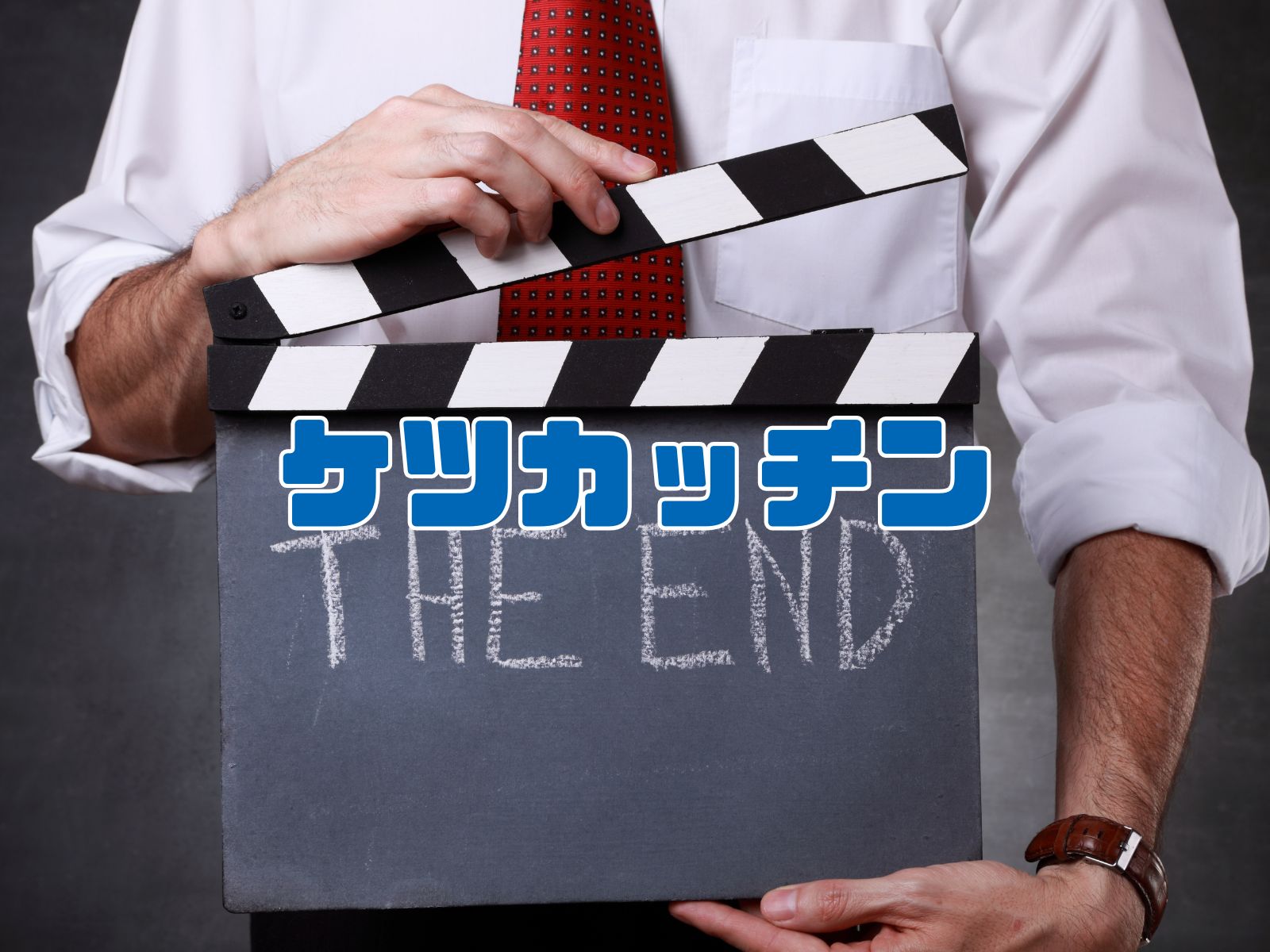
"Ketsukacchin" (ケツカッチン) is a widely utilized Japanese television and entertainment industry slang referring to a high-pressure situation where a production, schedule, or shooting session has a strict, unbendable ending time due to subsequent appointments.
It is predominantly deployed to signal "we must complete this recording or shoot within a highly restricted, absolute timeframe."
Originally, it was a specialized backstage jargon used in theater, comedy halls (Yose), and stage productions to denote absolute curfew times.
Etymological Origins of Ketsukacchin
Two primary historical theories explain the origin of "Ketsukacchin":
- "Ketsu" (Rear/End) + "Kacchin" (Click/Locked):
- "Ketsu" (ケツ) is Japanese slang for the rear, backside, or the "end/finish" of a sequence.
- "Kacchin" (カッチン) is an onomatopoeia denoting a hard, locked click, or the sound of a clock hand locking into place.
- Combining the two, it signifies "the ending time (rear) is clicked and locked in place."
- "Kekkafuza" (Zen Lotus Position) + "Ketsu" (Rear):
- "Kekkafuza" (結跏趺坐) is the formal full-lotus sitting posture used in Zen meditation.
- In traditional comedy halls (Yose), subsequent performers would sit in full-lotus posture (Kekkafuza) backstage, waiting to immediately go on. The stage crew referred to this waiting queue as "the rear (ketsu) is waiting in lotus position," which gradually contracted into "Ketsukacchin" to denote the absolute need to end the current act on time.
Common Contexts of Usage in Showbiz
"Ketsukacchin" is deployed across several key production environments:
- Film & Studio Shoots
When studio rental curfews are absolute, or when the venue must be cleared. - Live Broadcasts
Where the broadcast window is fixed by the second. - Stage and Live Events
When subsequent performances are scheduled immediately after. - Talent Schedules
When a high-profile actor or idol has another shoot immediately following, requiring them to leave the current set at a precise minute.
Practical Dialogue Examples in Production
-
"We cannot let this scene run over schedule. It's ketsukacchin, so let's pick up the pace!"
Directing the crew to accelerate shooting due to tight schedule limits. -
"Today's recording is strictly ketsukacchin, so please keep NG takes to an absolute minimum."
Urging performers to avoid mistakes to save time. -
"Pardon the rush, but Talent A-san has another shoot immediately following, so please make this segment ketsukacchin."
Requesting a hard stop on time due to a performer's schedule. -
"Facing a ketsukacchin schedule on a live broadcast puts immense pressure on the director."
Explaining the high anxiety of strict time limits on live TV. -
"I have another project first thing tomorrow morning, making my night ketsukacchin, so I want to wrap up early tonight."
Explaining personal schedules to justify leaving early. -
"This set is always ketsukacchin; the pace is incredibly intense."
Discussing a production famous for rigid time limits. -
"Because the client's delivery deadline is unbendable, this schedule is absolute ketsukacchin. Please stick to the timeline."
Urging team members to respect strict business deadlines.
Related Industry Terms
- Maki (巻き): Accelerating the production pace to get ahead of schedule. Conversely, delays are referred to as "Oshi" (押し).
- Time-Keeping (タイムキープ): The practice of tracking and managing live broadcast seconds.
- Time Table (タイムテーブル): The sequential rundown of segments.
Important Guidelines when Using the Term
Because "Ketsukacchin" is highly specialized industry jargon, it should be avoided when communicating with the general public, as it will likely cause confusion. Furthermore, because the term contains the word "Ketsu" (rear/ass), it carries an informal undertone and should be avoided in formal corporate environments or polite dialogue.
Boasting fascinating theatrical origins ranging from clock clicks to Zen lotus waiting queues, it serves as a crucial warning to speed up production. While highly convenient within television and film crews, remember to avoid using it with clients or the general public due to its informal, slightly vulgar phrasing. I hope this colorful guide helps you navigate the fast-paced world of Japanese media schedules!
About "Ketsukacchin (ケツカッチン - Japanese TV Industry Slang: 'Hard Ending' Schedules and Production Time Constraints)"
This page provides the English definition and usage guide for the professional term "Ketsukacchin (ケツカッチン - Japanese TV Industry Slang: 'Hard Ending' Schedules and Production Time Constraints)." If you have any suggestions, feedback, or corrections regarding our terminology articles, please feel free to reach out via our contact form.