Akabon (Edo Period Woodblock-Printed Illustrated Books)
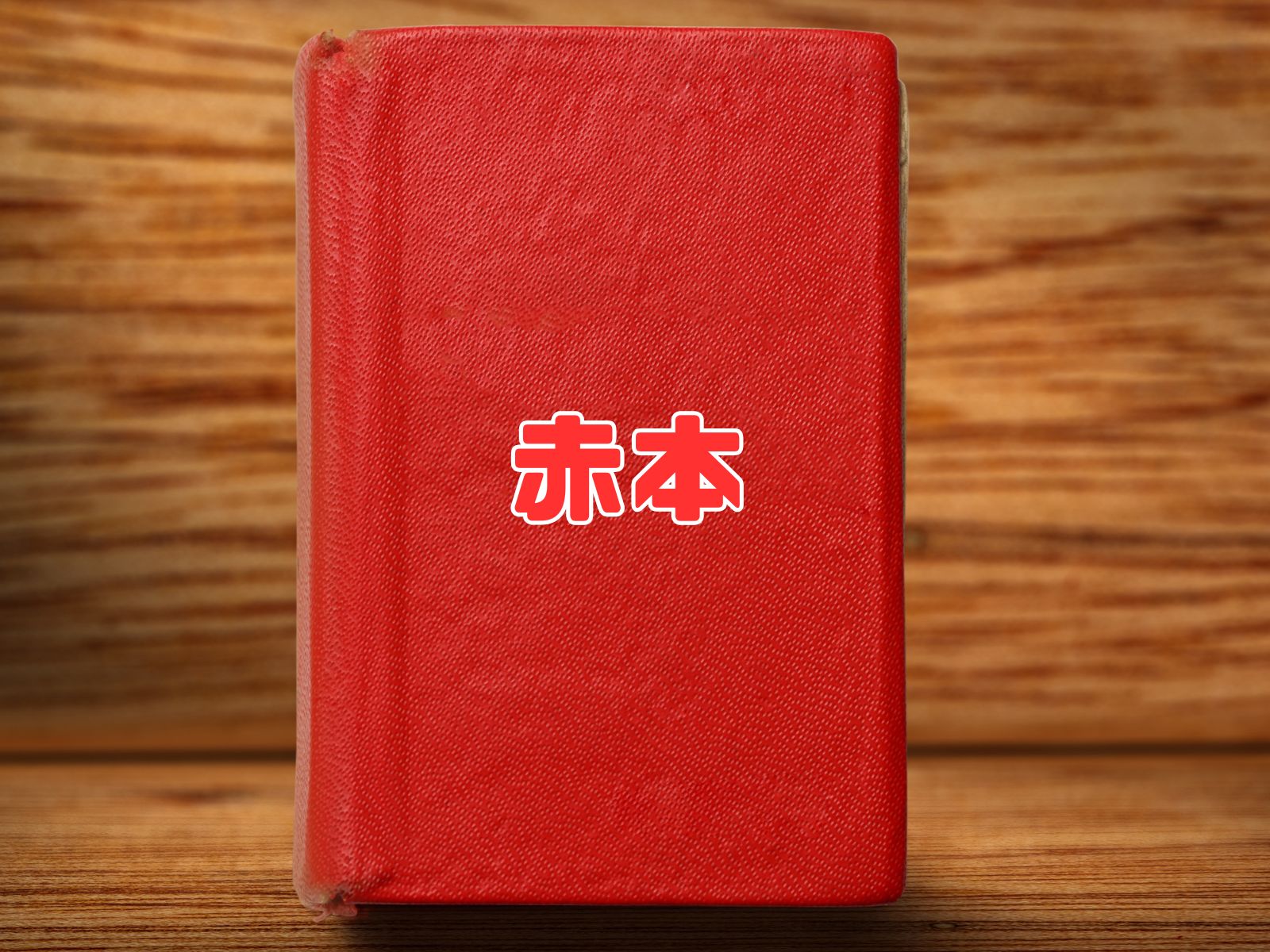
While the Edo period is famous for the flowering of samurai and merchant cultures, children's literature also underwent an extraordinary, independent evolution.
The ultimate symbol of this child-oriented culture is the "Akabon" (赤本—literally "red book").
Although "Akabon" is widely known in modern Japan as the red-covered college entrance exam prep books, it carried a completely different meaning during the Edo period.
What was the Edo-Period "Akabon"?
In the Edo period, an Akabon was a woodblock-printed illustrated storybook designed primarily for children, representing the earliest form of Kusazoshi (草双紙).
They featured covers dyed in a warm reddish-orange (Tani-iro) and were compact in size, measuring about 12cm by 8cm, making them easy for young children to handle.
Priced at around 2 to 3 sen (equivalent to roughly 500 yen today), they were highly affordable. In modern terms, they are best described as children's picture books.
Akabon emerged around the Hoei era (1704–1710) in the early 18th century, a time when commercial publishing was beginning to boom in the capital city of Edo.
Before this era, illustrated scrolls and books had to be copied by hand, making them expensive luxury items restricted to the elite class.
However, the spread of woodblock-printing technology allowed books to be mass-produced, bringing them within reach of ordinary townspeople. Akabon were born out of this technological shift, offering exciting new stories specifically for children.
Key Content, Formatting, and Features of Akabon
Because they were designed for young children, Akabon were brief—typically spanning 5 sheets (10 pages) per booklet—and focused heavily on illustrations.
The text was written almost entirely in phonetic Kana, allowing children to read them easily or listen as their parents read the stories aloud while they enjoyed the pictures.
The subject matter was highly diverse, ranging from classic folk tales and fairy tales (Otogi-zoshi) to adaptations of Kabuki, Joruri theater, annual festivals, and animal fables.
Particularly popular were the "Five Great Folk Tales," including "Momotaro" (The Peach Boy) and "Kachikachi-yama" (The Fireclick Mountain).
While these stories remain beloved by children today, their widespread popularity was originally cemented in the Edo period through the pages of Akabon.
Akabon did not merely entertain; they also played a vital educational role, conveying social morals and ethical values. Many stories focused on themes of poetic justice (Kanzen-choku), helping children learn societal rules and ethics in a fun, engaging format.
Furthermore, Akabon functioned as toys themselves.
Publishers frequently reissued the same popular stories with different, colorful cover illustrations, which children loved collecting and comparing.
Akabon are categorized into several types based on their format, content, and historical period:
- Aka-kobon
The precursor to the standard Akabon, produced in the early Edo period. They were even smaller than standard Akabon and utilized coarser paper. Very few copies of Aka-kobon survive today, making them extremely rare historical artifacts. - Nakamoto
The standard size of Akabon that became mainstream during the mid-Edo period. They were created by cutting Hanshi paper in half, with a basic format of 5 sheets per booklet. They typically featured a beautiful illustrated title slip (E-daisen) on the cover. - Kurobon and Aobon
Subsequent genres of Kusazoshi that evolved from Akabon. Featuring black or blue-green covers, these booklets transitioned toward more complex themes suited for adolescents and adults, though they retained the illustration-centric format of their predecessor. - Blue Cover Editions (Aobon)
Some early Akabon featured blue covers instead of red, illustrating how publishers experimented with different cover colors depending on raw material availability and design trends of the time.
Publishing Context, Goals, and Readership
The rise of Akabon was supported by the booming commercial print industry and the rapid expansion of literacy among commoners. The innovation of woodblock printing combined with the rise of local temple schools (Terakoya) meant that a vast portion of the working class could read.
Akabon were introduced into this expanding market as the very first literature tailored specifically for children.
The primary goal of Akabon was to make reading and moral education enjoyable for children.
By using engaging folk tales and visual storytelling, they made learning moral lessons and reading Kana characters a natural, enjoyable process.
Although children were the target audience, historical records show that adults also thoroughly enjoyed Akabon.
Some booklets featured sophisticated humor and parodies akin to Sharebon, appealing to readers of all ages.
Akabon were also popular seasonal gifts, frequently given to children as New Year's presents (Toshidama).
Celebrated Works and Artists
The authors of Akabon often remained anonymous, as publishers and illustrators were considered far more important in the commercial book market of the time.
However, historical research reveals that prominent Ukiyo-e artists of the era—such as Kondo Kiyoharu, Nishimura Shigenaga, and Hanegawa Chincho—were actively commissioned to illustrate these children's booklets.
Representative genres and works of Akabon include:
- Traditional Folk Tales: "Momotaro" (The Peach Boy), "Kachikachi-yama" (The Fireclick Mountain), "Shitakiri-suzume" (The Tongue-Cut Sparrow), "Saru-kani Gassen" (The Battle of the Monkey and the Crab), "Hanasaka-jisan" (The Old Man Who Made Withered Trees Blossom), etc.
- Otogi-zoshi Adaptations: "Hachikazuki-hime" (The Princess with the Bowl on Her Head), "Shiouri Bunta Monogatari" (The Story of Bunta the Salt Seller), etc.
- War Chronicles: "Genpei Seisuiki" (The Rise and Fall of the Minamoto and Taira), etc.
- Whimsical Tales: "Oni no Shiki Asobi" (The Demons' Seasonal Amusements), etc.
For instance, in "Oni no Shiki Asobi," playful demons are depicted in the clouds, whimsically controlling seasonal weather.
They are shown generating wind with paper fans, blowing through bamboo pipes to create rain, or beating drums to trigger summer thunderstorms. These creative and highly visual concepts captured the imaginations of Edo's children.
Legacy and Influence on Modern Society
Akabon played a pivotal role in shaping children's education and entertainment during the Edo period.
They nurtured literacy and creative thinking in children. The folk tales popularized by Akabon became deeply embedded in the national consciousness, continuing to be enjoyed today in modern children's books and animations.
Furthermore, Akabon laid the structural foundations for the evolution of Kusazoshi into complex, adult-oriented genres like Kurobon, Aobon, Kibyoshi, and Gokan.
The print formats and visual vocabulary developed for Akabon directly shaped the subsequent history of Japanese commercial publishing.
During the Meiji period, the Akabon format evolved into tiny, highly affordable booklets known as "Mame-bon" (bean books), which reached an even larger audience of children, serving as a key evolutionary step toward modern children's picture books.
Contemporary Evaluation and Preservation
Today, Edo-period Akabon are highly valued as irreplaceable cultural heritage.
They are preserved and exhibited in prestigious institutions like the National Diet Library and various museums, where scholars actively study their historical and artistic significance.
For example, the Kyoto International Manga Museum displays a curated collection of Akabon compiled by the renowned scholar and novelist Hiroshi Aramata.
Additionally, the Chihiro Art Museum Tokyo featured Akabon in its exhibition "Japanese Picture Books: From Edo to the Present," highlighting their pioneering role in the history of illustration.
In recent years, high-quality reprints and digital archives have made these historical books highly accessible to the public, allowing modern readers to explore the vibrant world of Edo-period children's culture first-hand.
Conclusion
Edo-period Akabon were widely popular as the very first literature custom-designed for children. Far from being mere entertainment, they taught morals and reading, exerting a massive influence on the cultural development of youth. The folk tales they popularized remain core pillars of Japanese cultural heritage today, surviving across centuries in modern storybooks and media.
Akabon serve as vital historical records for understanding the commercial publishing industry, social values, and childhood dynamics of the Edo period, and their status as a major cultural treasure continues to grow in the modern era.
References
| Source Title | Publisher | Author/Editor |
|---|---|---|
| Study and Materials on Edo Period Folk Tale Picture Books | Miyai Shoten | Yuriko Ukegasaki |
| Edo Picture Books: Early Kusazoshi Collection | Kokusho Kankokai | Edited by Masatane Koike & Murasaki no Kai |
| Edo Picture Book Reading Manual: How to Read Kusazoshi for Children and Adults | Bungaku Tsushin | Edited by Murasaki no Kai, etc. |
| Collection of Early Modern Children's Picture Books | Iwanami Shoten | Yaeko Kimura, Mitsutoshi Nakano, Suzuki Juzo |
About "Akabon (Edo Period Woodblock-Printed Illustrated Books)"
This page provides the English definition and usage guide for the professional term "Akabon (Edo Period Woodblock-Printed Illustrated Books)." If you have any suggestions, feedback, or corrections regarding our terminology articles, please feel free to reach out via our contact form.