Bussing (バッシング - Bussing: Restaurant table clearing duties, professional hall workflows, and differences from Table Resetting)
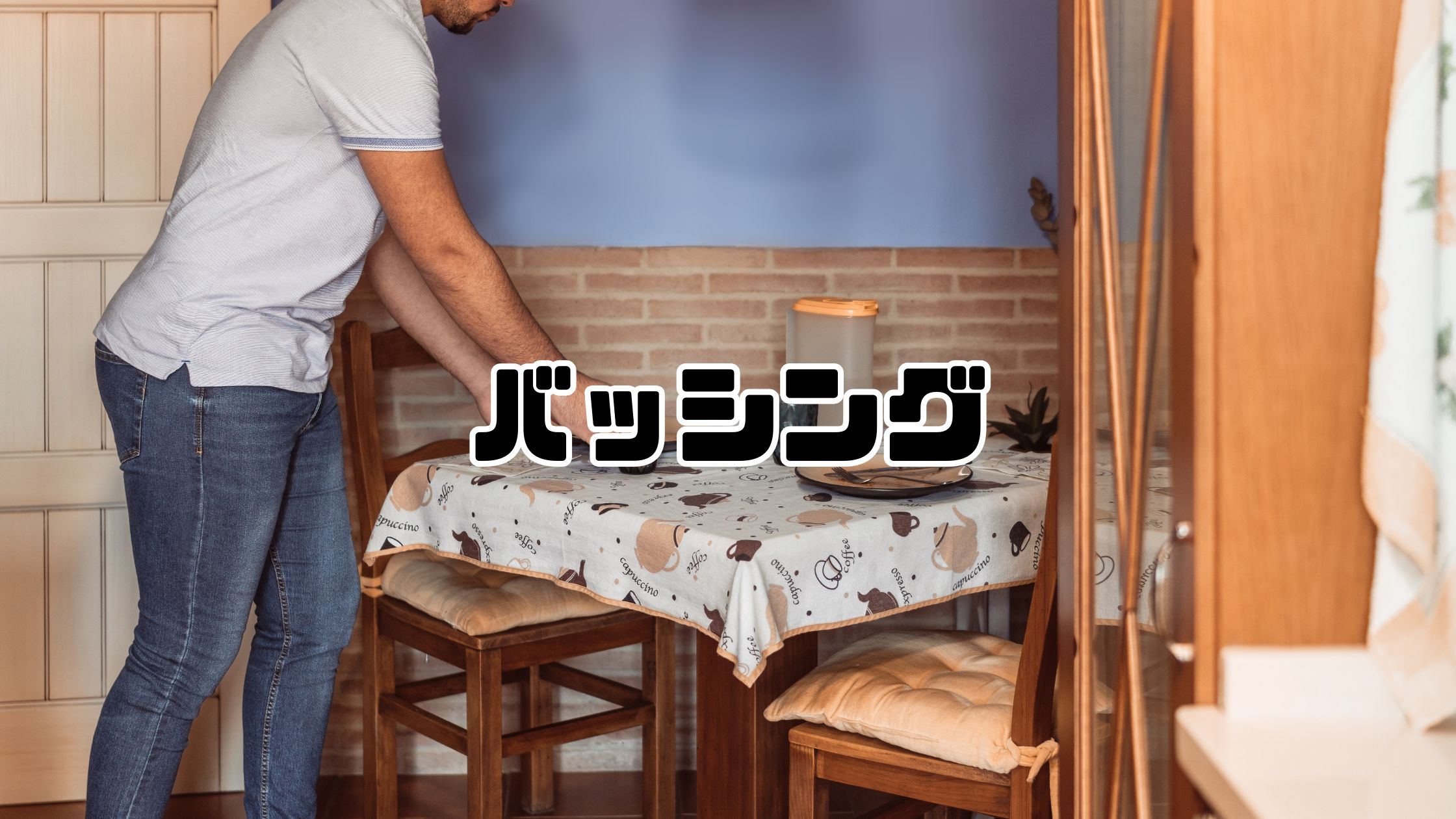
The Japanese restaurant industry term "Bashing" (バッシング) is derived from the English verb "bussing" (primarily North American), meaning to clear dirty dishes, wipe tables, and prepare dining areas for the next party.
It is the active present participle form of the verb "bus" (meaning to work as a busboy or clear tables). In Japan, this is transliterated into katakana as "バッシング."
A Step-by-Step Guide to Table Bussing
Bussing encompasses several key floor tasks to restore a table to pristine condition:
- Clearing Tableware:
Carefully stacking and removing used plates, glasses, bowls, and silverware from the table. - Wiping Surfaces:
Thoroughly cleaning the table surface with a sanitized cloth to remove any food crumbs or liquid spills. - Restocking Condiments:
Refilling salt, pepper, soy sauce, or toothpick holders, ensuring they are aligned neatly. - Tidying Chairs:
Wiping down chairs and pushing them neatly under the table. - Floor Sweeping:
Quickly sweeping away any dropped food or napkins on the floor beneath the table. - Next-Customer Setups:
Depending on the restaurant's operational style, pre-placing fresh napkins, water glasses, or cutlery for the next guests.
The Commercial Objectives of Bussing
- Maximizing Table Turnover (Rotation Rate)
Swift, efficient bussing minimizes customer wait times, allowing staff to seat walk-ins instantly and boosting restaurant sales. - Maintaining Cleanliness and Hygiene
Keeps the dining room spotless, ensuring incoming guests enjoy a clean, comfortable, and welcoming environment. - Elevating Brand Reputation
Smooth, quiet, and rapid bussing demonstrates a high service standard, making a great impression on customers.
Who is Responsible for Bussing?
In large-scale hotels, buffets, or high-volume casual restaurants, specialized staff known as "Bussers" are hired strictly to clear tables. However, in most standard Japanese restaurants, the front-of-house (waitstaff) handle bussing alongside their regular customer service duties.
Everyday Restaurant Floor Dialogues
- "Please bus Table 3 immediately!"
A floor manager directing a server to clear a table for a waiting group. - "Once you finish bussing, guide the next party in."
Instructing staff to seat waiting clients after cleaning is complete. - "Excuse me, could you please clear these dishes?"
A customer requesting the staff to remove finished plates (an indicator that intermediate bussing was slightly delayed). - "Someone help me bus this section, we are backed up!"
Asking for backup from other staff members during peak rush hours. - "New hires should master the basic bussing workflow first."
An training instruction given to a new part-time team member. - "Let's optimize our traffic routes to increase our bussing speed."
Improving staff movement pathways to clear tables more efficiently.
Differences Between "Bussing" and "Table Resetting"
While closely related, professional operators distinguish "Bussing" from "Table Resetting" through these subtle differences:
- Bussing (バッシング)
Focuses strictly on the clearing phase—removing dirty tableware, wiping the table surface, and tidying up the immediate seating area. - Table Resetting (テーブルリセット)
The complete restoration phase—placing fresh napkins, silver, water glasses, and menu booklets so the table is 100% ready for immediate seating. - Pre-Bussing (中間バッシング)
The practice of clearing empty plates, side dishes, or empty glasses *while* the customers are still dining to keep their table clutter-free. Also referred to as "Pre-bussing" (プレバッシング).
Note: Actual operational vocabularies differ from shop to shop. Some restaurants utilize the term "Bussing" as an all-in-one word that includes both clearing and resetting.
As it directly impacts table turnover speeds, room hygiene, and brand image, execution must be swift, quiet, and highly professional.
Mastering this term is a key milestone for anyone entering the Japanese hospitality sector. I hope this detailed guide helps you optimize your floor workflows!
About "Bussing (バッシング - Bussing: Restaurant table clearing duties, professional hall workflows, and differences from Table Resetting)"
This page provides the English definition and usage guide for the professional term "Bussing (バッシング - Bussing: Restaurant table clearing duties, professional hall workflows, and differences from Table Resetting)." If you have any suggestions, feedback, or corrections regarding our terminology articles, please feel free to reach out via our contact form.