Yield Rate (歩留まり - Budomari: Yield rate in food services, cost control calculation, and culinary waste reduction)
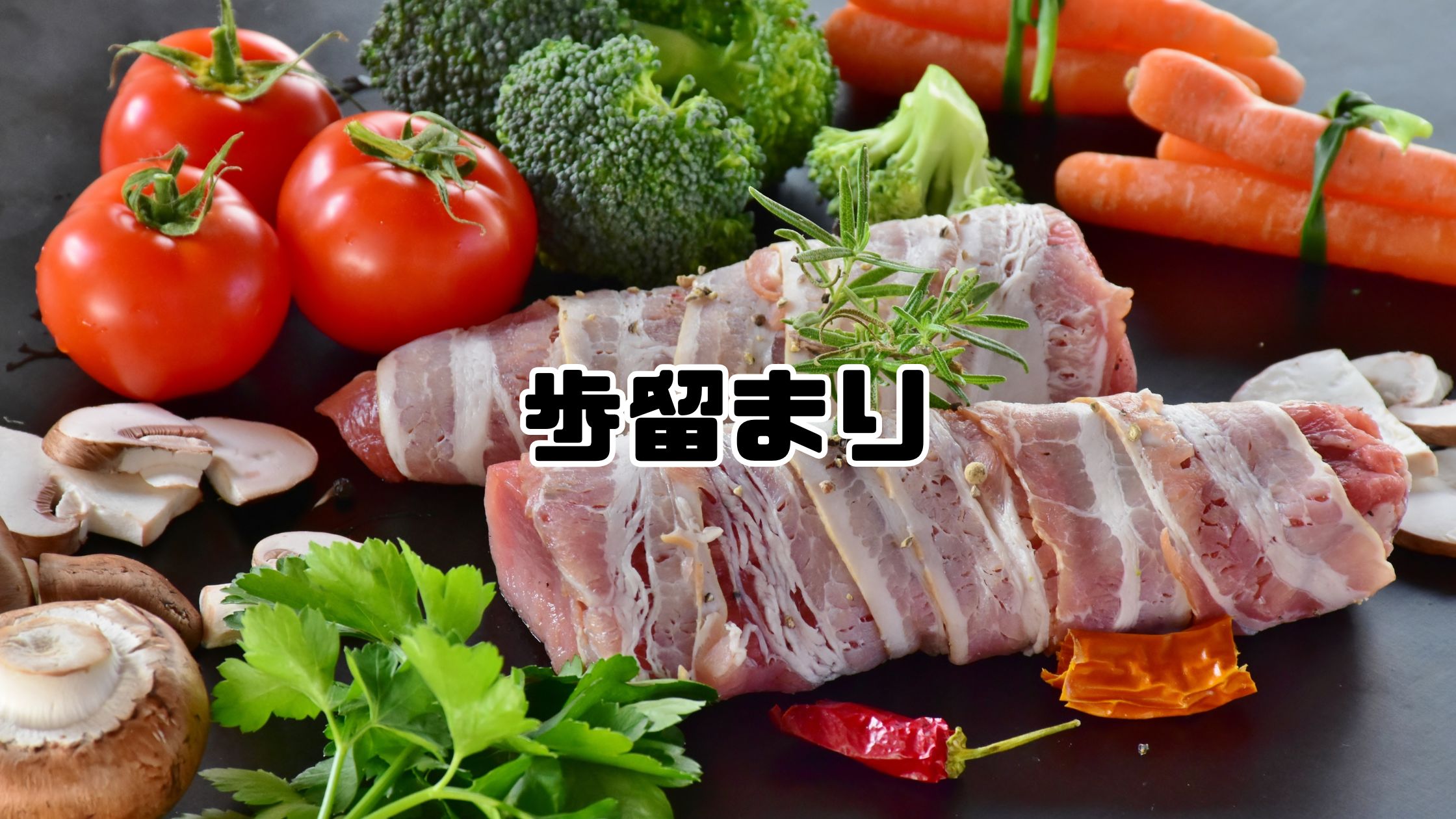
"Budomari" (歩留まり - Yield Rate) is a Japanese food service and manufacturing industry term representing the ratio of actual usable ingredient weight obtained from raw materials after preparation.
In culinary management, it is a crucial metric utilized to calculate net food cost by factoring in trim loss, waste, and shrinkage during raw food preparation and cooking.
Mathematical Formula for "Budomari"
The yield rate is calculated using the following basic formula:
Yield Rate (Budomari %) = (Weight of Usable / Prepared Food ÷ Gross Weight of Raw Material) × 100
For example, if cooking 1.0 kg of raw beef yields 700 g of edible steak after trimming fat and cooking shrinkage:
Budomari = (700 g ÷ 1,000 g) × 100 = 70%
This indicates a trim/cooking loss of 30%.
Why "Budomari" is Critical in F&B Operations
In restaurant management, maintaining an accurate grasp of yield rates is vital for the following reasons:
- Accurate Menu Costing:
Knowing the exact net yield rate allows managers to calculate the true cost of a dish, preventing underpricing. - Robust Cost Control:
Improving your yield rates directly reduces food waste, driving down overall cost of goods sold (COGS). - Boosting Profit Margins:
Maximizing the edible portions of high-cost ingredients like fish and meat directly expands net profit margins. - Optimized Inventory Management:
Enables accurate procurement, helping to buy exactly the raw volume needed for targeted portions. - Standardized Quality Control:
Enforces consistent portion sizes, ensuring guests receive uniform quality and value.
Factors Influencing "Budomari"
- Type of Ingredient:
Waste portions differ extensively depending on the food type (e.g., bone-in meats, leafy greens, or whole fish). - Preparation Techniques (Trimming):
Peeling, deboning, and trimming practices shape the final yield rate. Professional knife skills minimize trim loss. - Cooking Methods:
Baking, boiling, or frying trigger varying degrees of moisture loss and fat shrinkage, altering the final cooked weight. - Culinary Skill Level:
The technical capabilities of kitchen prep staff directly determine the amount of salvageable material.
Conversational Examples of the Term
- "What is the average budomari (yield rate) of this sea bream?"
Checking how much edible fillet is obtained from a whole raw fish. - "Calculate the yield of this vegetable batch to determine its true costing."
Instructing staff to compute net food cost by factoring in trim waste. - "The apprentice still shows poor budomari, we need to train their knife skills."
Pointing out that the new recruit is generating too much trim waste and needs technical guidance. - "Let's optimize our cooking methods to improve our general budomari."
Suggesting a review of prep or heat levels to reduce shrinkage and save costs. - "Because this meat has excess fat, its budomari will likely hover around 60%."
Explaining that raw ingredient quality directly limits the final yield.
Methods to Optimize "Budomari"
- Standardized Knife Skills: Training prep staff to execute precise deboning and peeling to minimize salvage loss.
- Optimized Heat Controls: Implementing low-temperature cooking or sous-vide techniques to reduce shrinkage.
- Byproduct (Trim) Salvage: Utilizing vegetable trimmings or bone scraps to boil stocks, sauces, or soups, extracting 100% utility from the purchase.
- Strict Freshness Controls: Proper FIFO rotation and temperature storage to prevent spoilage loss.
- Detailed Recipe Manuals: Outlining exact prep guidelines so all kitchen workers achieve uniform yields.
It forms the mathematical foundation for accurate menu costing and robust kitchen cost control.
Maximizing this rate through precise knife skills and byproduct utilization is the key to operating a highly profitable restaurant.
I hope this operational guide helps you optimize your kitchen yields!
About "Yield Rate (歩留まり - Budomari: Yield rate in food services, cost control calculation, and culinary waste reduction)"
This page provides the English definition and usage guide for the professional term "Yield Rate (歩留まり - Budomari: Yield rate in food services, cost control calculation, and culinary waste reduction)." If you have any suggestions, feedback, or corrections regarding our terminology articles, please feel free to reach out via our contact form.