Yama (ヤマ - Yama: Culinary jargon for sold-out items in Japanese restaurants, etymological origins, and kitchen communication)
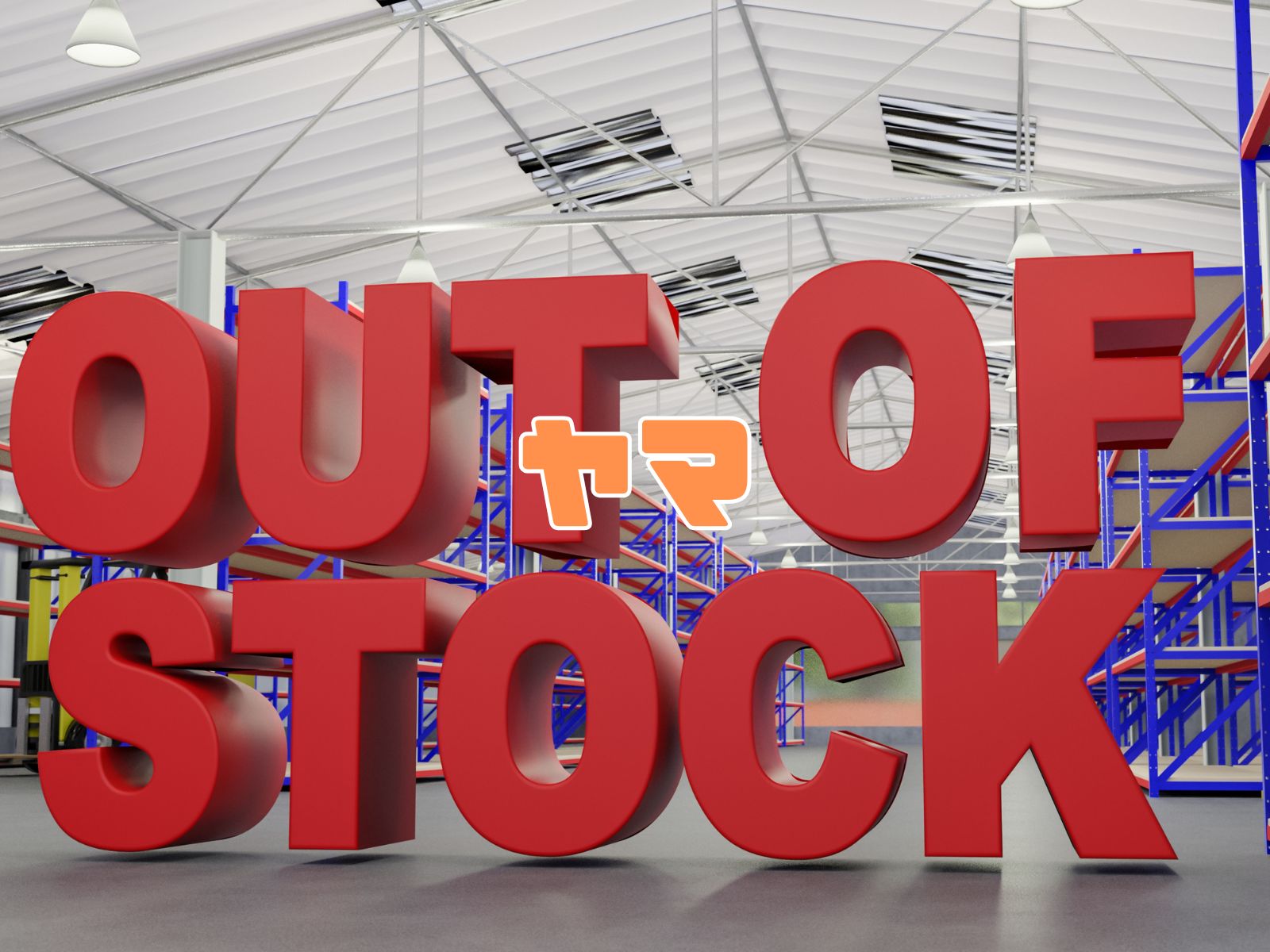
In the professional Japanese food service and restaurant industry, "Yama" (ヤマ) is a traditional kitchen jargon term representing a sold-out ingredient, dish, or menu item.
It designates a state where the specific stock prepared for the day's service has been completely exhausted.
Etymological Origins: Why is it called "Mountain"?
The linguistic roots of "Yama" (literally meaning "mountain" in Japanese) trace back to several historical theories:
-
The Mountain Peak Theory:
Once you scale to the absolute summit of a mountain, there is no further path upward. Consequently, reaching the peak represents "the absolute end," which transitioned in commercial slang to denote "the end of stock / sold out." -
The Miner / Yamashi Origin Theory:
Historically, prospectors and miners who worked in mountains (known as Yamashi or Yamaya) would wrap up their work and descend the mountain once they successfully hit a rich mineral vein. From this practice, the term "Yama" came to represent "the end of work" or "the conclusion of a business venture," eventually evolving into kitchen slang for "sold out." -
The Gambling Slang Theory:
In traditional Japanese gambling circles, concluding the day's matches and packing up was referred to as "making it a yama" (ヤマにする), which eventually spread to other commercial trades to mean "finished." -
The Edo Courtesan Slang Theory:
In the pleasure quarters of the Edo period, a courtesan showing absolute indifference or coldness to a guest was colloquially dubbed "Yama" (representing a cold, unmoving mountain). Over time, this nuance of "having absolutely nothing to offer" shifted to represent a lack of inventory.
When is the Jargon Deployed?
"Yama" is standardly used by floor and kitchen crews in several common scenarios:
- Instant Stockout Alerts:
To instantly notify the line cooks and servers that a dish's daily prep count has hit zero. - Pre-Service Sourcing Updates:
Briefing floor servers during pre-shift meetings regarding which fresh ingredients are out-of-stock for the day. - Swift Staff Coordination:
Allowing front-of-house and back-of-house staff to share inventory updates rapidly without customers noticing.
Real-World Kitchen Dialogue Examples
-
"Our signature dish is highly popular and quickly hits yama, so make sure to prep an extra batch."
Instructing prep cooks to prepare larger backup volumes because the star menu item sells out exceptionally fast. -
"Once the sea bream goes yama, actively recommend the flounder to guests."
Directing servers to pivot and upsell an alternative fish once the primary seafood stock is exhausted. -
"Guest traffic is exceptionally slow today, so we likely won't see any yama."
Predicting that no menu items will sell out due to low customer volume. -
"The weekend is going to be packed, so double-check prep levels so we don't go yama during dinner rush."
Warning kitchen crews to stock up on ingredients to prevent early stockouts during peak Saturday service. -
"Going yama within ten minutes of opening is the ultimate sign of a successful restaurant!"
Praising a highly popular local spot where signature dishes sell out almost immediately after opening their doors.
Related Food Service Terminology
- Rasu-Ichi (ラスイチ): Shorthand for "last one." Indicates that only a single portion of a dish remains.
- Sold Out (売り切れ - Urikire): The standard, polite consumer expression. "Yama" is strictly the internal staff jargon.
- Kanbai (完売): The state where all prepared inventories have been completely purchased.
- Keppin (欠品): A temporary supply chain shortage or out-of-stock status from wholesale purveyors.
- Shūbai (終売): The permanent discontinuation of a product line or menu item.
Workplace Etiquette and Cautions
Because "Yama" is strictly a back-of-house kitchen jargon, servers must never say it directly to customers. Telling a guest, "The salmon is yama," sounds highly unprofessional and confusing. Always use formal consumer language like "We are highly sorry, but the salmon has been sold out today." Additionally, certain casual cafes or modern bars standardly stick to plain language to prevent any staff training confusion.
Using this quick term allows kitchen and floor crews to instantly sync their inventory data during chaotic dinner rushes without alerting guests.
Just remember to keep this terminology strictly between staff members, and always offer a warm, polite explanation to your guests when their favorite dish is gone!
I hope this operational guide helps you coordinate your restaurant team with absolute ease!
About "Yama (ヤマ - Yama: Culinary jargon for sold-out items in Japanese restaurants, etymological origins, and kitchen communication)"
This page provides the English definition and usage guide for the professional term "Yama (ヤマ - Yama: Culinary jargon for sold-out items in Japanese restaurants, etymological origins, and kitchen communication)." If you have any suggestions, feedback, or corrections regarding our terminology articles, please feel free to reach out via our contact form.