Murasaki (むらさき - Murasaki: Culinary jargon for soy sauce in Japanese kitchens, historical etymology, and etiquette)
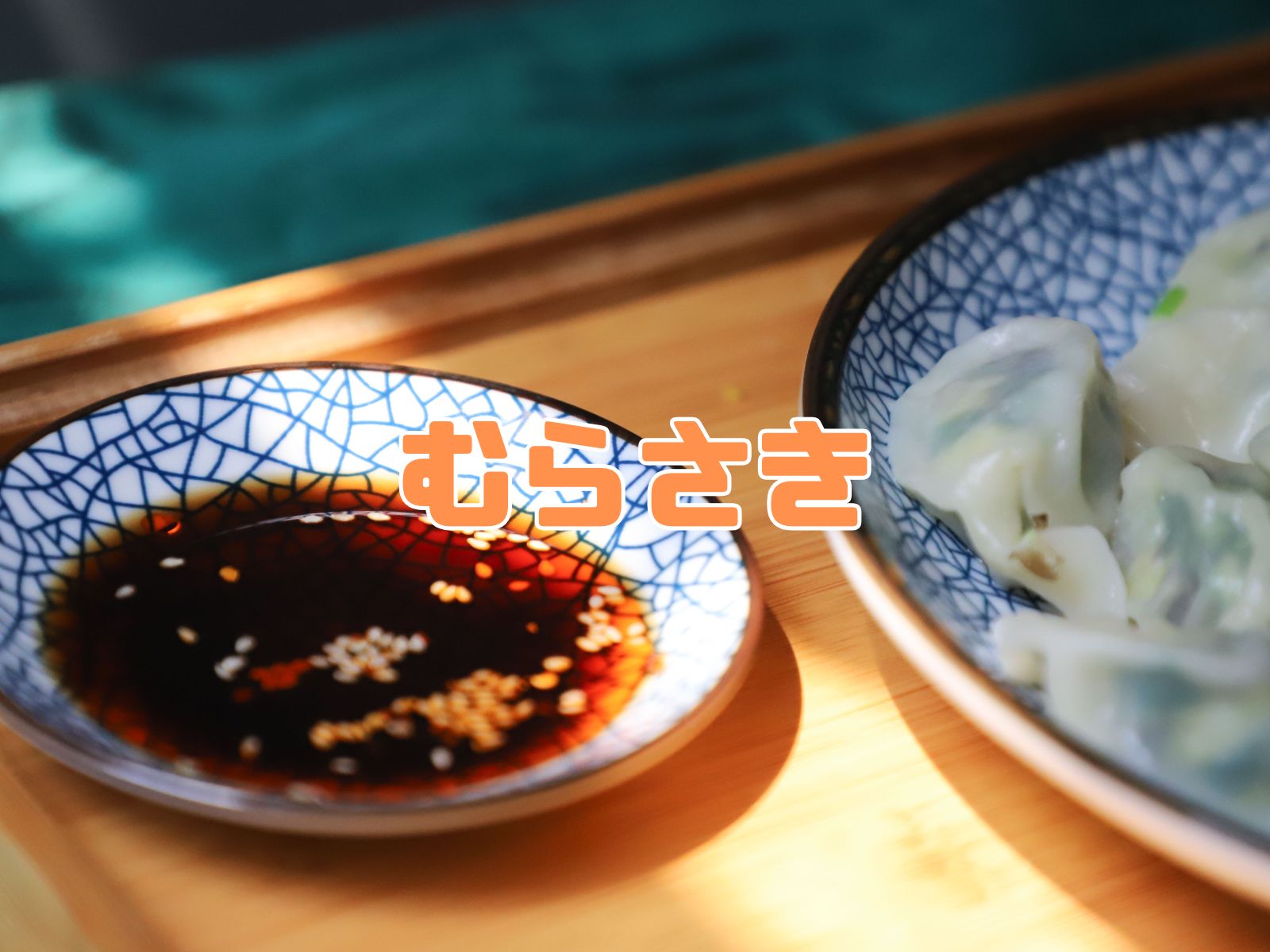
In the professional Japanese food service and culinary industries, "Murasaki" (むらさき / Purple) is a traditional kitchen jargon term representing soy sauce (醤油 - Shōyu).
It is most standardly utilized behind the scenes in sushi restaurants (sushiya) and high-end traditional Japanese restaurants (ryōtei or washoku-ten).
Etymological Origins: Why is it called "Purple"?
There are several prominent historical theories explaining why soy sauce was branded with the name of the color purple during the Edo period:
- The Optical Color Theory:
During the Edo period, raw brewed soy sauce had a significantly darker, richer hue than modern variants. Under specific dining candlelight or natural lighting angles, the deep reddish-brown liquid cast a distinct purplish reflection. - The Noble Color Symbolism Theory:
Historically in Japan, purple was strictly classified as the most noble, high-status color, restricted to royalty and elite ranks. Because high-quality brewed soy sauce was an exceptionally rare, precious, and costly seasoning at the time, kitchen crews respectfully compared it to the noble color "purple." - The Edo-Period Brand Origin Theory:
A popular historical theory suggests there was a highly famous, premium brand of soy sauce manufactured during the Edo era officially named "Murasaki," which eventually became a generic term in restaurant kitchens. - The Gromwell Root Dye Similarity Theory:
In ancient Japan, purple fabrics were dyed using the roots of the gromwell plant (紫草 - Murasaki). The deep, warm organic tone obtained from this root dye closely mirrored the natural hue of fine soy sauce, prompting the association.
Real-World Kitchen Dialogue Examples
-
"The flavor of this simmered dish lacks a bit of murasaki."
Indicating to a prep cook that the soy sauce seasoning is too light and needs adjustment. -
"Could you pass me some more murasaki?"
Asking a colleague or apprentice to replenish the soy sauce supply on the prep station. -
"Naturally, murasaki pairs perfectly with hakari (rockfish)."
Sharing a classic pairing suggestion using two traditional industry jargons (where hakari is jargon for rockfish/mebaru, derived from the scales used to weigh them). -
"Please make sure to taste-test the murasaki we are serving with today's sashimi platter."
Instructing staff to check the quality and salinity of the soy sauce selected for the day's raw fish course. -
"Edo-style sushi chefs standardly apply nikiri rather than raw murasaki directly onto the fish."
Explaining the traditional technique where chefs brush a customized, boiled-down soy sauce glaze (nikiri) onto raw fish before serving the guest.
Where is the Jargon Deployed?
"Murasaki" is standardly used across the following professional circles:
- Sushi Counters and Traditional Japanese Kitchens:
Particularly prominent in workspaces where soy sauce is the central, daily seasoning medium. - Fish Market Merchants:
Used by brokers and purveyors at major wholesale fish markets (like Toyosu) when discussing catch pairings. - Back-of-House Chef Blocking:
Functions as a handy verbal shorthand between sushi chefs (itamae) to coordinate line service swiftly.
Crucial Etiquette Rules
Because "Murasaki" is strictly a back-of-house industry jargon, it is considered highly unprofessional to use it when speaking directly to dining guests. Using obscure kitchen slang in front of customers can cause unnecessary confusion or sound pretentiously exclusive. Additionally, modern fusion restaurants or western-influenced spots standardly stick to the general word "Shōyu" to maintain clear workflows.
Related Culinary Terminology
- Nikiri (煮切り): A premium, custom glaze made by boiling soy sauce with sake and mirin to evaporate the raw alcohol, creating a smooth, umami-rich finish.
- Shōyu-sashi (醤油差し): A traditional tabletop dispenser or cruise container holding soy sauce.
- Tamari Shōyu (たまり醤油): A thick, incredibly rich, and viscous soy sauce primarily brewed in the Chūbu region, featuring high soybean content and low wheat.
- Usukuchi Shōyu (薄口醤油): A lighter-colored, highly saline soy sauce standardly favored in Kansai cuisine to preserve the natural colors of ingredients.
Originating in the bustling dining spots of Edo-period Japan, this term is still used by elite sushi chefs and washoku craftsmen to coordinate prep lines smoothly.
Just remember to keep this terminology strictly back-of-house to maintain exemplary guest hospitality!
I hope this culinary guide helps you appreciate the rich traditions of Japanese gastronomy!
About "Murasaki (むらさき - Murasaki: Culinary jargon for soy sauce in Japanese kitchens, historical etymology, and etiquette)"
This page provides the English definition and usage guide for the professional term "Murasaki (むらさき - Murasaki: Culinary jargon for soy sauce in Japanese kitchens, historical etymology, and etiquette)." If you have any suggestions, feedback, or corrections regarding our terminology articles, please feel free to reach out via our contact form.