Sukeroku Sushi (助六寿司 - Assorted Inari and Rolled Sushi: The Kabuki Theatrical Origins, Agemaki Courtesan Namesake, and Edo Street Food Heritage)
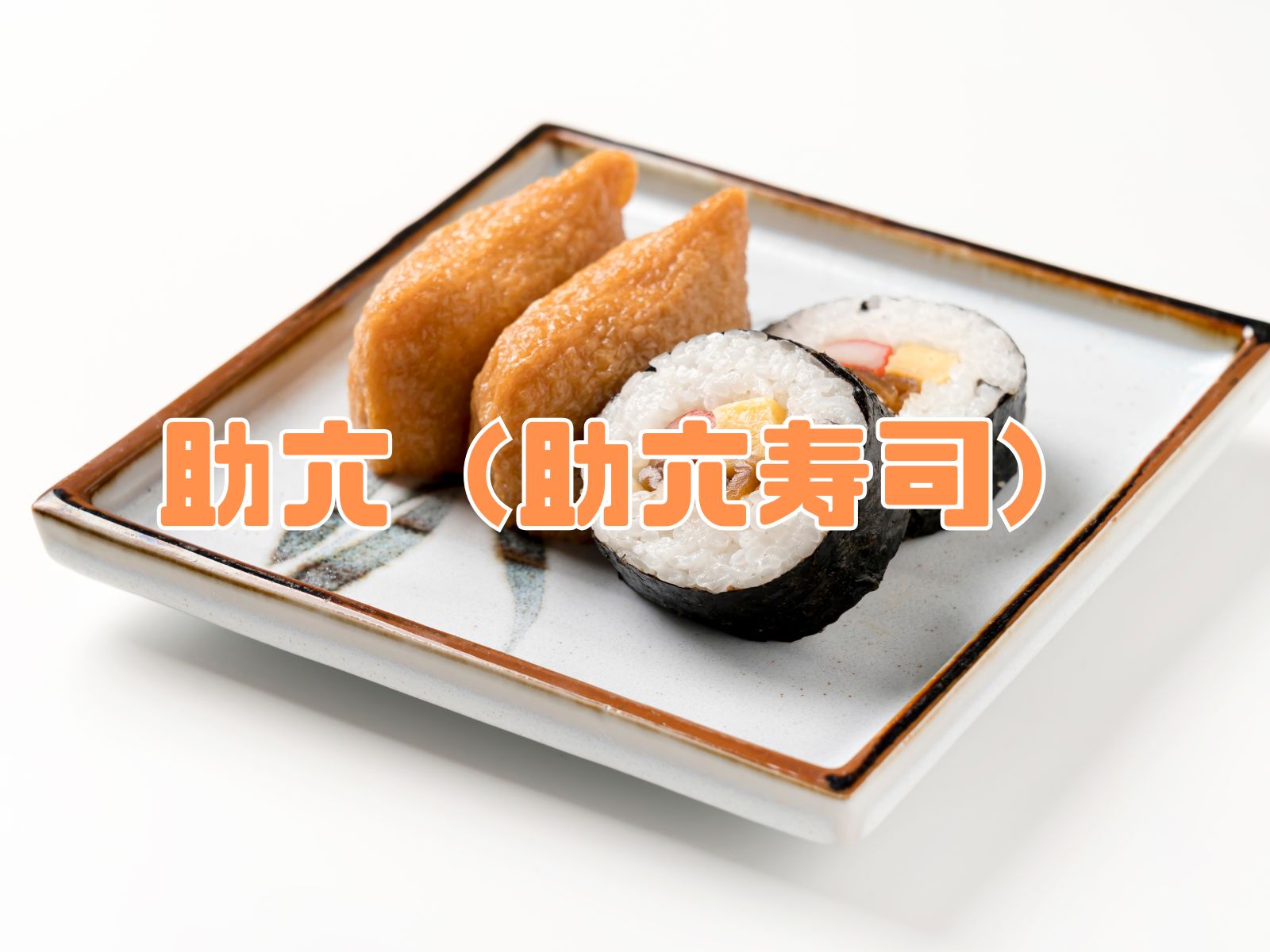
In traditional Japanese cuisine, "Sukeroku" (助六 - commonly referred to as Sukeroku Sushi) refers to a classic, highly popular assorted sushi plate combining Inari Sushi (sweet fried tofu pouches stuffed with vinegared rice) and Makizushi (sushi rolls, predominantly thin Kanpyo rolls or thick Futomaki rolls).
It is most frequently packaged in portable bento boxes (Orizume) and is a ubiquitous staple in Japanese supermarkets, convenience stores, and theater concession stands.
The Romantic Kabuki Etymology of "Sukeroku"
The term "Sukeroku" has a highly elegant etymological origin, directly tracing back to the legendary Kabuki play "Sukeroku Yukari no Edo Zakura" (助六由縁江戸桜 - Sukeroku: The Flower of Edo).
- The Protagonist's Namesake:
The assorted plate takes its official name directly from the play's handsome, chivalrous protagonist, Hanakawado Sukeroku (花川戸助六). - The Namesake of His Courtesan Lover (The Most Prominent Theory):
In the play, Sukeroku's glamorous lover is a high-ranking Yoshiwara courtesan (Oiran) named "Agemaki" (揚巻).
A clever, wordplay-loving Edo public noticed that the two characters in Agemaki's name could represent food: "Age" (揚) means "deep-fried" (representing the deep-fried tofu pouch, Abura-age, used in Inari Sushi), while "Maki" (巻) means "roll" (representing Makizushi). Since "Age" and "Maki" were bound in romance, selling "Age" (Inari) and "Maki" (rolls) together in a single box was wittily branded as "Sukeroku Sushi"—the partner of Agemaki. - *(Note: The popular rumor claiming that the historical character Sukeroku simply loved eating Inari and rolled sushi is a classic urban myth).*
Core Elements of a Sukeroku Assortment
While exact combinations vary by region and chef, a standard Sukeroku plate typically features a balance of the following sushi types:
- Inari Sushi (稲荷寿司):
Plump pouches of deep-fried tofu (Abura-age) simmered in a sweet and savory soy-dashi broth, stuffed with perfectly seasoned sushi rice. - Kanpyo-maki (干瓢巻き - Dried Gourd Roll):
Thin sushi rolls (Hosomaki) featuring sweet-simmered kanpyo (dried gourd strips) as the central filling, wrapped in crisp nori seaweed. - Futomaki (太巻き - Thick Roll):
Thick sushi rolls stuffed with a colorful array of ingredients—such as sweet tamago egg omelet, simmered shiitake mushrooms, cucumber, and pink denbu fish flakes.
Depending on the shop, chefs may occasionally include other thin rolls like cucumber rolls (Kappa-maki) or pickled daikon rolls (Shinka-maki).
Why Were Inari and Rolled Sushi Paired Together?
Beyond the romantic Kabuki etymology, several practical and sensory factors cemented this pairing:
- Brilliant Visual Contrast:
The warm golden-brown of the Inari pouches contrasted against the crisp black nori and white rice of the rolls creates an incredibly appetizing, rustic, and visually satisfying aesthetic. - Flawless Flavor Balance:
The deep, sweet juiciness of the Inari sushi provides a perfect counterpoint to the clean, crisp, and refreshing taste of seaweed rolls, preventing palate fatigue. - Edo Period Street Food Culture:
During the Edo period, both Inari sushi and seaweed rolls were popular, inexpensive street foods sold at fast-food stalls. Combining them in a single portable bento box was a natural, highly convenient evolution.
Why Sukeroku Sushi Remains a Beloved Favorite
- Outstanding Portability:
Easy to transport and eat with hands or chopsticks, making it the perfect choice for picnics, school sports days (Undokai), and cherry blossom viewing (Hanami). - Highly Affordable:
Because it features no raw fish (Sashimi), it is significantly cheaper than standard Nigiri sushi. - Long Shelf Life:
Since the ingredients are fully cooked, seasoned, or simmered, it remains delicious and safe to eat at room temperature for hours.
Practical Conversational Examples
- "Should we grab a Sukeroku box for our lunch picnic?"
- "Today's Sukeroku assortment features a delicious thick Futomaki roll!"
- "Do you know the romantic Kabuki origin behind the name Sukeroku?"
- "I packed some Sukeroku Sushi boxes for my child's sports day bento!"
About "Sukeroku Sushi (助六寿司 - Assorted Inari and Rolled Sushi: The Kabuki Theatrical Origins, Agemaki Courtesan Namesake, and Edo Street Food Heritage)"
This page provides the English definition and usage guide for the professional term "Sukeroku Sushi (助六寿司 - Assorted Inari and Rolled Sushi: The Kabuki Theatrical Origins, Agemaki Courtesan Namesake, and Edo Street Food Heritage)." If you have any suggestions, feedback, or corrections regarding our terminology articles, please feel free to reach out via our contact form.