Ristorante (リストランテ - Ristorante: Authentic Italian fine dining definition, etiquette, and differences from Trattoria and Osteria)
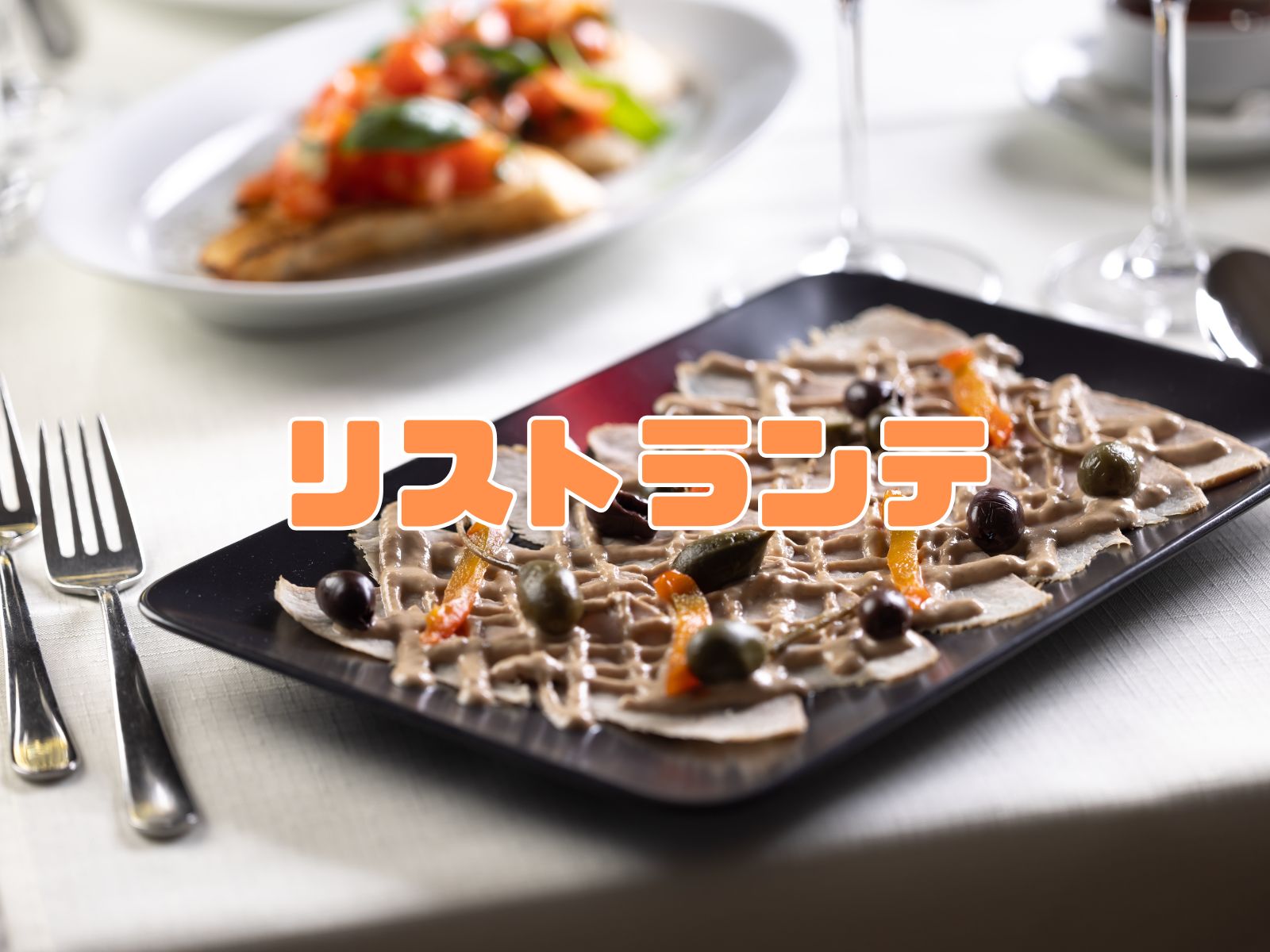
"Ristorante" (リストランテ) is an Italian term that literally means "restaurant."
In Japanese, it is primarily used to refer specifically to "high-class, fine-dining Italian restaurants."
The Original Meaning of "Ristorante"
In the Italian language, similar to the English word "restaurant," ristorante is a generic term referring to eateries in general, and it is by no means limited to upscale establishments.
The etymological origin is the verb ristorare, meaning "to restore," "to refresh," or "to revive."
The Concept of "Ristorante" in Japan
- Focus on Multi-Course Meals (Prix Fixe):
Many establishments prioritize serving complete multi-course dinners (Corsi) rather than simple à la carte options. - Higher Price Range:
Lunch typically costs several thousand yen, and dinner routinely exceeds 10,000 yen per person. - Dress Codes May Apply:
Depending on the establishment's prestige, guests may be requested to adhere to smart-casual or formal dress codes. - Highly Refined Table Service:
Waitstaff and sommeliers are highly trained in professional hospitality and dining etiquette. - Extensive Wine Cellars:
Establishments boast vast selections of premium wines, focusing heavily on regional Italian vintages.
Differences Between "Ristorante," "Trattoria," and "Osteria"
In Italian culinary culture, dining establishments are classified into several formats depending on their formality and pricing:
- Trattoria (トラットリア):
A casual Italian restaurant that is less formal than a ristorante. They serve home-style cooking at relatively reasonable prices in a warm, welcoming atmosphere. - Osteria (オステリア):
Originally, these were tavern-like establishments serving local wine alongside simple snacks and rustic dishes.
While historically positioned as even more casual than a trattoria, recent years have seen a surge in gourmet, upscale osterias focusing on curated local ingredients. - Pizzeria (ピッツェリア):
An establishment that specializes in or primarily serves freshly baked, wood-fired pizzas.
| Term | Key Characteristics |
|---|---|
| Ristorante | An upscale, formal Italian restaurant. Focuses on structured course menus with higher price points. |
| Trattoria | A casual, friendly Italian eatery. Offers home-style family cooking at reasonable prices. |
| Osteria | Historically a wine tavern serving simple food. Positioned more informally than a trattoria, though high-end gourmet variations have emerged recently. |
| Pizzeria | A specialized parlor focused primarily on serving authentic, freshly baked pizzas. |
| Bar (バール) | In Japan, Spanish-style taverns are often called "Bars" (バル - baru), but in Italy, a "Bar" is a multi-use social hub combining a morning espresso cafe, midday light eatery, and evening tavern. |
| Enoteca (エノテカ) | Originally meaning a "wine repository," this term has evolved to refer to specialized wine shops and tasting bistros boasting expansive collections served with premium pairings and hearty meals. |
| Taverna (タヴェルナ) | The Italian term for "tavern" or "rustic canteen." It is used almost synonymously with osteria, but can sometimes denote an even more down-to-earth, local dining spot. |
Practical Usage Examples
-
"We dined at a gorgeous ristorante to celebrate our wedding anniversary."
Conveying that you marked a special milestone by dining at an upscale Italian establishment. -
"The pasta at this particular ristorante is absolutely divine."
Praising the high culinary standard and exceptional taste of an upscale restaurant's signature dish. -
"He is a highly skilled chef who trained for years at a famous ristorante in Italy."
Explaining that the culinary professional acquired his expert skills at a prestigious, formal dining establishment in Italy. -
"The waitstaff at this ristorante display exceptionally polished hospitality manners."
Praising the highly refined service standards and professional hospitality of an upscale dining venue. -
"I hope to visit and dine at an authentic ristorante in Italy someday."
Expressing a personal desire to experience fine dining first-hand in the heart of Italy. -
"This establishment's lunch menu is surprisingly reasonable, making it highly recommended even for ristorante beginners." Explaining that because the daytime pricing is accessible, it serves as a perfect entry point for those new to upscale Italian dining.
Related Culinary Terms
- Trattoria (トラットリア): A welcoming, casual Italian dining spot.
- Osteria (オステリア): A cozy tavern offering wine alongside rustic, local cooking.
- Pizzeria (ピッツェリア): A dining spot specializing in authentic pizzas.
- Course Dining (Corsi): A structured meal format where appetizers, pastas, mains, and desserts are served sequentially.
- À La Carte: Ordering individual dishes separately rather than choosing a fixed course.
- Sommelier: A certified wine professional possessing deep expertise in pairings and vintages.
Etymological Origin
- Ristorante (リストランテ): An Italian word meaning "restaurant," derived from the Latin-based verb ristorare (meaning "to restore, refresh, or replenish one's energy").
While focusing on multi-course prix-fixe dining at a premium price, it rewards guests with incredibly refined table service, exquisite wine pairings, and authentic culinary artistry.
It is the perfect choice for celebrating milestones, romantic anniversaries, or hosting important business dinners.
I hope this dining and hospitality guide helps elevate your next Italian culinary adventure!
About "Ristorante (リストランテ - Ristorante: Authentic Italian fine dining definition, etiquette, and differences from Trattoria and Osteria)"
This page provides the English definition and usage guide for the professional term "Ristorante (リストランテ - Ristorante: Authentic Italian fine dining definition, etiquette, and differences from Trattoria and Osteria)." If you have any suggestions, feedback, or corrections regarding our terminology articles, please feel free to reach out via our contact form.