Abbaisser (アベッセ - Kitchen Prep Slang, Peak-Hour Ready Operations, and French Pastry Origins)
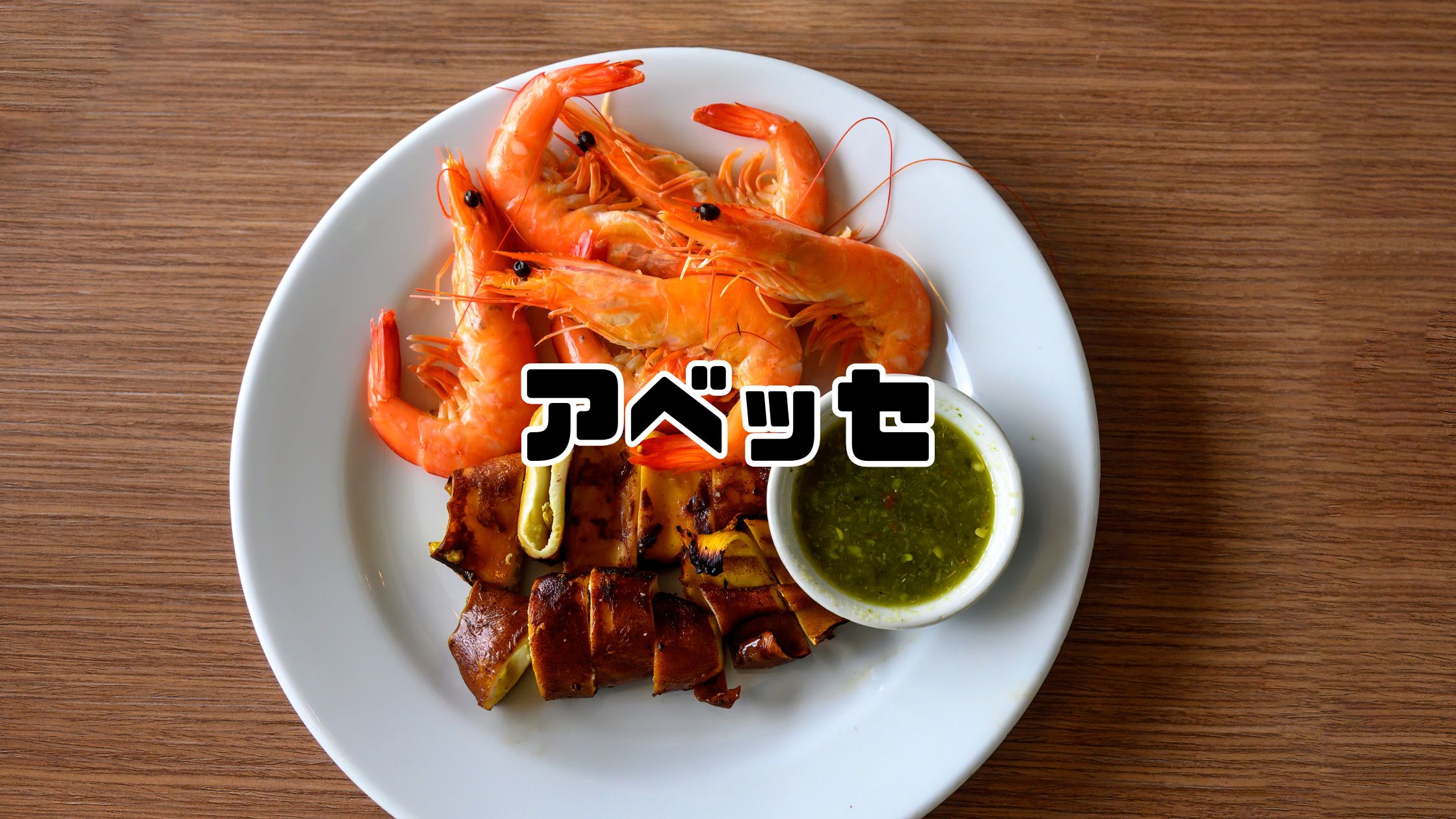
"Abbesse" (アベッセ) is a highly specialized piece of Japanese professional kitchen slang utilized primarily in French, Italian, and Western-style dining rooms. In savory hot kitchens, it refers to "ready-to-serve dishes" or "pre-prepared menu items that can be finished and served instantly to minimize table delivery times."
The term is etymologically derived from the French culinary verb "abaisser" (meaning "to lower" or "to decrease"). In the context of professional kitchen workflows, it represents prepping complex dishes ahead of the lunch or dinner rush (peak hours), so that when an order ticket prints, the line cooks can quickly plate or reheat the item. This effectively "lowers" or "decreases" the immediate cooking time required at the pass, smoothing out kitchen operations.
Common Culinary Examples of Abbesse Prep
- Cold Appetizers and Salads:
Vegetables are washed and julienned, and dressings are pre-emulsified ahead of service, enabling a line cook to simply plate and garnish the dish instantly on order. - Slow-Braised Dishes (Stew/Ragout):
Since slow-cooked meats require hours of simmering, they are cooked completely in advance. During service, the kitchen simply portions and reheats the braise, making it a classic example of an Abbesse. - Casseroles, Gratin, and Lasagna:
Dishes that take a long time to bake from scratch are prepared and baked ahead, cooled, portioned, and then quickly reheated under a salamander oven when ordered. - Desserts and Pastries:
Cold desserts (e.g., panna cotta, terrines) and baked goods are fully prepped and decorated beforehand, requiring zero active cooking during service.
[Note: In classical French baking, "abaisser" also refers to the specific technique of rolling out puff pastry, pie crusts, or dough using a rolling pin to a precise, thin sheet (known as an "abaisse"). Over decades, Japanese chefs adapted the term "abbaisser" to also mean lowering active ticket prep times in savory kitchens.]
Practical Kitchen Usage Examples of the Term "Abbesse"
- "What are the designated Abbesse items for today's lunch service?"
- "Reheat the slow-braised Abbesse portion and have it ready at the pass."
- "For tonight's dinner rush, let's prep a larger batch of our terrine and lasagna Abbesse."
- "Since this salad can be handled as an Abbesse, let's have it fully prepped before peak hours."
- "Hey pastry chef, how many portions of tomorrow's dessert Abbesse do we have ready in the cooler?"
- "Chef, the guest at Table 4 is in a rush; is it okay to fire their Abbesse course immediately?"
- "We are running low on our prepped Abbesse portions; get another batch fired on the double!"
- "If we run out of our prepped Abbesse stews, we'll have to pause incoming orders for that item."
Derived from the French verb "abaisser" (to lower), it represents menu items prepped entirely in advance to "lower" the active cooking time when a ticket prints.
Understanding this term gives you a deep, professional insight into how modern restaurants manage prep workflows, minimize food waste, and deliver hot food under intense time pressure.
The next time you receive a rich, slow-simmered beef stew within minutes of ordering, you are witnessing the perfect execution of an Abbesse prep workflow!
About "Abbaisser (アベッセ - Kitchen Prep Slang, Peak-Hour Ready Operations, and French Pastry Origins)"
This page provides the English definition and usage guide for the professional term "Abbaisser (アベッセ - Kitchen Prep Slang, Peak-Hour Ready Operations, and French Pastry Origins)." If you have any suggestions, feedback, or corrections regarding our terminology articles, please feel free to reach out via our contact form.