Underportioning (アンダーポーション - Restaurant Operations Quality Control, Portion Cost Control, and Service Standardization)
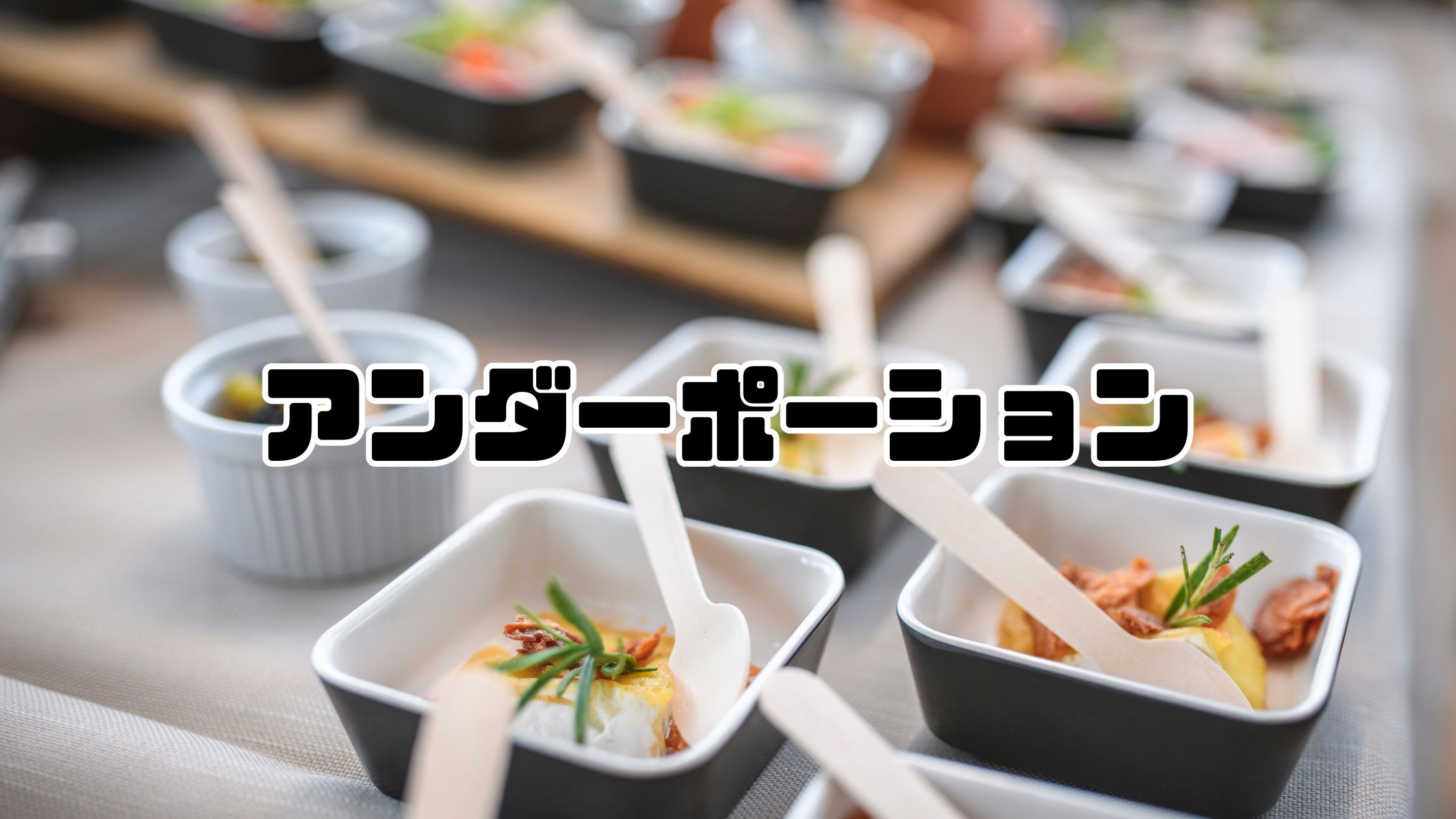
In the restaurant and hospitality industries, "Underportioning" (アンダーポーション - Andā Pōshon) refers to the operational defect where a dish is served with an ingredient volume or total weight that is below the restaurant's established recipe specifications.
The term combines "portion" (representing a standardized serving size for one guest) and "under" (meaning below or less than), indicating that the plated dish fails to meet standard size requirements.
Why Underportioning is a Critical Threat to Restaurants
Serving under-portioned dishes directly damages customer trust and undermines operational profitability:
- Severe Drop in Customer Satisfaction:
Diners expect a volume of food that corresponds to the menu price. Receiving a visibly small plate triggers feelings of being overcharged, ruining their dining experience. - Increased Guest Complaints:
Acts as a primary trigger for immediate table complaints, forcing servers to manage stressful service recoveries and issue complimentary vouchers. - Dilution of Customer Retention:
If guests consistently receive inconsistent or small portions, they will simply take their business to more reliable competitors, eroding the repeat guest base. - Brand Reputation Damage:
Triggers highly damaging negative reviews and photos on Google Maps, Yelp, and social networks, turning away potential new patrons.
Root Causes of Kitchen Underportioning
- Line Cook Errors and Lack of Auditing:
Inattentive prep work, poor visual estimations, or failing to weigh expensive proteins during plating rushes. - Natural Variances in Raw Ingredients:
When handling irregular ingredients (e.g., bone-in chicken thighs or seasonal vegetables), visual portioning without scales easily leads to inconsistent sizes. - Misguided Cost-Cutting Mindsets:
Line cooks or managers may unconsciously cut portion sizes in a misguided effort to hit strict food cost percentage targets. - Insufficient Onboarding and Training:
New hire cooks who have not yet mastered the recipe specifications or lack access to plating manuals.
Practical Examples of the Term "Underportioning" in Kitchens
- "This Ribeye steak is clearly under-portioned compared to our standard 10-ounce spec."
Used to point out that a plated steak is visibly smaller than what is advertised on the menu. - "To guarantee consistency and avoid underportioning, always weigh every protein portion on the scale."
Used by kitchen managers directing line cooks to adhere strictly to portion controls. - "We have received multiple table complaints regarding under-portioned salads; verify our prep bowls immediately."
Used to share customer feedback with the kitchen staff and prompt immediate adjustments. - "To build long-term guest trust, our culinary team conducts regular portion audits to eliminate underportioning."
Used to communicate quality control standards and brand commitment to customers. - "Irregular ingredients like seafood require extra care; weigh them to prevent underportioning."
Used to remind cooks that visual estimation is unreliable for unevenly shaped raw ingredients. - "Underportioning is a direct driver of guest dissatisfaction; we must maintain absolute consistency on every plate."
Used during staff pre-shift briefings to highlight how portion consistency protects restaurant success.
Effective Strategies to Prevent Underportioning
- Strict Implementation of Kitchen Scales:
Enforcing scale usage during both afternoon prep work and live line service to eliminate guesswork. - Regular Managerial Audits:
Kitchen managers randomly pulling plates off the line to weigh them, coaching cooks on portion standards. - Visual Recipe and Plating Manuals:
Publishing laminated, high-definition photo guides at every station showing the exact plating layout and volume. - Standardized Kitchen Tools:
Utilizing color-coded portion scoops, ladles, and ramekins to guarantee identical volumes of sauces, grains, and sides.
The Antonym: Overportioning
- Overportioning (オーバーポーション):
Serving a volume that exceeds standard recipe specifications. While guests may appreciate it, overportioning directly erodes restaurant profit margins and inflates food costs.
Associated Operational Concepts
- Portion (ポーション):
The standardized weight, volume, or count of a food item designed to be served to a single guest.
Because consistency is the absolute foundation of guest loyalty, serving small plates directly damages customer trust and erodes restaurant repeat business.
To prevent this, successful restaurant operations establish strict scale policies, utilize standardized scoops, and train kitchen teams using clear photo manuals.
I hope this operational and technical breakdown helps you optimize kitchen workflows and maintain stellar quality control in your hospitality operations!
About "Underportioning (アンダーポーション - Restaurant Operations Quality Control, Portion Cost Control, and Service Standardization)"
This page provides the English definition and usage guide for the professional term "Underportioning (アンダーポーション - Restaurant Operations Quality Control, Portion Cost Control, and Service Standardization)." If you have any suggestions, feedback, or corrections regarding our terminology articles, please feel free to reach out via our contact form.