Wan-ope (ワンオペ - Wan-ope: Solo-operation working style in Japanese food service, labor issues, and corporate safety measures)
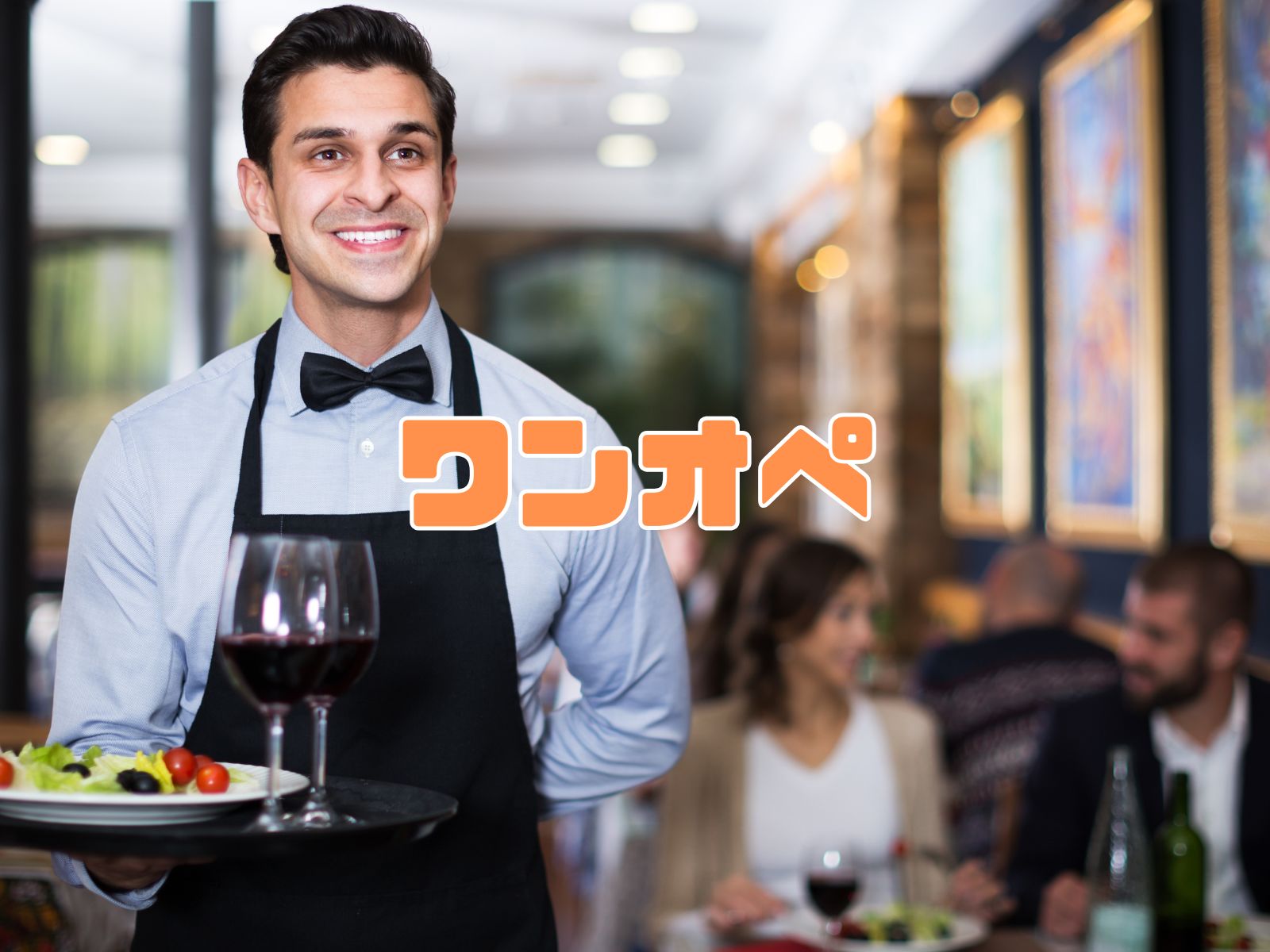
"Wan-ope" (ワンオペ) is a popular Japanese business and sociological term that serves as a shorthand abbreviation for "One-person Operation" (ワンオペレーション - Wan-operēshon).
It designates the practice of having a single employee manage and execute all business operations that should structurally and safely be handled by multiple staff members.
In the Japanese food service and retail industries, it standardly refers to a demanding shift configuration where only one employee runs the entire store alone during active business hours.
Scope of Duties Under a "Wan-ope" Shift
The exact scope of tasks assigned to a solo employee during a "Wan-ope" shift varies based on the size and format of the store, but standardly includes the following simultaneous duties:
- Customer Service: Greeting guests, seating diners, taking orders, serving food and drinks, processing cashier payments, and clearing tables.
- Food Preparation: Executing cooking tasks, plating dishes, and prepping raw ingredients.
- Store Maintenance: Cleaning the dining area, washing piles of dishes, and keeping restrooms sanitary.
- Phone Inquiries: Answering incoming calls, coordinating seat reservations, and handling customer questions.
- Inventory and Ordering: Auditing stock levels and placing raw material orders (though standardly pre-arranged before the solo shift begins).
- Complaint Handling: Resolving immediate complaints or customer issues on the spot.
- Financial Control: Verifying sales revenues, auditing cash drawers, and performing nightly registers closure.
Why "Wan-ope" is Critically Criticized in Japan
- Extreme Employee Overwork:
Sourcing all labor from a single worker imposes immense physical and cognitive loads, frequently forcing long hours and making the legally mandated acquisition of rest breaks practically impossible. - High Health Risks:
Chronic exposure to high-pressure, solo work environments dramatically raises the risks of severe physical and mental health issues. - Degradation of Service Quality:
Because a single worker must execute multiple urgent tasks simultaneously, cooking precision and customer service speeds inevitably drop. - Delayed Emergency Response:
If a severe accident, technical failure, or loud customer dispute arises, a solo worker is incapable of resolving it quickly while managing the ongoing business flow. - Severe Security and Crime Vulnerability:
Stores operated by a single worker (especially late-night beef bowl joints or 24-hour convenience stores) are highly targeted by armed robbers. Furthermore, if a sudden medical emergency occurs, the solo worker has no internal backup to call for help. - Complete Loss of Rest Breaks:
Because the store cannot be left unattended, workers are frequently unable to take dining breaks or even step away for brief restroom visits.
The Economic Background Driving "Wan-ope" Systems
The widespread emergence of "Wan-ope" configurations in the Japanese economy is driven by these structural causes:
- Chronic, Severe Labor Shortages:
The food service and retail industries suffer from chronic worker deficits due to Japan's aging and shrinking population, making it exceptionally difficult to recruit workers for late-night or early-morning slots. - Drastic Labor Cost Cuts:
Corporate pressures to maximize profit margins drive managers to minimize labor costs by cutting shift personnel to the absolute limit. - Misguided Efficiency Drives:
In pursuing structural efficiency, companies overload individual staff members with unrealistic, high-volume workloads.
Practical Usage Examples
-
"Apparently, that famous beef bowl chain runs on complete wan-ope shifts late at night."
Discussing the fact that only one employee operates the entire diner during midnight hours. -
"Working a wan-ope shift is incredibly exhausting, both physically and mentally."
Expressing the extreme fatigue associated with managing an entire store completely alone. -
"It's terrifying to think about what would happen if a robber entered during my wan-ope shift."
Expressing anxiety over severe security vulnerabilities while working solo night shifts. -
"Forcing employees into continuous wan-ope shifts can lead to serious Labor Standards Act violations."
Pointing out that extreme solo shifts can easily violate legal regulations regarding rest breaks and work hours. -
"The issue of wan-ope shifts at convenience stores has become a major national social problem."
Discussing how solo convenience store night shifts are heavily criticized in media and society. -
"We received official directives from corporate headquarters to improve and eliminate wan-ope shifts immediately."
Informing staff that corporate management has ordered a complete review of the solo shifting structure.
Solutions and Countermeasures to the "Wan-ope" Problem
Resolving the critical issues surrounding "Wan-ope" labor structures requires these strategic steps:
- Enforcing Mandatory Multiple-Employee Shifts:
To improve employee health, elevate service standards, and secure shop safety, companies must strictly commit to scheduling at least two workers per shift. - Leveraging IT and Automation:
Installing mobile self-ordering tablets, automatic cash registers, and streamlined kitchen workflows to minimize manual workloads. - Structured Training Programs:
Elevating employee versatility through cross-training, making tasks faster and helping them manage emergency issues with confidence. - Installing Advanced Security Systems:
Placing high-definition security cameras, quick-access panic buttons, and loud alarm systems to protect solo night staff. - Proactive Corporate Headquarters Support:
In franchise networks, headquarters must actively audit, support, and financially incentivize local owners to establish fair labor environments.
Heavily criticized due to its severe impacts on worker health, service delays, and armed robbery risks, it has spurred a massive push across Japan's retail and dining sectors toward automation and mandatory double-staffing.
Resolving "Wan-ope" challenges demands thorough management reforms, advanced IT adoption, and a corporate culture prioritizing employee well-being.
I hope this detailed economic and labor relations guide sheds light on Japan's modern workplace transitions!
About "Wan-ope (ワンオペ - Wan-ope: Solo-operation working style in Japanese food service, labor issues, and corporate safety measures)"
This page provides the English definition and usage guide for the professional term "Wan-ope (ワンオペ - Wan-ope: Solo-operation working style in Japanese food service, labor issues, and corporate safety measures)." If you have any suggestions, feedback, or corrections regarding our terminology articles, please feel free to reach out via our contact form.