Amuse-Bouche (アミューズ - The Art of the Single-Bite Starter, Culinary Expressions of Hospitality, and Kaiseki Comparisons)
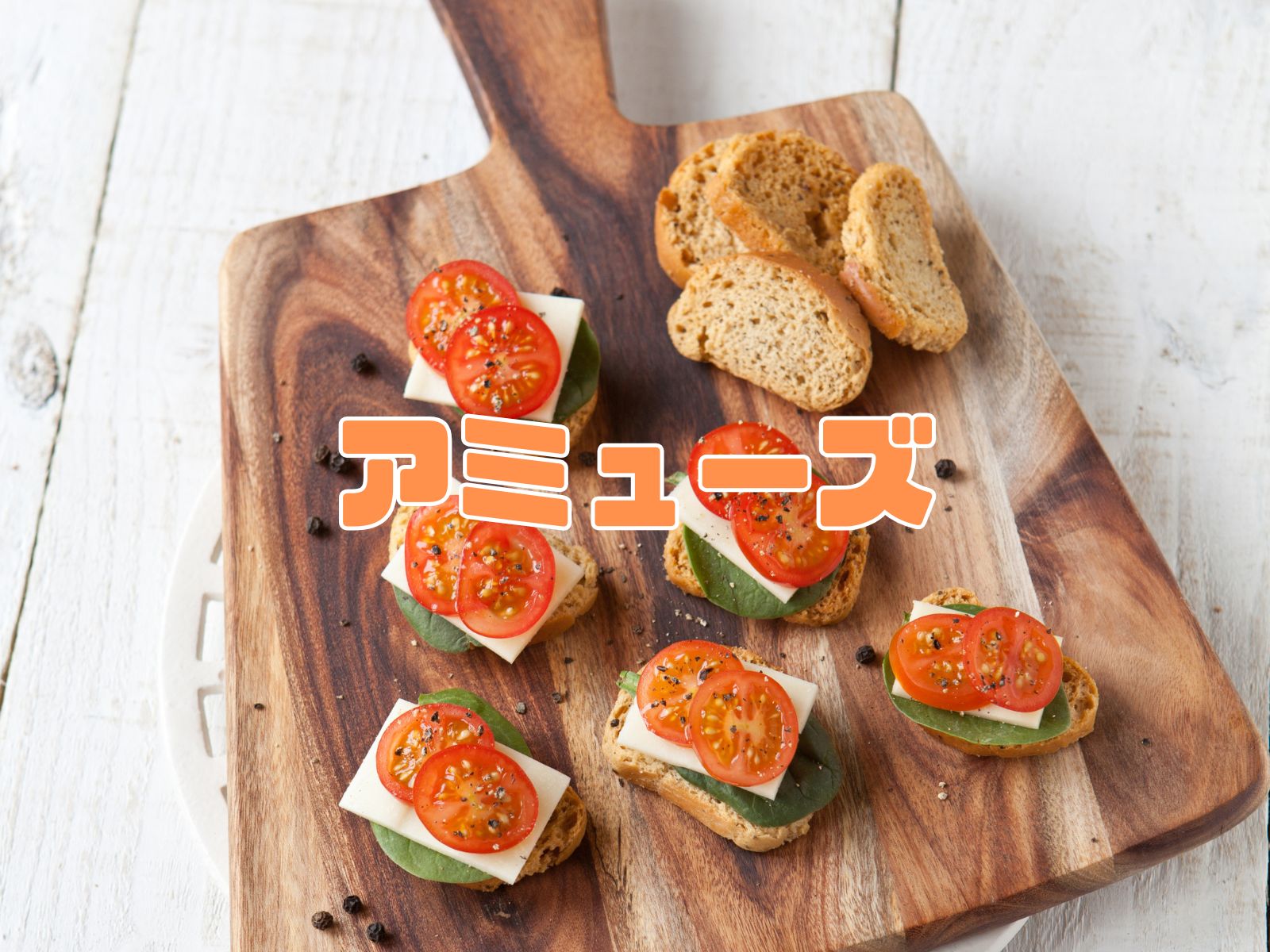
An "Amuse" (アミューズ) refers to a single, bite-sized complimentary starter served at the absolute beginning of a formal French course meal, prior to the official appetizer.
It is also classically referred to as an "Amuse-bouche" (アミューズ・ブーシュ) or "Amuse-gueule" (アミューズ・グール).
- Amuse-bouche: Translates literally from French to "mouth-amuser."
- Amuse-gueule: Translates literally to "throat/maw-amuser" (a slightly more colloquial, gourmand-focused expression).
In modern gastronomy, both terms are used interchangeably to represent the same luxurious prelude to a meal.
Core Culinary Objectives of an Amuse-Bouche
Chefs design and present an amuse-bouche for several vital gastronomic purposes:
- Stimulating the Appetite: Serving a tiny, highly concentrated burst of flavor (acidic, savory, or rich) to activate salivary glands and build immediate anticipation for the following courses.
- Expressing the Chef's Identity: Utilizing a tiny, delicate dish to showcase the kitchen's signature culinary style, creativity, and technical capability from the very first bite.
- Highlighting Seasonal Ingredients: Using ultra-fresh, seasonal, or rare ingredients in tiny amounts to set the thematic tone of the seasonal menu.
- Sparking Conversation: Presenting an unexpected, visually surprising, or playful bite serves as a wonderful conversation starter at the table.
- A Gesture of Welcome: Typically provided completely free of charge (courtesy of the chef), it serves as a warm, culinary welcome to the establishment, showing the restaurant's hospitality.
Key Characteristics of the Amuse-Bouche
- Bite-Sized Portions: Formatted to be eaten easily in a single bite, often served on an individual Chinese-style soup spoon or a small cocktail pick.
- Minimal Volume: Carefully portioned to avoid filling the stomach or desensitizing the palate before the main courses arrive.
- Visually Exquisite: Designed with immense focus on aesthetic detail, miniature garnishes, and elegant color contrasts.
- Highly Creative: Features innovative combinations, texture play (e.g., foams, crunches), and clever temperature contrasts.
- Complimentary Offering: Included natively as a complimentary gesture within the overall price of the course menu.
Common Real-World Examples of Amuse-Bouche
The variety of an amuse-bouche is limited only by the chef's imagination, including:
- Delicate cold vegetable mousses (e.g., chilled green pea or pumpkin espuma).
- Miniature warm savory quiches.
- A single marinated oyster or scallop draped in citrus glaze.
- Crisp grissini wrapped in dry-cured prosciutto.
- A tiny segment of seasonal fruit paired with goat cheese or reductions.
- A small savory cheese puff (Gougère).
- A single shot glass of highly concentrated cold gazpacho or warm consommé.
- Elegant micro-canapés topped with paté or botanical purees.
Contrasting Amuse-Bouche with Appetizers and Japanese Tsukidashi
- Amuse-Bouche: Compliments of the chef, extremely small (one bite), served before the appetizer. Highly creative and designed as a welcome gift.
- Appetizer / Hors d'oeuvre (前菜): The official first course of the meal. Offers substantial volume, structural complexity, and is billed as a core part of the menu.
- Tsukidashi / Otoshi (突き出し/お通し): The opening small dish served in Japanese Izakayas. While served at the start, it is generally charged as a seat cover fee rather than being a free welcome gift from the kitchen.
Practical Business Examples of the Term "Amuse"
- "To open our course menu tonight, the chef has prepared a caviar-topped amuse-bouche."
Used by service staff presenting the very first bite to a dining table. - "This restaurant's amuse-bouche is consistently creative, always offering a delightful surprise."
Used by diners praising a venue's continuous innovation and culinary hospitality. - "You can instantly evaluate a chef's technical skill by the balance of their opening amuse."
Used by culinary critics noting that miniature bites demand exceptional precision. - "I am highly excited to see what style of amuse the kitchen has designed for us this evening."
Used by food lovers expressing anticipation for the opening of a multi-course dinner. - "The entire meal was outstanding, from the opening amuse to the final dessert."
Used as a comprehensive positive review covering the entire Kaiseki or French course. - "The server explained the delicate ingredients in our opening amuse-bouche with extreme care."
Used when highlighting the high standard of service and menu education at a premium restaurant.
Associated Gastronomic Terminology
- Hors d'oeuvre (オードブル): The traditional appetizer course.
- Entrée (アントレ): Traditionally the hot starter, but evolved to denote the main course in US terminology.
- Plat (プラ): The main course (meat or fish) in French dining.
- Dessert / Dessert (デセール): The sweet final course.
Linguistic Origins
- Amuse (アミューズ): Derived from the French verb "amuser," meaning "to entertain," "to delight," or "to please."
- Bouche (ブーシュ): The standard French noun representing "mouth."
- Gueule (グール): The French term representing "throat" or "mouth" (often used warmly for animals or robust eating).
Served as a complimentary gift from the chef, it packs a massive burst of flavor, texture, and visual beauty into a single, elegant bite.
By showcasing the kitchen's technical skill and seasonal focus from the very first moment, it sets a wonderful tone for the entire dinner.
I hope this detailed guide helps you enjoy your next multi-course dining experience with deeper culinary appreciation!
About "Amuse-Bouche (アミューズ - The Art of the Single-Bite Starter, Culinary Expressions of Hospitality, and Kaiseki Comparisons)"
This page provides the English definition and usage guide for the professional term "Amuse-Bouche (アミューズ - The Art of the Single-Bite Starter, Culinary Expressions of Hospitality, and Kaiseki Comparisons)." If you have any suggestions, feedback, or corrections regarding our terminology articles, please feel free to reach out via our contact form.