Entremets (アントルメ - The Evolution of the French Dessert Course, Historic Intermezzo Performance, and Modern Patisserie Whole Cakes)
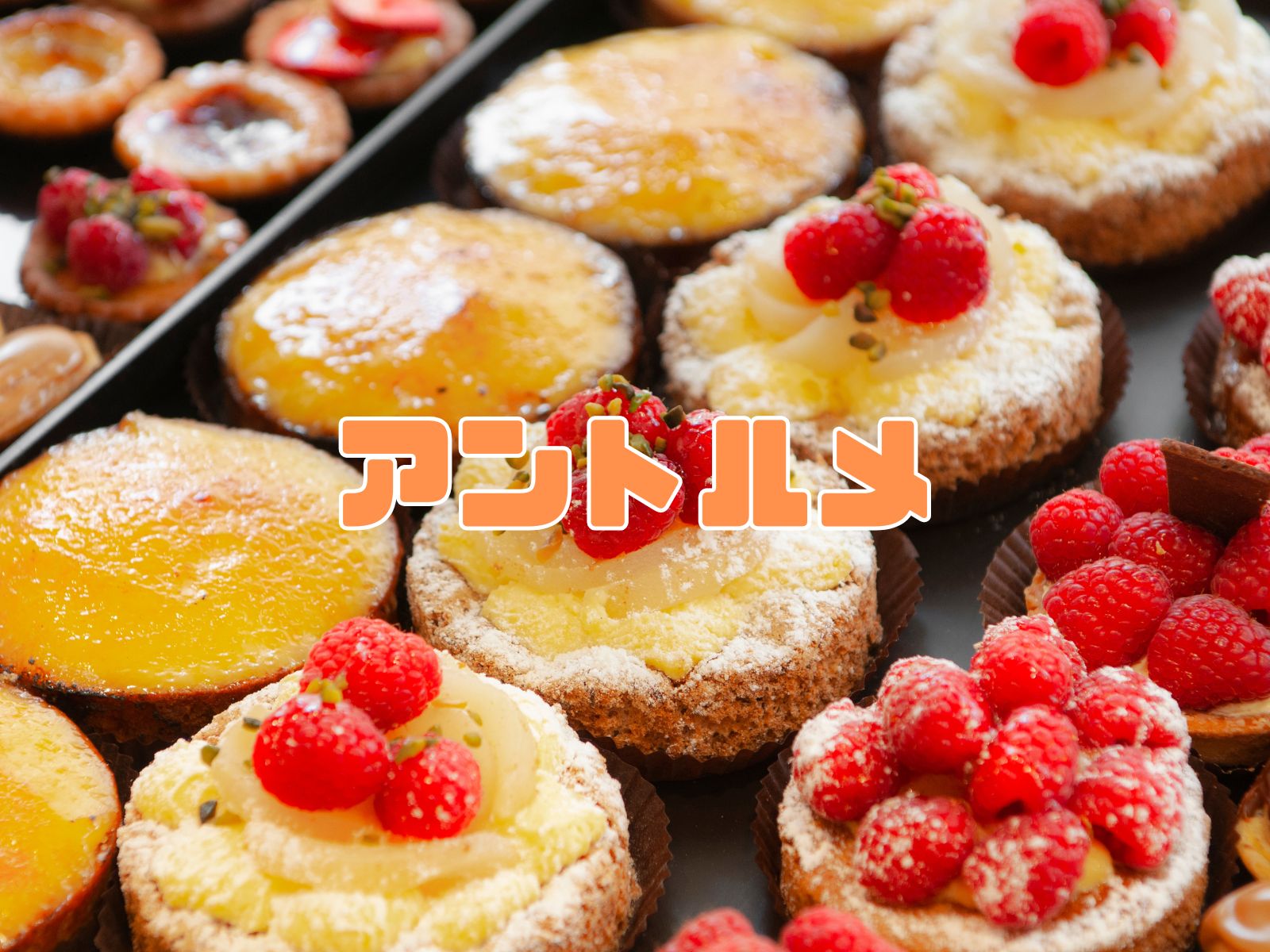
An "Entremets" (アントルメ) is a classical French culinary term that historically referred to light dishes served immediately after the main course and immediately prior to the final dessert course.
What is an Entremets?
Over centuries of gastronomic history, the meaning of the word has evolved dramatically. Today, the term is used to represent two distinct concepts:
- The Classical Gastronomic Meaning:
Delicate savory side dishes, vegetable courses, hot soufflés, or light sweet dishes served after the heavy meat courses (roasts) but before the final sweet dessert (déserte). - The Modern Pastry Meaning:
In modern patisseries, "Entremets" refers specifically to large, whole-sized decorated cakes or sophisticated, multi-layered cold desserts (such as mousses, charlottes, or bavarois) composed of diverse textures and intricate components.
Important Clarifying Context
- In classical French banquets, entremets were not necessarily sweet; they frequently included elaborately cooked vegetable sides (like cardoons or asparagus with rich sauces). However, as cheese, fruits, and sweetened ice creams became the standard interlude before final departures, the term gradually became synonymous with sweet, high-end desserts.
- In Japan's high-end pastry industry, the word is almost universally used by pastry chefs to denote "a whole, unsliced celebration cake" (such as a birthday or Christmas cake), as opposed to single-serving slices ("petit gâteau").
Linguistic Origin and Etymology
The French noun "entremets" is a compound of "entre" (meaning "between") and "mets" (meaning "dish").
It translates literally to "dishes served between courses," reflecting its historic position as an interlude during elaborate royal feasts.
A Brief History of the Entremets
The history of entremets dates back to the lavish court banquets of medieval Europe. Originally, an entremets was not food at all, but a theatrical intermission or "pageant" (often featuring musicians, dancers, or elaborate wooden replicas of castles) presented between heavy roasts to entertain the court.
Gradually, these pageants were paired with highly decorative showpieces made of colored sugar, marzipan, or pastry. By the 19th century, as dining habits shifted toward modern course structures, these developed into the artistic, sweet, multi-layered cold desserts we recognize today, forming the grand finale of formal dining.
Structure of a Classical French Course Menu and the Entremets
In a highly traditional, full-scale classical French banquet menu, the entremets occupies a specific operational slot:
- Amuse-bouche (Opening bite)
- Hors-d’œuvre (Appetizer)
- Potage (Soup)
- Poisson (Fish course)
- Sorbet (Palate cleanser)
- Viande / Rôt (Main roast meat course)
- Entremets (Vegetables, cheese, or sweet hot soufflés)
- Dessert (Chilled fruits, delicate bonbons)
- Café & Mignardises (Coffee and tiny petit fours)
In modern, simplified fine-dining courses, the independent 7th course (entremets) is typically omitted, with the kitchen transitioning directly from the main protein course to the sweet "dessert."
Technical Classifications in Modern Patisseries
Within high-end pastry design, an entremets represents the pinnacle of a pastry chef's technical skill, categorized under two main concepts:
- Whole Celebration Cakes (Grand Gâteau):
An unsliced, elaborately decorated round, square, or custom-shaped cake designed to be shared and cut at birthdays, weddings, or seasonal holidays. - Multi-Layered Textural Masterpieces:
Bespoke cold desserts featuring a complex combination of internal elements—typically a sponge base (biscuit), velvety mousse layers, set fruit compotes, creamy centers (cremeux), crunchy hazelnut pralines (croustillant), and finished with a brilliant mirror glaze (glaçage miroir).
Practical Business Examples of the Term "Entremets"
- "We have successfully booked our signature Christmas entremets from the famous local patisserie."
Used when referencing ordering a whole, decorated holiday cake. - "This mousse-based entremets exhibits a magnificent combination of textures and flavors."
Used by pastry critics praising the complex, multi-layered interior design of a cold dessert. - "The pastry academy curriculum features an exhaustive practical session on assembling advanced entremets."
Used to describe professional training in whole cake glazes and structures. - "Our pastry chef won the prestigious gold medal at the international entremets-glacé competition."
Used when celebrating a victory in professional ice-cream cake design. - "Let's complete the final mirror glaze on our chocolate entremets before placing them in the display case."
Used by kitchen staff coordinating the final assembly steps of whole display cakes. - "The restaurant's savory entremets course was plated as an artistic tribute to seasonal vegetables."
Used to praise the visual beauty of a traditional mid-course savory vegetable dish.
Associated Pastry Terminology
- Entremets Glacé (アントルメグラッセ): A whole decorated cake crafted using ice creams, sherbets, and frozen parfaits.
- Petit Gâteau (プティガトー): Single-serving, miniature individual cakes.
- Grand Gâteau (グランガトー): The general French term for large, shared whole cakes.
Representing the absolute height of a pastry chef's quantitative skill and artistic vision, assembling an entremets requires precise control over temperature, textures, and mirror glazes.
Whether ordering a whole celebration cake for a birthday or enjoying a complex, multi-layered chocolate mousse at a fine-dining table, you are experiencing centuries of French pastry evolution.
I hope this historical and technical breakdown adds a sweet layer of appreciation to your next dessert celebration!
About "Entremets (アントルメ - The Evolution of the French Dessert Course, Historic Intermezzo Performance, and Modern Patisserie Whole Cakes)"
This page provides the English definition and usage guide for the professional term "Entremets (アントルメ - The Evolution of the French Dessert Course, Historic Intermezzo Performance, and Modern Patisserie Whole Cakes)." If you have any suggestions, feedback, or corrections regarding our terminology articles, please feel free to reach out via our contact form.