Portion (ポーション - Portion: Food service definition, restaurant portion control, and cost management)
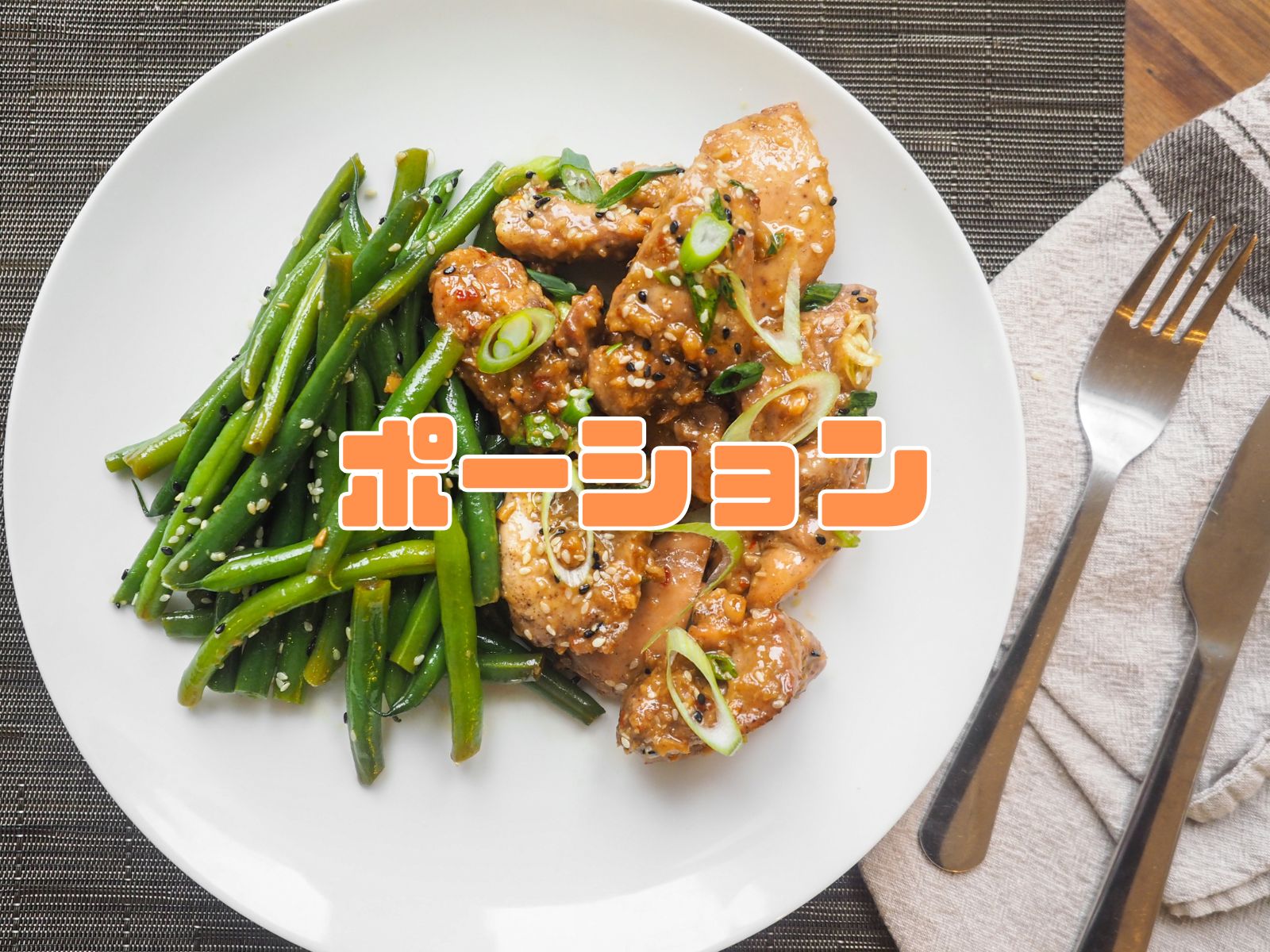
"Portion" (ポーション) is an English culinary term meaning the amount of food served to one person (serving size) or a single shared helping.
In the professional food service and restaurant industry, it primarily carries the following two practical meanings:
-
A Single Serving of a Prepared Dish
- Mainly designates the specific volume of food arranged on a plate for one guest, especially in course dining or shared banquet platters.
- The general portion size differs extensively based on the restaurant's operational concept and the type of cuisine served.
-
Pre-portioning Ingredients and Seasonings
- Refers to the process of dividing raw ingredients, proteins, or sauces into exact, pre-measured weights prior to service to maximize kitchen efficiency and ensure robust food cost controls.
- Kitchen crews frequently use the Japanese verb form "Portion-suru" (to portion out) to describe this prep prep-line activity.
Etymological Background
The term "Portion" originates directly from the English word "portion," meaning a part, share, or serving size. Historically, its linguistic roots trace back to the Latin word portio, meaning "a part or share."
Why Portion Management is Critical in Kitchen Operations
In professional restaurant operations, maintaining strict portion controls is vital for the following reasons:
- Standardized Culinary Quality:
Serving the exact same portion every time ensures that the flavor balance, presentation aesthetics, and cooking times remain perfectly uniform. - Accurate Food Costing:
Keeping portion sizes perfectly consistent allows managers to calculate precise cost of goods sold (COGS) and maintain accurate menu pricing. - Culinary Waste Reduction:
Optimizing and enforcing correct portion sizes directly prevents ingredient wastage, driving down food cost percentages. - Boosting Guest Satisfaction:
Delivering appropriate, uniform serving sizes prevents guests from feeling shortchanged, building long-term patron trust. - Fast Prep-line Workflows:
Pre-portioning complex ingredients during morning prep significantly cuts down cooking ticket times during busy dinner rushes.
Practical Examples of Portions
- Course Dinner Plate:
An individual course plate containing a single, beautifully arranged portion of a tasting menu. - Steak Weight Standards:
A classic example is a menu standardizing a "200 g Ribeye Steak"—where 200 g represents the absolute raw weight portion. - A Single Slice of Cake:
Cutting a whole round cake into uniform slices creates separate, individual portions for sale. - Single-Serve Breakfast Accents:
Small, pre-packaged cups of butter or jams served in hotel breakfast buffets are excellent examples of commercial portion packs. - Pre-measured Sauces:
Salad dressings or stir-fry sauces portioned into small squeeze cups prior to peak service hours.
Real-World Culinary Context Examples
-
"The portion size of this pasta dish is exceptionally generous."
Describing a plate where the single-person serving size is larger than standard expectations. -
"Let's slightly reduce the steak portion size to lower the menu price."
Proposing to shrink the serving weight in order to make the dish more budget-friendly. -
"Please portion the raw chicken breasts into 100 g cuts and freeze them."
Instructing kitchen prep staff to weigh, vacuum-pack, and freeze exact portions for quick service utility. -
"Hotel buffet bars standardly provide butter and jams in pre-packaged portions."
Explaining that hotels prevent waste and maintain sanitation by offering single-use condiment packages. -
"Since tasting menus feature very small portions, you can comfortably enjoy all 10 courses."
Reassuring a guest with a small appetite that tasting course plates are light enough to finish the entire meal. -
"The food here tastes brilliant, but the standard portions are far too small."
Critiquing a dining spot where culinary quality is high, but the serving size leaves guests feeling hungry.
Related Culinary Terminology
- Portion Control: The systematic management and measurement of serving sizes to maintain cost controls and uniform quality.
- Portion Pack: Standardized, single-use packages of food, condiments, or ingredients.
- Portion Size: The specific visual or weight size of a single serving.
Enforcing strict portion control is the bedrock of uniform culinary quality, accurate costing, and streamlined kitchen workflows.
Consistently serving standardized sizes is how top-tier restaurants ensure every single guest receives a reliable, high-value experience.
I hope this operational guide helps you optimize your kitchen portioning!
About "Portion (ポーション - Portion: Food service definition, restaurant portion control, and cost management)"
This page provides the English definition and usage guide for the professional term "Portion (ポーション - Portion: Food service definition, restaurant portion control, and cost management)." If you have any suggestions, feedback, or corrections regarding our terminology articles, please feel free to reach out via our contact form.