Flower Moon (フラワームーン - Flower Moon: Definition, cultural origins, spiritual meanings, and annual dates)
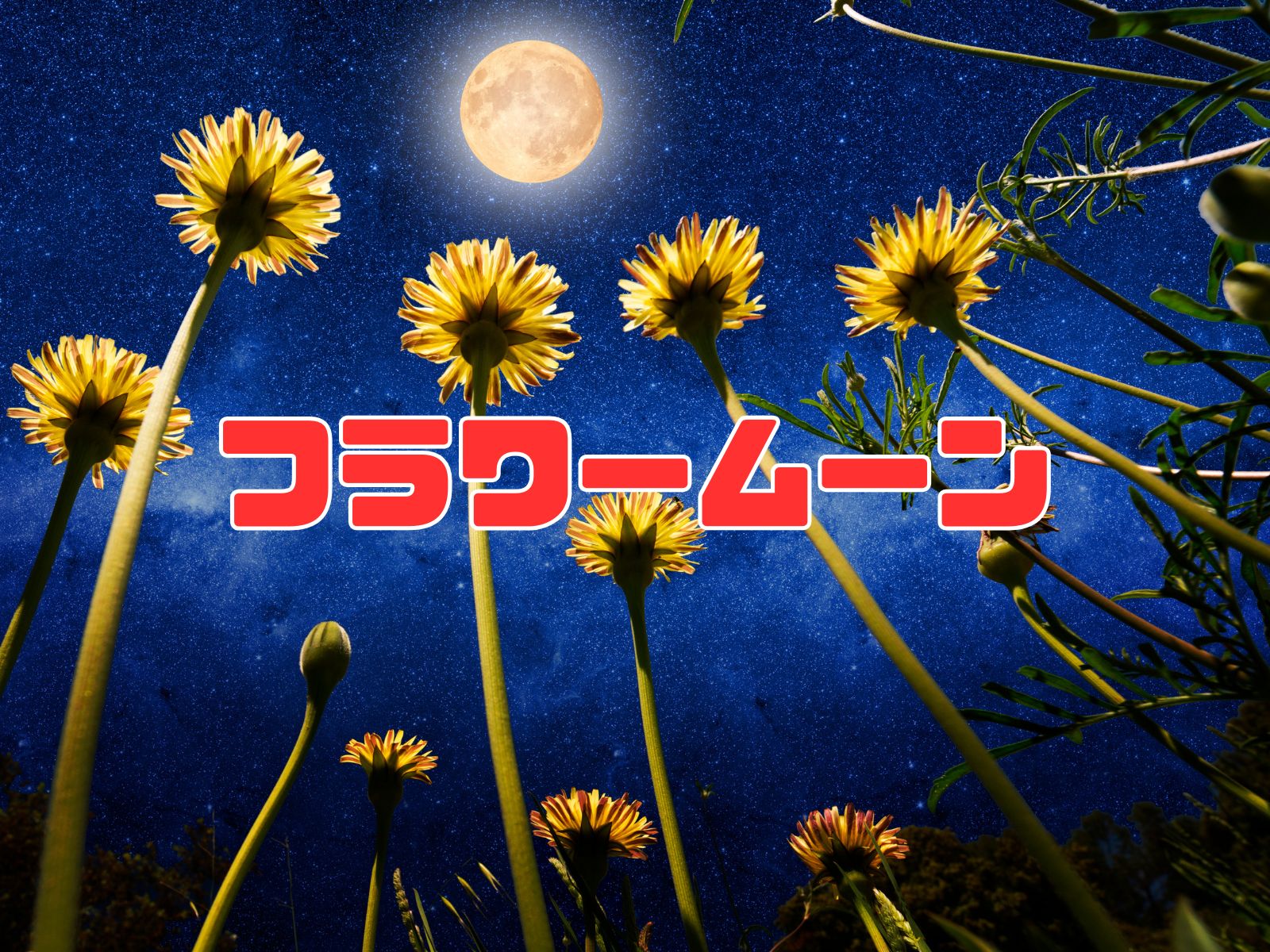
The "Flower Moon" (フラワームーン) is the traditional name given to the full moon observed during the month of May.
In astronomical folklore, each month's full moon is assigned a unique name, and the Flower Moon stands as a gorgeous symbol of late spring and early summer.
Etymological Origins
The name "Flower Moon" originates from the seasonal calendars of Native American tribes in North America.
Specifically, May is the peak season when countless wild flowers burst into full bloom across the northeastern woodlands. Meaning literally a "moon of flowers," this name beautifully represents the abundance, beauty, and revitalization of nature as spring transitions into summer.
Other Traditional Names
While "Flower Moon" is the most globally recognized English term, some cultures and regions historically referred to it by other seasonal names—including the "Mother's Moon" (representing fertility and maternal warmth) or the "Milk Moon" (marking the peak lactation of livestock as fresh spring pastures grew rich).
Key Characteristics of the Flower Moon
- The Bridge between Spring and Summer:
The Flower Moon rises as a bright, warm herald marking the official transition from late spring to early summer. - Peak Vitality of Nature:
It coincides with the absolute peak of biological activity, where flora and fauna are at their most energetic. - Agricultural Indicators:
In indigenous cultures, it served as a crucial calendar marker, signaling the ideal timing for planting warm-weather crops like maize, squash, and beans.
Spiritual and Metaphysical Meanings
In modern astrology and wellness circles, the Flower Moon is believed to hold deep, unique metaphysical energies:
- Rapid Growth and Prosperity:
Reflecting the blossoming landscape, this moon is celebrated as a powerful energy source for personal growth, career success, and manifest abundance. - Beauty, Grace, and Harmony:
The healing beauty of flowers brings peace to the mind. The Flower Moon is thought to help soothe emotional stress, repair relationships, and restore inner harmony. - Heightened Creativity and Expression:
Flowers are the ultimate expression of nature's creativity. This moon is considered an auspicious timing to start artistic projects, explore new hobbies, and express your true self.
Tips for a Successful Observation
- Date:
Observe on the exact date of May's full moon. Keep an eye on local astronomical calendars. - Timing:
The full moon remains visible from sunset to sunrise. Checking the exact moonrise time and altitude in advance helps in planning your stargazing. - Ideal Locations:
Seek open, elevated spaces free from tall city buildings and urban light pollution. - Weather Conditions:
Monitor local weather forecasts closely to ensure a clear, cloudless sky.
Creative Ways to Enjoy the Flower Moon
- Flower and Moon Viewing:
Stroll through a garden or a park where late-spring flowers are blooming, enjoying their fragrance under the soft lunar glow. - Listen to Themed Music:
Listen to soothing acoustic, classical, or nature-themed tracks to enhance the atmospheric stargazing experience. - Mindful Flower Moon Meditation:
Meditate in a quiet space under the moonlight. Visualizing the warm, floral lunar energy filling your body is highly recommended for cultivating deep relaxation, emotional healing, and manifesting personal growth. - Decorate with Fresh Blossoms:
Place a vase of fresh, colorful flowers in your room to symbolically invite the vibrant energy of the Flower Moon into your home.
Indigenous Cultural Significance
The cultural framework of the Flower Moon is deeply rooted in Native American traditions. Living in close harmony with the earth, these tribes relied on the lunar cycles as a calendar to govern agricultural schedules, hunting trips, and communal celebrations.
- Seasonal Indicators:
The moon served as a reliable visual clock. The Flower Moon signaled the end of cold spring frosts and the arrival of peak warm weather. - Gratitude for Nature:
Indigenous cultures honored the natural order, treating the Flower Moon as a seasonal opportunity to express gratitude for the earth's fertility and new life. - Tribal Variations:
Different tribes maintained unique dialects and vocabularies. Some referred to the May full moon through alternative natural indicators, such as the "Planting Moon" or "Corn Planting Moon."
Flower Moon Calendar: Dates from 2024 to 2030 (JST)
Below are the precise times when the Moon reaches its peak full phase in Japan Standard Time (JST):
- 2024: May 23 (Thu) at 10:53 PM
- 2025: May 13 (Tue) at 0:52 AM
- 2026: June 1 (Mon) at 3:50 PM *(Shifted to June due to lunar cycle fluctuations)*
- 2027: May 21 (Fri) at 7:38 PM
- 2028: May 9 (Tue) at 10:21 AM
- 2029: May 29 (Tue) at 2:54 AM
- 2030: May 18 (Sat) at 6:24 PM
Please note that these represent the exact astronomical peak; the moon will appear beautifully full to the naked eye for a few nights surrounding these dates. In 2026, the astronomical date falls in early June due to the natural 29.5-day lunar cycle fluctuation.
Traditional Full Moon Names by Month
- January: Wolf Moon (ウルフムーン)
- February: Snow Moon (スノームーン)
- March: Worm Moon (ワームムーン)
- April: Pink Moon (ピンクムーン)
- May: Flower Moon (フラワームーン)
- June: Strawberry Moon (ストロベリームーン)
- July: Buck Moon (バックムーン)
- August: Sturgeon Moon (スタージョンムーン)
- September: Harvest Moon (ハーベストムーン)
- October: Hunter’s Moon (ハンターズムーン)
- November: Beaver Moon (ビーバームーン)
- December: Cold Moon (コールドムーン)
By exploring its Native American heritage and spiritual associations with growth and prosperity, looking up at the May sky becomes a far more meaningful experience.
I hope this astronomical guide inspires you to enjoy the next Flower Moon with absolute wonder!
About "Flower Moon (フラワームーン - Flower Moon: Definition, cultural origins, spiritual meanings, and annual dates)"
This page provides the English definition and usage guide for the professional term "Flower Moon (フラワームーン - Flower Moon: Definition, cultural origins, spiritual meanings, and annual dates)." If you have any suggestions, feedback, or corrections regarding our terminology articles, please feel free to reach out via our contact form.