Worm Moon (ワームムーン - Worm Moon: March full moon origin, cultural Native American history, and observation guide from 2024 to 2030)
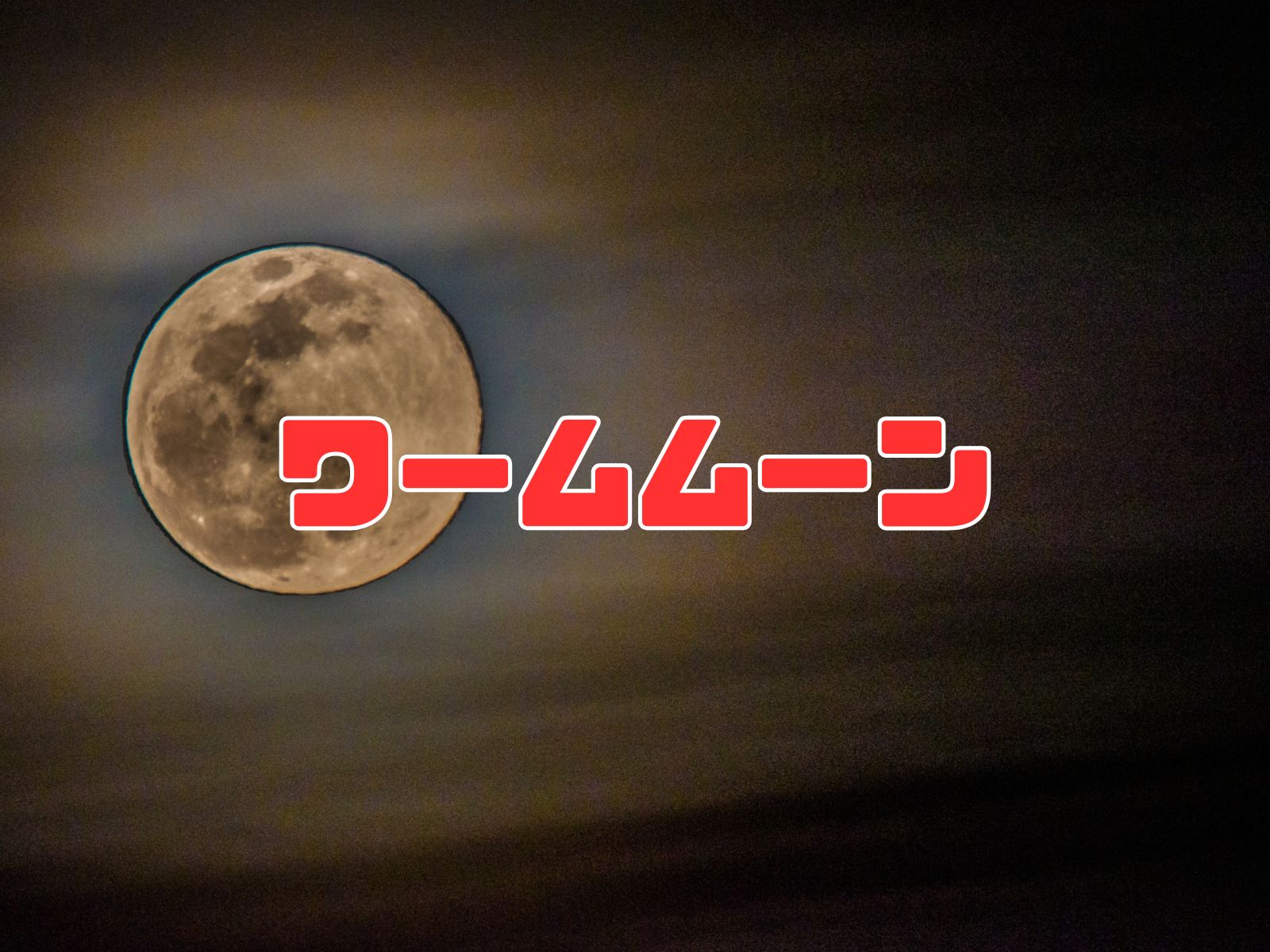
The "Worm Moon" (ワームムーン) is the traditional name applied to the full moon observed during the month of March.
In seasonal astronomical folklore, each month's full moon is assigned a unique name, and the Worm Moon stands as a glowing symbol of early spring's arrival.
Etymological Origins
The name "Worm Moon" originates from the seasonal calendars of Native American tribes in North America. Living in close alignment with the natural order, they tracked seasons through seasonal phenomena. As the cold winter winds softened in March and ground temperatures began rising, earthworms and beetle larvae (worms) emerged from the thawing soil. Branded literally as the "moon of worms," it serves as a poetic, natural harbinger celebrating the official arrival of spring.
Another widely supported theory notes that as the winter snows melted and earthworms emerged, migratory birds began returning and active hunting on the softened ground. Observing this sudden resurgence of avian life, indigenous peoples named March's full moon the "Worm Moon" to mark the awakening of local ecosystems.
Other Traditional Designations
Depending on the specific tribal region, the March full moon was known by several other natural indicators:
- Crow Moon (カラス月): Named because the loud cawing of returning crows served as a welcome sign of winter's end.
- Crust Moon (地殻月): Representing the seasonal state where snow thaws during the day and freezes into a hard crust at night.
- Sap Moon (樹液月): Marking the exact seasonal window when maple tree sap began flowing, signaling the start of maple syrup harvests.
Core Characteristics of the Worm Moon
- Harbinger of Spring: The Worm Moon is globally celebrated as a celestial symbol marking the transition from deep winter sleep to active spring renewal.
- Awakening of Life: It perfectly coincides with the sudden emergence of insects, the return of migratory birds, and the revitalization of sleeping flora.
Indigenous Cultural Significance
The cultural framework of the Worm Moon is rooted in Native American traditions. Living in close harmony with the earth, these tribes relied on the lunar cycles as a calendar to govern agricultural schedules, hunting trips, and communal celebrations.
- Spring Arrival and Ecosystem Shifts:
March marks the thawing of winter ice and the arrival of early spring. The ground softens, driving earthworms and larvae out of the soil and prompting birds to hunt actively, prompting the beautiful name "Worm Moon." - Tribal Variations:
Different tribes maintained unique dialects and vocabularies. Some referred to the March full moon through alternative natural indicators, such as the "Crow Moon" or "Crust Moon." - Agricultural Indicators:
For agricultural tribes, the Worm Moon served as a reliable visual clock. It signaled that the soil was finally soft enough to till, indicating the start of the spring planting season.
Spiritual and Metaphysical Meanings
In modern astrology and wellness circles, the Worm Moon is believed to hold deep, unique metaphysical energies:
- Rebirth and Growth:
Just as nature awakens from winter hibernation, the Worm Moon represents the energy of rebirth, personal growth, and fresh beginnings. - Deep Inner Clarity and Vision:
As the winter's quiet energy transitions outward, it is the perfect timing to reflect on goals, set clear intentions, and embrace new directions. - Release and Renewal:
It provides the necessary spiritual energy to let go of old, stagnant habits and welcome a fresh, vibrant version of yourself.
Tips for Optimal Observation
- Perfect Timing:
Observe on the exact date of March's full moon. Keep an eye on local astronomical calendars for precise dates. - Time Frame:
The full moon remains visible from sunset to sunrise. Checking the exact moonrise time and altitude in advance helps in planning your stargazing. - Ideal Locations:
Seek open, elevated areas away from tall city buildings and urban light pollution. - Weather Conditions:
Monitor local weather forecasts closely to ensure a clear, cloudless sky.
Worm Moon Calendar: Dates from 2024 to 2030 (JST)
Below are the precise times when the Moon reaches its peak full phase in Japan Standard Time (JST):
- 2024: March 25 (Mon) at 4:00 PM
- 2025: March 15 (Sat) at 1:51 AM
- 2026: March 5 (Thu) at 2:05 PM
- 2027: March 24 (Wed) at 9:54 PM
- 2028: March 13 (Mon) at 5:11 PM
- 2029: March 2 (Fri) at 5:58 AM
- 2030: March 22 (Fri) at 0:22 AM
*(Note: The moon will appear beautifully large and round on the nights immediately preceding and following these exact peak times.)*
Traditional Full Moon Names by Month
- January: Wolf Moon (ウルフムーン)
- February: Snow Moon (スノームーン)
- March: Worm Moon (ワームムーン)
- April: Pink Moon (ピンクムーン)
- May: Flower Moon (フラワームーン)
- June: Strawberry Moon (ストロベリームーン)
- July: Buck Moon (バックムーン)
- August: Sturgeon Moon (スタージョンムーン)
- September: Harvest Moon (ハーベストムーン)
- October: Hunter’s Moon (ハンターズムーン)
- November: Beaver Moon (ビーバームーン)
- December: Cold Moon (コールドムーン)
By exploring its Native American heritage and spiritual associations with growth and rebirth, looking up at the March sky becomes a far more meaningful experience.
I hope this astronomical guide inspires you to enjoy the next Worm Moon with absolute wonder!
About "Worm Moon (ワームムーン - Worm Moon: March full moon origin, cultural Native American history, and observation guide from 2024 to 2030)"
This page provides the English definition and usage guide for the professional term "Worm Moon (ワームムーン - Worm Moon: March full moon origin, cultural Native American history, and observation guide from 2024 to 2030)." If you have any suggestions, feedback, or corrections regarding our terminology articles, please feel free to reach out via our contact form.