Buck Moon (バックムーン - Buck Moon: The July full moon, Native American etymology, and spiritual meanings of growth and renewal)
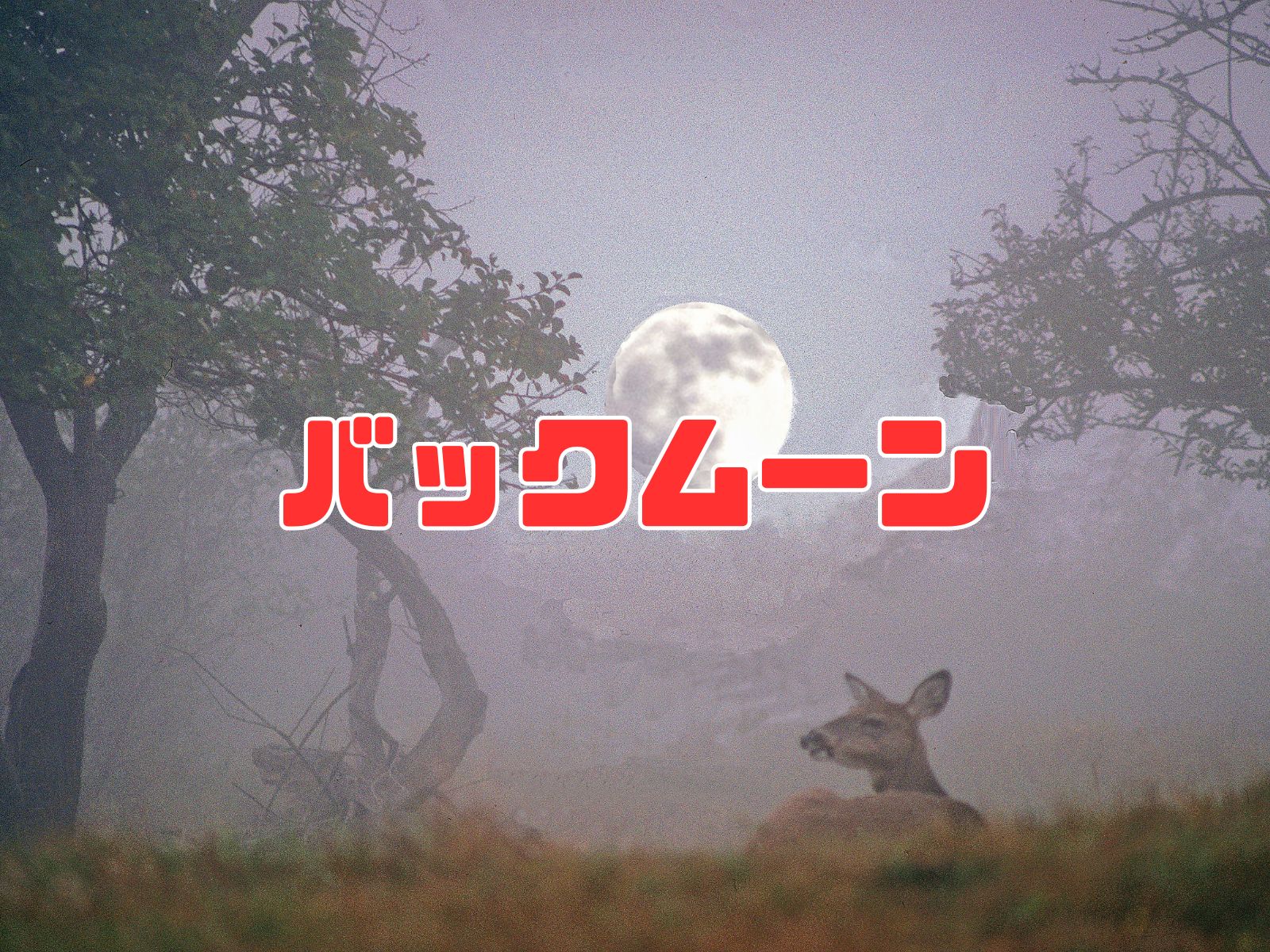
The "Buck Moon" (バックムーン) is the traditional name applied to the full moon observed during the month of July.
In astronomical folklore, each month's full moon is given a distinct name, with the Buck Moon representing mid-summer's peak.
Etymological Origins
The name "Buck Moon" originates from the cultural traditions of Native American tribes of North America. "Buck" refers specifically to a male deer. July is the season when the young, velvety antlers of male deer undergo a rapid growth phase, growing larger and stronger. Because of this natural phenomenon, the July full moon was named to reflect the local ecology.
This shedding and regrowth of antlers serves as a powerful symbol of continuous growth, power, and organic renewal.
Alternative Designations
While "Buck Moon" is the most globally recognized term, different cultural regions occasionally refer to it by other names, reflecting local ecological and agricultural schedules.
Core Characteristics
- The Height of Summer
The Buck Moon represents the deep summer season, shining brightly during warm, clear mid-year nights. - Symbol of Growth and Regeneration
Aligning with the rapid growth of deer antlers, it represents personal progress, rebuilding, and vital energy. - Agricultural Indicators
In indigenous cultures, it served as a vital indicator for tracking crop growth and preparing summer harvests.
Spiritual Nuances
In modern astrology and wellness circles, the Buck Moon is believed to hold deep spiritual energy:
- Personal Expansion
Inspired by the deer's new antlers, it is seen as a powerful catalyst for personal growth, positive transformation, and adapting to changes. - Inner Strength and Confidence
The proud, strong image of the buck inspires courage, self-assurance, and bold decision-making. - Goal Accomplishment
Encourages individuals to push toward their targets with refreshed focus and determination, much like a new set of majestic antlers.
Tips for Optimal Observation
- Perfect Timing
Aim for the exact night of July's full moon. Keep an eye on local astronomical calendars for precise dates. - Time Frame
The full moon remains visible from sunset to sunrise. It is highly recommended to check local moonrise times. Because the summer solstice has passed, the moon's overall trajectory in the night sky remains relatively low compared to winter's high-altitude moons. - Ideal Locations
Seek open, elevated spaces away from tall city buildings, streetlights, and urban light pollution. - Weather Conditions
Keep close track of local weather forecasts. While summer skies are often clear, watch out for sudden evening thunderstorms.
Creative Ways to Enjoy the Buck Moon
- Summer Constellation Stargazing
Combine your moon viewing with active stargazing, identifying famous summer constellations and the beautiful Milky Way. - Curating Themed Playlists
Listen to soothing acoustic or ambient music that evokes themes of nature and renewal to enhance the celestial atmosphere. - Mindful Moon Meditation
Close your eyes in a quiet space and meditate under the moonlight to promote deep physical relaxation and mental clarity, focusing on themes of personal growth.
Indigenous Cultural Significance
The cultural framework of the Buck Moon is rooted in Native American traditions. Living in close harmony with the earth, these tribes relied on the lunar cycles as a calendar to govern agricultural schedules, hunting trips, and communal celebrations.
- Seasonal Trackers
The moon served as a reliable visual clock. The Buck Moon signaled the arrival of peak warm weather and ecological shifts. - Reverence for Nature
Indigenous cultures honored the natural order, treating the Buck Moon as a seasonal opportunity to express gratitude for summer's bounty. - Tribal Variations
Different tribes maintained unique dialects and vocabularies. Some referred to the July full moon through alternative natural indicators, such as the "Thunder Moon" or "Hay Moon."
Buck Moon Calendar (2024–2030 JST)
Below are the precise times when the moon reaches its absolute fullest in Japan Standard Time (JST):
- 2024: July 21 (Sun) at 7:17 AM
- 2025: July 10 (Thu) at 10:54 PM
- 2026: July 30 (Thu) at 2:05 PM
- 2027: July 19 (Mon) at 5:33 PM
- 2028: July 7 (Fri) at 8:27 AM
- 2029: July 27 (Fri) at 1:56 AM
- 2030: July 16 (Tue) at 4:41 PM
Please note that these represent the exact astronomical peak; the moon will appear beautifully full to the naked eye for a few nights surrounding these dates.
Traditional Full Moon Names by Month
- January: Wolf Moon (狼月)
- February: Snow Moon (雪月)
- March: Worm Moon (芋虫月)
- April: Pink Moon (ピンク月)
- May: Flower Moon (花月)
- June: Strawberry Moon (いちご月)
- July: Buck Moon (雄鹿月)
- August: Sturgeon Moon (チョウザメ月)
- September: Harvest Moon (収穫月)
- October: Hunter’s Moon (狩猟月)
- November: Beaver Moon (ビーバー月)
- December: Cold Moon (寒月)
By exploring its indigenous cultural heritage and ecological origins, looking up at the July sky becomes a far more meaningful experience.
I hope this astronomical guide inspires you to enjoy the next Buck Moon with absolute wonder!
About "Buck Moon (バックムーン - Buck Moon: The July full moon, Native American etymology, and spiritual meanings of growth and renewal)"
This page provides the English definition and usage guide for the professional term "Buck Moon (バックムーン - Buck Moon: The July full moon, Native American etymology, and spiritual meanings of growth and renewal)." If you have any suggestions, feedback, or corrections regarding our terminology articles, please feel free to reach out via our contact form.